- Email: [email protected]


Polyester wipes are widely used across industrial, manufacturing, and controlled environments, yet they are often misunderstood. Many people assume all wipes behave the same, but polyester-based wipes are designed with a very specific purpose in mind. This article explains what polyester wipes are good for, where they perform well, where they fall short, and why they remain a practical choice in many professional settings.
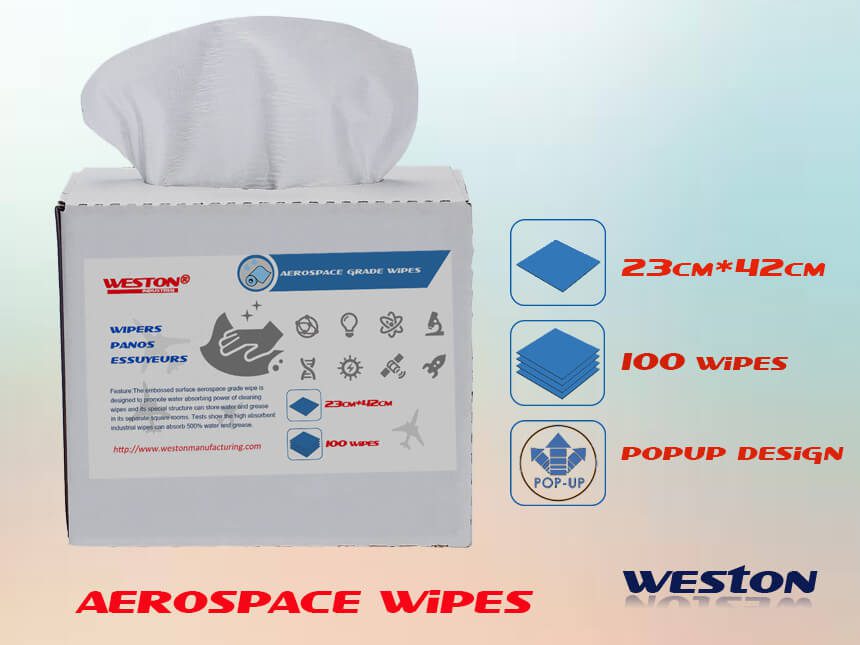
Polyester wipes are produced from synthetic polyester fibers, usually formed into a nonwoven structure. Unlike paper or cotton wipes, the fibers are continuous and engineered for consistency. This means the material behaves the same way from one wipe to the next.
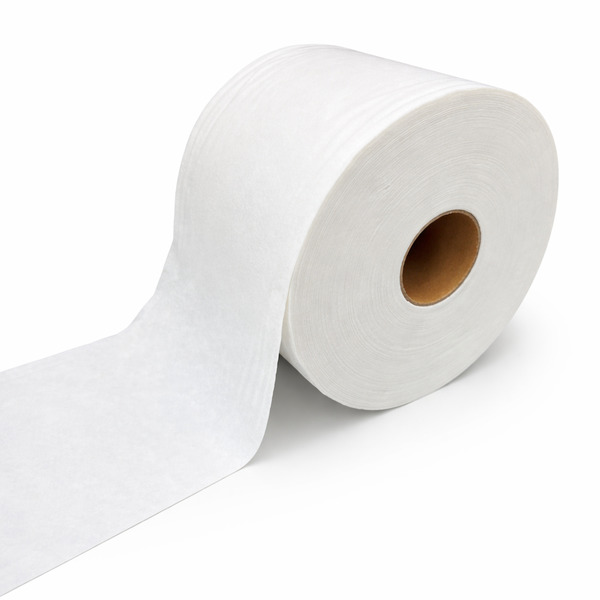
In some professional-grade products, polyester is combined with other fibers to improve specific properties. For example, Wood Pulp Polyester Spunlace Cleanroom Wipes combine polyester strength with wood pulp’s surface absorbency, creating a more balanced wiping material for controlled environments.
Polyester fibers do not absorb liquids into the fiber itself. Instead, liquids remain on the surface or move between fibers. This characteristic gives polyester wipes a high level of control during wiping.
Because the fibers do not swell when wet, the wipe keeps its shape and strength. This makes polyester suitable for tasks that involve repeated wiping, friction, or the use of cleaning agents and solvents.
Polyester wipes are not general-purpose household wipes. They are used where durability, consistency, and low lint are more important than softness.
Polyester wipes are commonly used to remove oils, lubricants, and grease from machinery and tools. Paper wipes often tear in these situations, especially when saturated with oil. Polyester wipes hold together, even under pressure.
In cleanrooms, loose fibers can contaminate sensitive processes. Polyester wipes release fewer particles compared to cotton or paper. Products such as Wood Pulp Polyester Spunlace Cleanroom Wipes are often selected when both cleanliness and moderate absorbency are required.
Screens, panels, and electronic parts require wiping materials that leave minimal residue. Polyester wipes help reduce lint and fiber transfer, making them suitable for assembly lines and maintenance work.
Polyester wipes can withstand repeated use. They resist tearing and fraying, which allows them to be reused in professional cleaning systems where disposability is not the priority.
One of the most important reasons polyester wipes are chosen is mechanical strength. Even at lower weights, polyester maintains high tensile strength.
This durability leads to predictable performance. Workers do not need to change wipes frequently due to breakage, which improves efficiency in industrial settings.
Lint control is a critical factor in many industries. Polyester fibers are smooth and continuous, reducing the number of loose fibers released during wiping.
This helps protect sensitive surfaces such as coated metals, glass panels, and electronic components. In clean production environments, this property alone can justify the use of polyester wipes.
Polyester wipes are not suitable for every task, and understanding their limitations is essential.
Polyester does not absorb large volumes of liquid. For spills involving water or other low-viscosity liquids, paper or high-pulp wipes perform better.
Polyester wipes are functional, not gentle. They are not intended for personal care, baby care, or cosmetic use. The fiber structure prioritizes strength over softness.
Polyester is not biodegradable. In applications where environmental impact is a primary concern, alternative materials or blended structures may be preferred.
Understanding how polyester compares with common alternatives helps clarify its role.
Paper wipes absorb quickly but lose strength when wet. Polyester wipes absorb less but remain intact. The choice depends on whether absorption or durability is more important.
Cotton feels softer and absorbs better, but it sheds fibers and degrades faster. Polyester offers cleaner wiping with less residue.
Blended wipes, such as Wood Pulp Polyester Spunlace Cleanroom Wipes, aim to balance absorbency and strength. These are often chosen when pure polyester is too dry and pure pulp is too weak.
Factories value consistency. Polyester wipes can be produced with stable weight, size, and performance across large batches. This predictability supports standardized cleaning procedures.
They are also compatible with a wide range of chemicals, which makes them suitable for industrial cleaning protocols.
Polyester wipes are selected based on function, not appearance. They are tools used to solve specific cleaning problems.
When the task requires durability, low lint, and repeatable performance, polyester wipes are a logical choice. When high absorbency or softness is required, other materials are more appropriate.
Polyester wipes are not designed to replace all other wiping materials. They exist because certain environments demand strength, cleanliness, and control.
In professional settings, including cleanrooms and industrial maintenance, materials like Wood Pulp Polyester Spunlace Cleanroom Wipes are quietly used every day because they perform reliably, not because they promise more than they deliver.
Understanding what polyester wipes do well—and what they do not—leads to better material choices, cleaner processes, and fewer surprises on the production floor.
WESTON
Privacy Policy | SiteMap
Copyright WESTON