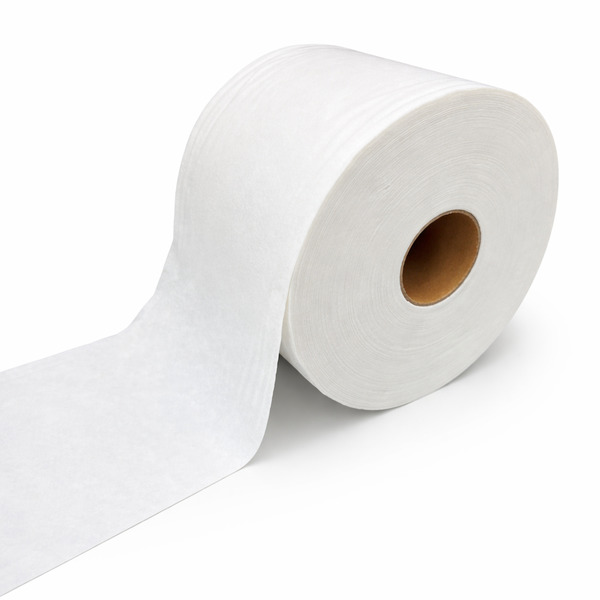
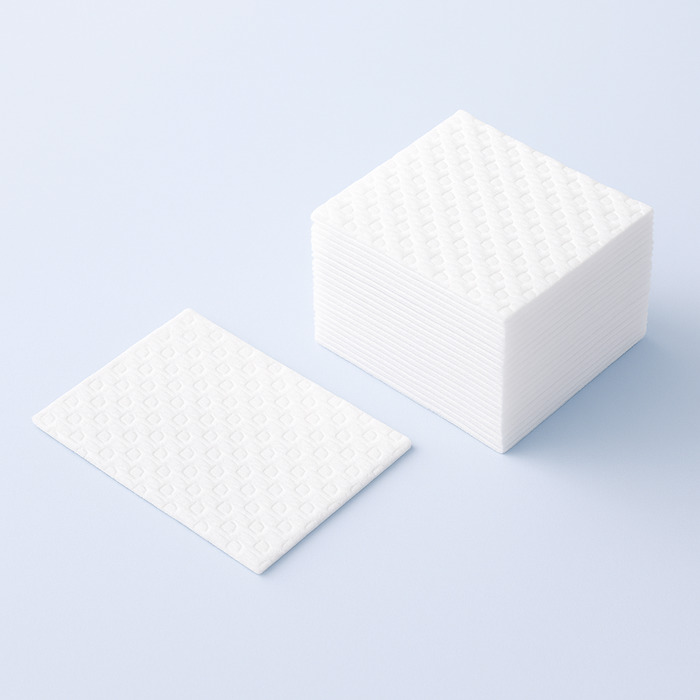
Probe wipes are specialized, low-residue cleaning and surface-conditioning media designed for sensor probes and contact-based transducers in medical, laboratory, environmental, and industrial settings. Their primary purpose is to restore a predictable, repeatable surface state without damaging sensitive layers or altering metrological performance. Unlike general-purpose wipes, probe wipes control ion background, particle shedding, wetting behavior, electrostatic discharge (ESD), and microbial load—factors directly tied to signal fidelity and safety.
Why Probe Surfaces Get Dirty and Why It Matters
Chemical fouling: lipids, plasticizers, oils, proteins, and polysaccharides create hydrophobic films that dampen sensitivity.
Ionic and inorganic residues: hard-water salts, metal ions, and buffer carryover shift baselines and zero points, especially for electrochemical probes.
Particulate contamination: dust and microfibers introduce scattering (optical), micro-bridging (electrical), and abrasion risk.
Biofilms: extracellular polymeric substances form highly adherent networks that resist simple wiping.
Consequences include zero/span drift, slower response due to thicker diffusion boundary layers, and elevated noise floors. Proper probe wipes address each contaminant class through targeted chemistry and controlled mechanics.
How Probe Wipes Work: Coupled Chemistry and Mechanics
Solvation and swelling: solvent polarity and Hansen-solubility matching remove organic films without attacking probe encapsulants or windows.
Micellar transport: nonionic or zwitterionic surfactants lift hydrophobic soils near the critical micelle concentration to limit residues and foaming.
Chelation and ion exchange: ligands capture metal ions and break down scale while preserving protective oxides.
ESD and wetting control: antistatic agents tune surface resistivity; balanced volatility prevents condensation, streaking, or cold spots.
Mechanical shear optimization: low-lint microfiber architectures increase tangential force while minimizing redeposition; textured embossing distributes pressure and traps debris.
Chemical interference: surfactant or buffer carryover can skew contact-angle, ion-selective, or optical measurements.
Sustainability and Safety Considerations
Formulation profile: assess VOCs, biodegradability, aquatic toxicity, and nonvolatile residue.
Substrate lifecycle: balance performance of synthetic microfibers with shedding control and responsible sourcing; optimize packaging mass and recyclability.
Use optimization: right-size wipe dimensions and liquid load to minimize waste while ensuring efficacy.
Integration in Real-World Workflows
Facilities often integrate probe wipes with broader surface hygiene to simplify training and inventory. The metrology rule remains: probe-specific interfaces require low-residue, compatibility-validated wipes. Disinfecting solutions for surrounding surfaces should be confirmed to leave negligible nonvolatile residue and to maintain optical or electrochemical behavior. For facility trials and SOP development, free sample requests can be sent to [email protected].
Factory Practice and Support
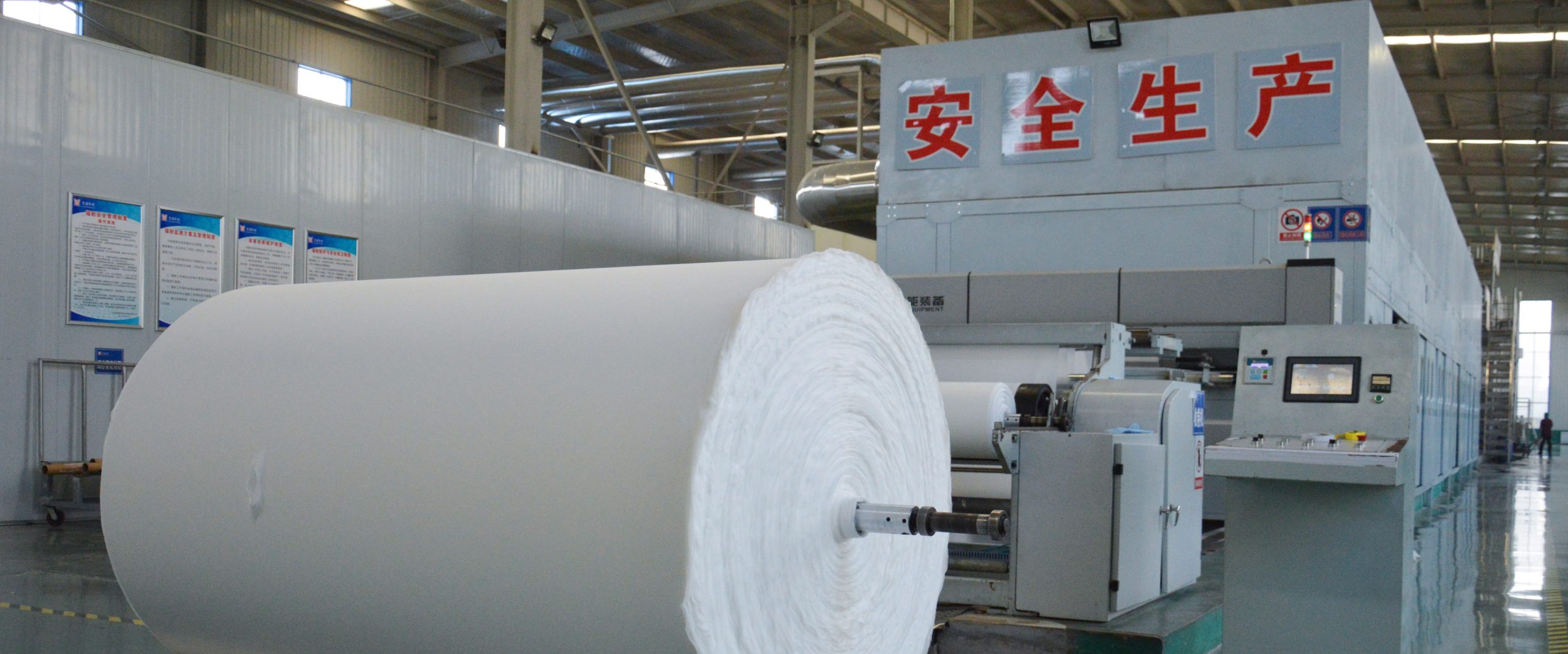
Weston Manufacturing emphasizes controlled cleanliness in production, batch consistency, and low-extractable profiles suitable for sensitive instrumentation. Application support includes probe-specific SOPs, compatibility matrices, and verification protocols. Where surrounding-surface hygiene is also required, product lines such as Disinfectant Wet Wipes, supply-ready Bucket Disinfectant Wipes In Stock, lab-oriented Non Toxic Disinfectant Wipes For Laboratories, and eco-minded Green Surface Disinfectant Wipes can be evaluated alongside probe-dedicated wipes. For inquiries or free samples, contact [email protected].