- Email: [email protected]


We use wipes every day—after meals, during travel, in hospitals, and in baby care. But few people ever ask: what exactly makes a wipe soft, strong, and safe for skin?
Behind that quiet efficiency lies a material science story: spunlace nonwoven fabric. This isn’t just another disposable textile—it’s a technology-driven innovation that reshaped how we think about hygiene, convenience, and sustainability.
In this article, we’ll uncover what spunlace really is, how it’s made, and why it’s becoming the go-to choice for the world’s most trusted wipe brands.
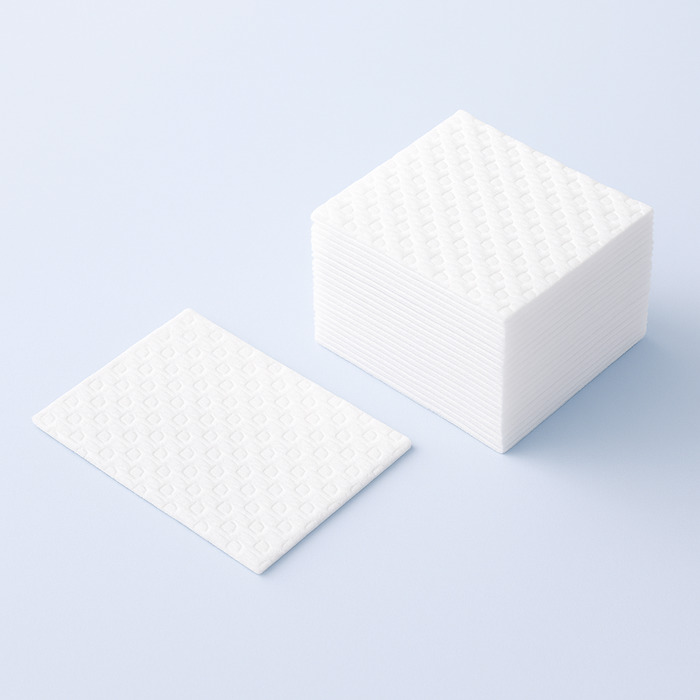
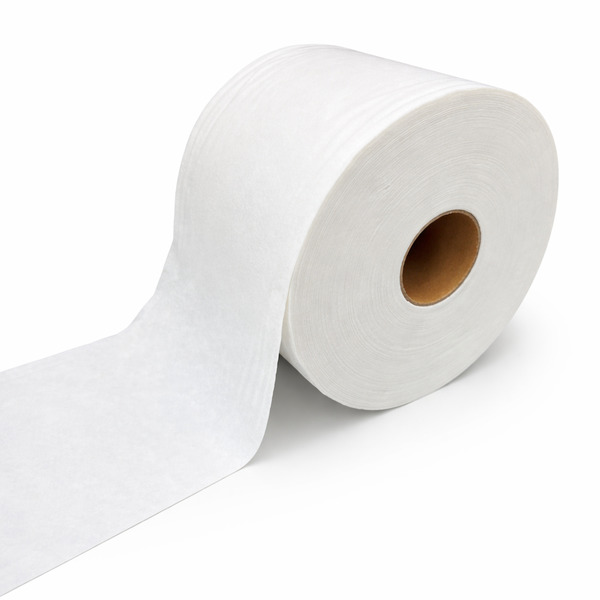
Spunlace, also known as hydroentangled nonwoven, is a fabric created by using high-pressure jets of water to interlock fibers. This process forms a soft, durable, and lint-free material—without any chemical binders or adhesives.
Key characteristics include:
Silky softness comparable to cotton or woven fabric
Excellent absorbency and texture control
Purely mechanical bonding—no glue, no heat, no compromise
Safe and gentle for skin contact
Because of its balance between comfort and strength, spunlace fabric is widely used in:
Baby wipes and facial wipes
Medical dressings and sanitary materials
Household cleaning wipes and industrial cloths
Creating spunlace fabric is an elegant mix of precision and physics:
Fiber Selection: The base fibers—such as viscose, polyester, cotton, lyocell, or wood pulp—are carefully chosen depending on the desired texture and performance.
Web Formation: Fibers are carded or air-laid into a thin, even web.
Hydroentanglement: Ultra-fine jets of water hit the web, forcing fibers to twist and interlock. No chemicals are used—just the clean power of water.
Drying & Finishing: The fabric is dried, treated, and rolled for cutting or converting into finished wipes.
You can imagine thousands of tiny water whips “knitting” the fibers together at a microscopic level—creating a smooth, strong, breathable fabric with natural integrity.
Spunlace wipes outperform many other types of nonwoven materials because they bring together the best of multiple worlds:
Soft yet durable: They feel premium yet don’t tear easily.
Chemical-free bonding: Perfect for sensitive skin and cosmetic use.
Customizable properties: GSM (gram weight), thickness, and absorbency can be adjusted for specific needs.
Eco-friendly potential: Works beautifully with biodegradable fibers like cotton, bamboo, lyocell, and wood pulp.
It’s no surprise that leading hygiene and skincare brands rely on spunlace to meet growing consumer expectations for comfort and sustainability.

To truly appreciate spunlace, it helps to compare it with other common nonwoven types:
| Type of Nonwoven Fabric | Bonding Method | Texture & Feel | Absorbency | Common Uses | Key Difference |
| Spunlace (Hydroentangled) | Water jets mechanically entangle fibers | Soft, cloth-like | High | Wipes, medical, beauty | No chemicals, natural feel |
| Spunbond | Heat and extrusion bonding | Smooth, slightly stiff | Medium | Masks, packaging, filters | More structural, less soft |
| Airlaid | Air-laid web + binders | Soft but bulky | Very high | Tissues, napkins | Contains binders, heavier |
| Meltblown | Melted polymer fibers blown and cooled | Very fine, paper-like | Low | Filtration, masks | Designed for filtration, not touch |
In short: spunlace is the go-to for softness and natural skin contact, while others serve more technical or structural roles.
As global awareness of plastic waste grows, spunlace technology is leading the shift toward eco-responsible wipes. By using biodegradable fibers like lyocell, wood pulp, and cotton, manufacturers can create wipes that feel luxurious yet decompose naturally.
Forward-thinking factories, such as Weston Manufacturing, now offer low-energy hydroentanglement lines and hybrid fiber combinations that balance performance, sustainability, and cost-efficiency—paving the way for a cleaner, greener hygiene industry.
For consumers:
Look for labels that mention “100% viscose,” “biodegradable,” or “plastic-free spunlace.”
The softer and thicker it feels, the higher the GSM (gram per square meter).
For business buyers:
Match fabric weight and composition to the product purpose: e.g., 35–45 GSM for facial wipes, 60–80 GSM for industrial cleaning.
Ask your supplier about fiber origin, eco-certifications, and customization options.
Consider custom blending—like polyester/viscose 70/30—for optimized softness and durability.
Spunlace wipes represent more than just convenience—they embody progress in material science, health safety, and environmental responsibility.
The next time you touch a wipe that feels effortlessly smooth yet strong, remember: that’s hydroentanglement engineering at work.
And if you’re seeking a trusted manufacturing partner to explore spunlace materials further, Weston Manufacturing offers tailored solutions for various applications—
including Black Viscose Polyester Spunlace Nonwoven Material, Wood Pulp Lyocell Spunlace Nonwoven Fabric, and Hypoallergenic Cotton Nonwoven Tissue Material.
We provide free samples, custom GSM, color, width, and texture options, and full OEM/ODM support.
📩 For inquiries, contact us at [email protected]
In a world that demands both performance and responsibility, spunlace stands as the fabric that feels good—and does good.
WESTON
Privacy Policy | SiteMap
Copyright WESTON