- Email: [email protected]


Korean skincare is known for being thoughtful and methodical. Many routines focus on gentle cleansing, light hydration, and consistent daily care rather than aggressive treatments. In this system, cotton pads are not just small disposable tools. They are part of how skincare products are applied, controlled, and distributed across the skin.
If you look closely at what Korean consumers actually use, you will notice that the cotton pads themselves are designed differently from those commonly sold in many Western markets. They are often thinner, softer, and engineered for toner application rather than heavy makeup removal.
Understanding the types of cotton pads used in Korea helps explain how these skincare routines work in practice.

In many Korean routines, toner is not simply poured into the hands. Instead, it is frequently applied with a cotton pad. This approach has several practical benefits.
Controlled product distribution
A cotton pad spreads toner evenly across the face. This helps prevent over-pouring and allows users to apply lighter layers of skincare products.
Gentle surface cleansing
After washing the face, a cotton pad can remove any remaining cleanser residue or impurities that were left behind.
Lower skin friction
Soft pads allow toner to glide across the skin without pulling or scratching.
Better hygiene
Using a fresh pad each time avoids direct hand contact with skincare liquids.
Because of these reasons, cotton pads are often treated as a functional part of the skincare routine rather than a simple accessory.
Although there is no single universal product, several cotton pad styles are widely used in Korean skincare routines.
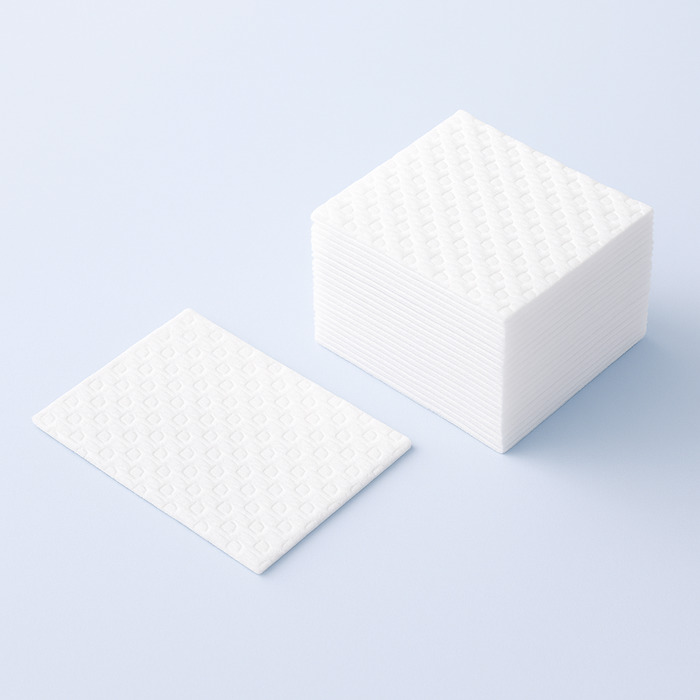
Thin pads are extremely popular in Korea. They are designed to hold just enough toner while minimizing product waste.
Typical characteristics include:
Because the pads are thin, toner spreads quickly across the skin instead of soaking deeply into thick cotton fibers.
Many skincare brands design their toner products with these pads in mind.
Another common style is the layered cotton pad, which can be separated into several thin sheets.
This design supports a technique often called the toner pack method. Users split the pad into layers, soak them with toner, and place them on areas that need extra hydration.
Typical areas include:
The method is simple, inexpensive, and widely used in Korean skincare culture.
Some pads include a lightly textured surface.
These pads are designed for mild exfoliation and light cleansing. When used with toner, the textured side can help remove leftover oil, sunscreen, or skincare residue.
The goal is not aggressive exfoliation. Instead, the texture provides a gentle polishing effect that supports smoother skin texture.
Dual-sided designs combine two functions in one pad.
A typical structure includes:
One embossed side for light cleansing
One smooth side for toner application
This design is useful for routines that include both wiping and hydrating steps.

The material used to produce cotton pads has a significant influence on comfort, durability, and liquid absorption.
Korean consumers often pay attention to several material characteristics.
Soft texture that does not irritate sensitive skin
Low lint production
Even liquid absorption
Structural stability when wet
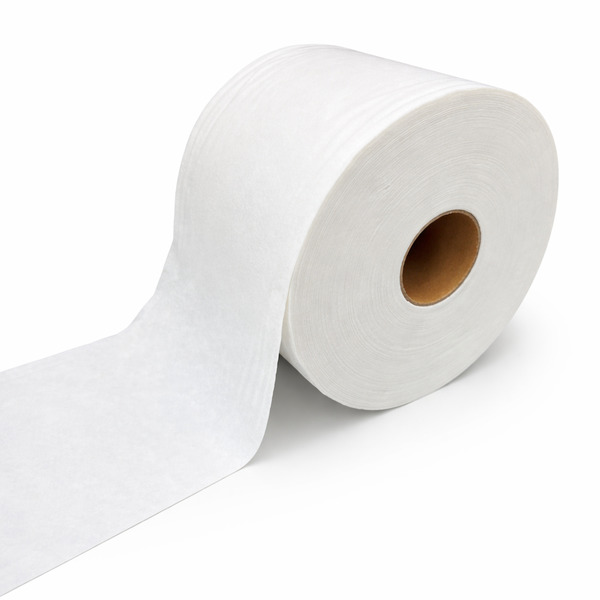
Many modern cosmetic pads are made using nonwoven technologies, which allow manufacturers to control fiber structure and pad thickness more precisely.
For example, 100% Cotton Nonwoven Facial Pads provide a natural fiber feel while maintaining a stable structure during use.
Nonwoven manufacturing methods such as hydroentanglement (spunlace) help lock fibers together using high-pressure water jets rather than chemical binders. This approach improves softness while reducing fiber shedding.
In recent years, pre-soaked toner pads have become very popular in Korea.
These products are typically stored in wide containers filled with essence or toner. Users simply take out a pad and apply it directly to the skin.
Common uses include:
Quick morning skincare
Light exfoliation
Short hydration masks
Some people also place several pads on the face for a few minutes as a mini mask.
The format saves time and makes daily skincare more convenient.
Cotton pads are used in several practical ways during everyday skincare routines.
After cleansing, toner is applied to a cotton pad and lightly swept across the face. This removes remaining residue and prepares the skin for the next skincare steps.
Some users apply multiple thin layers of toner. A cotton pad helps distribute each layer evenly without using too much liquid.
A pad is soaked with toner and placed on dry areas for several minutes. This method delivers short-term hydration without using a sheet mask.
At first glance, cotton pads appear simple. However, their design affects how skincare products perform.
Key structural factors include:
If a pad sheds fibers or absorbs too much product, it reduces efficiency and may irritate the skin.
For this reason, many cosmetic brands pay close attention to the substrate used for their pads.
Some manufacturers specialize in producing high-quality nonwoven cosmetic materials. For example, Weston Manufacturing develops spunlace fabrics that can be converted into 100% Cotton Nonwoven Facial Pads or blended cosmetic pads with controlled softness and absorbency.
Because production technology allows flexibility, Weston Manufacturing can provide facial pads made from different materials and in different fabric weights, supporting brands that require customized cleansing or makeup-removal pads.
In short, Korean consumers tend to choose cotton pads that are simple, gentle, and efficient—tools that quietly support the skincare routine rather than dominate it.
WESTON
Privacy Policy | SiteMap
Copyright WESTON