- Email: [email protected]


Facial wipes are designed to remove what sits on top of your skin: makeup, sunscreen, excess oil, sweat, and city grime from the day. They rely on a mix of soft fibers and a cleansing solution to lift away this surface buildup when you wipe. Unlike a traditional wash with water and cleanser, there is no real “rinse” step, so the focus is on quick removal, not a deep, pore-level clean.
Many modern wipes use micellar technology, which means the cleansing liquid contains tiny molecules that act like magnets for oil and dirt. These micelles surround and trap impurities so they can be wiped away more easily and with less rubbing. That is why a good wipe can remove a full face of makeup without feeling harsh on the skin.
The key point: facial wipes are a shortcut for surface cleaning, not a replacement for a proper cleanser and water.
Facial wipes make the most sense in real-life situations where you need practicality more than perfection:
Removing makeup before a full cleanse at night
Wiping away sweat and oil after a workout when there’s no sink around
Freshening up during travel, long flights, or late workdays
Taking off sunscreen before you get the chance to properly wash
Used this way, wipes act as a helpful first step instead of the only step. Many people now use them as part of a “double cleanse”: first, a wipe to remove makeup or sunscreen; second, a gentle water-based cleanser to clean the skin more thoroughly. This approach balances convenience with real skin health.
Here is the honest truth many brands skip: facial wipes cannot completely replace washing your face. Because there is no rinse, some residue from makeup, sunscreen, and even the wipe’s own ingredients can stay on your skin. Over time, using wipes alone may lead to build-up, dryness, or clogged pores.
Wipes also struggle with very heavy or long-wear makeup, especially around the eyes, unless you are willing to use more than one pad and work slowly. Rubbing hard to “make them work” only irritates the skin and can speed up fine lines, especially in the eye area.
Think of facial wipes as a useful tool, not a magic eraser. They solve specific problems—time, access to water, convenience—but they are not a full skincare routine in themselves.
Most facial wipes are a combination of:
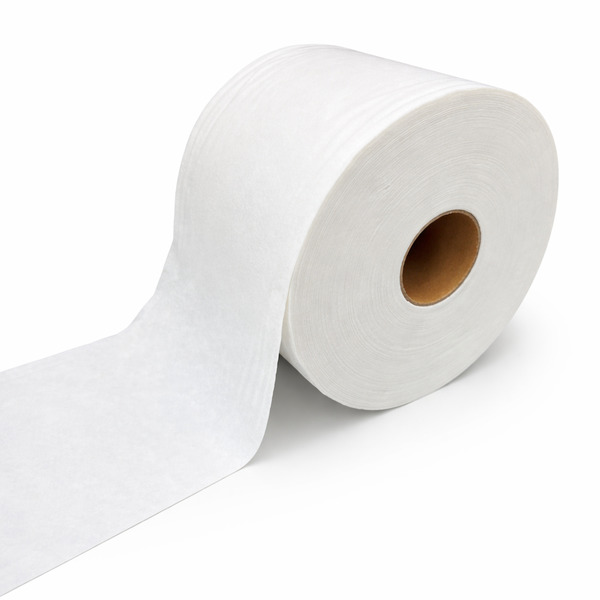
A nonwoven fabric base (the pad itself)
Water and humectants (like glycerin) to keep the skin from feeling stripped
Surfactants and/or micellar ingredients to dissolve oils and makeup
Preservatives so the product stays safe over time
Optional soothing extracts like aloe, chamomile, cucumber, or green tea
If you have sensitive or reactive skin, this ingredient list matters. Fragrance, certain preservatives, and some botanical extracts can trigger irritation for some people. That is why fragrance-free, dermatologist-tested wipes are often safer for daily or frequent use, especially around the eyes.
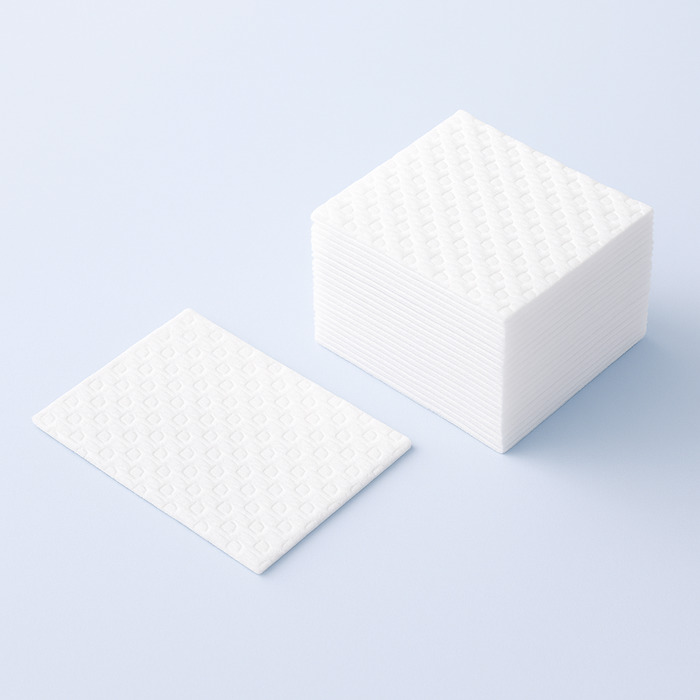
This is also where the quality of the base material makes a difference. Softer, skin-friendly fibers and patterns—like Customizable Bamboo Charcoal Makeup Remover Material or Pearl Embossed Makeup Remover Pads—can help remove more makeup with less rubbing, which is exactly what delicate skin needs.
Not all wipes are built the same, and that’s a good thing. You can choose more wisely if you know what you’re looking at.
Look for wipes with gentle exfoliating or oil-controlling ingredients like salicylic acid or niacinamide (in moderation). The goal is to clear away excess oil without scratching or drying out the skin.
Choose fragrance-free, alcohol-free formulas, ideally with hydrating ingredients like glycerin, hyaluronic acid, and soothing plant extracts. Here, the softness of the pad and the gentleness of the formula matter even more.
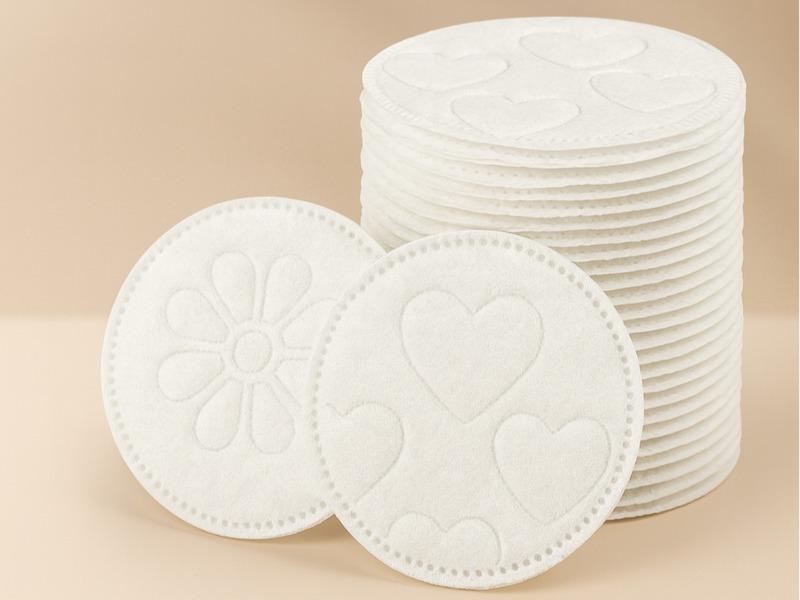
Opt for wipes labeled for “makeup removal” or “waterproof makeup,” and pair them with a second cleansing step. Using high-performance pads such as Facial Cleansing Cotton Pads or Pearl Embossed Makeup Remover Pads helps grip makeup particles more efficiently.
The takeaway: match the wipe to your skin type and your actual lifestyle, not just to a pretty package.
Technique is where a “just okay” wipe routine becomes a smart one.
Start with the areas that carry the most product: eyes and lips. Press the wipe gently on the area for a few seconds to let the liquid dissolve makeup, then wipe softly. Avoid hard rubbing.
Move to the rest of the face: forehead, cheeks, nose, and chin. Use broad, light strokes. Fold and refold the wipe so you are always using a clean section.
Check for residue: if your wipe is still coming away very dirty, it might be worth using a second one, especially after heavy makeup.
Follow with a cleanser when possible: a quick wash with a gentle water-based cleanser helps remove anything left behind and supports long-term skin health.
Finish with skincare: toner (if you use one), serum, and moisturizer to restore hydration and support your skin barrier.
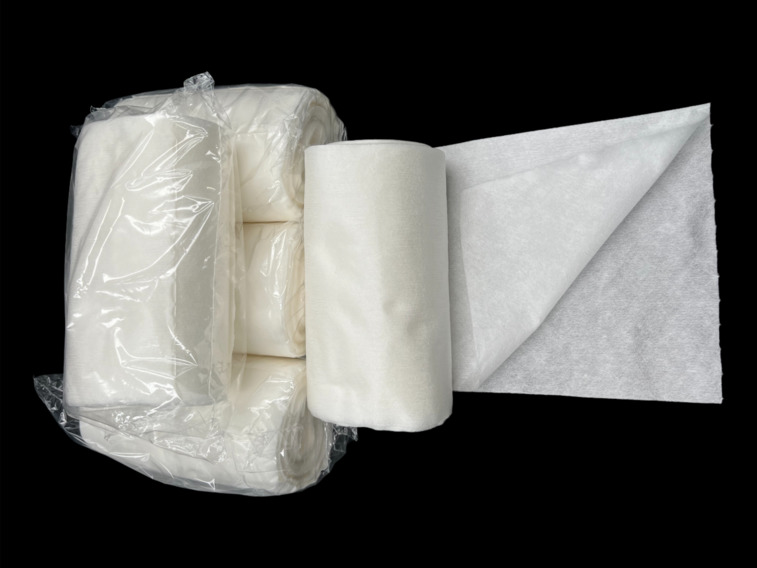
Most people focus on what’s in the cleansing liquid and forget that the wipe material itself touches the skin the most. A rough or flimsy pad forces you to rub harder; a dense, well-textured pad does more work for you.
Bamboo charcoal–based materials can help with gentle adsorption of impurities while staying soft on the skin.
Pearl-embossed textures increase contact with the skin, so they lift more makeup and dirt in one pass instead of several.
High-quality cotton pads feel smoother, shed less lint, and give better control, especially around the eyes and nose.
This is why professional manufacturers invest in base materials like Customizable Bamboo Charcoal Makeup Remover Material, Pearl Embossed Makeup Remover Pads, and premium Facial Cleansing Cotton Pads. They are not just buzzwords; they are engineering choices that directly affect how your skin feels after cleansing.
If you are building or sourcing your own beauty line, or simply want to understand what’s behind a good wipe, it pays to look at the fabric and pattern, not just the claims on the box.
In a realistic routine, facial wipes are supporting actors:
Morning: a simple water-based cleanse is usually enough, followed by your normal skincare and sunscreen. No wipes needed unless you are truly in a rush.
Midday: a wipe can refresh skin after the gym, a hot commute, or a long day under makeup and pollution.
Evening: use a wipe as your first cleanse to remove makeup and sunscreen, then wash with a gentle cleanser to finish the job.
Used this way, wipes give you flexibility without asking your skin to pay the price.
The goal is not to worship facial wipes or demonize them. It is to treat them as what they are: practical tools that can either help or harm, depending on how they are made and how you use them. Choosing better materials like Customizable Bamboo Charcoal Makeup Remover Material, Pearl Embossed Makeup Remover Pads, and soft Facial Cleansing Cotton Pads is a subtle upgrade that your skin actually feels.
If you are interested in high-quality remover materials or want to explore better wipe and pad options for your own brand, you can request a free sample by contacting [email protected]. This way, you are not guessing what works—you can feel it directly in your own routine.
WESTON
Privacy Policy | SiteMap
Copyright WESTON