- Email: [email protected]


Cleaning is one of those daily tasks that rarely gets much attention until something doesn’t work. A cloth that leaves lint, tears easily, or simply pushes dirt around instead of removing it quickly becomes frustrating. This is where a clean works general-purpose cloth comes in.
It is not designed for only one special task. Instead, it focuses on something more practical: reliable wiping performance across many everyday situations. From kitchen counters to workbenches, this type of cloth is built to handle routine cleaning in a simple and efficient way.
Understanding how it works helps explain why this humble material plays such a large role in homes, workshops, and commercial spaces.

A clean works general-purpose cloth is exactly what its name suggests: a wiping material designed to handle multiple cleaning tasks without requiring different specialized wipes.
People often use it for:
Removing dust from surfaces
Absorbing spilled liquids
Wiping light grease or fingerprints
Cleaning glass, tables, and equipment
Unlike highly specialized wipes used in laboratories or electronics manufacturing, a general-purpose cloth focuses on balanced performance. It needs to be strong enough for repeated wiping, absorbent enough to handle moisture, and soft enough to avoid scratching common surfaces.
This balance is the reason these cloths appear in so many places—from household kitchens to industrial maintenance rooms.
The performance of a cleaning cloth begins with the fibers used to make it. Different fibers provide different strengths, and manufacturers often combine them to create a balanced fabric.
Some commonly used materials include:
Viscose (rayon)
A plant-derived fiber known for strong liquid absorption and a soft texture.
Polyester
Provides strength and durability, especially when the cloth is used repeatedly while wet.
Wood pulp fibers
Often used for cost-effective wiping performance and good liquid pickup.
Natural fibers such as cotton or bamboo
These materials are valued for softness and natural absorbency.
In modern nonwoven manufacturing, these fibers can be blended and processed into fabrics with specific wiping characteristics. Some manufacturers develop specialized wiping materials such as General Purpose Cleaning Fabric to meet the demand for durable, multi-use cleaning cloths.
Many modern cleaning cloths are produced using spunlace (hydroentangled) nonwoven technology. This process uses high-pressure water jets to entangle fibers together without the need for chemical binders.
The result is a fabric with several useful qualities:
Soft, cloth-like texture
Strong fiber bonding
Good flexibility and drape
Improved liquid absorption
Because the fibers are physically entangled rather than glued, the cloth remains durable even when wet. This is particularly important for cleaning tasks that involve water, detergents, or disinfectants.
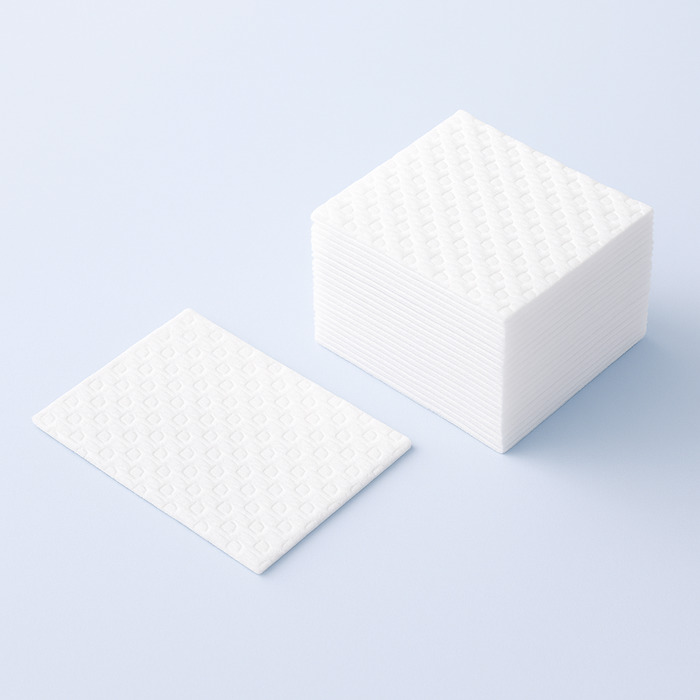
The surface texture can also be engineered. Patterns such as pearl embossing or plain textures increase the contact area between the cloth and the surface being wiped, helping remove dust or grease more effectively.
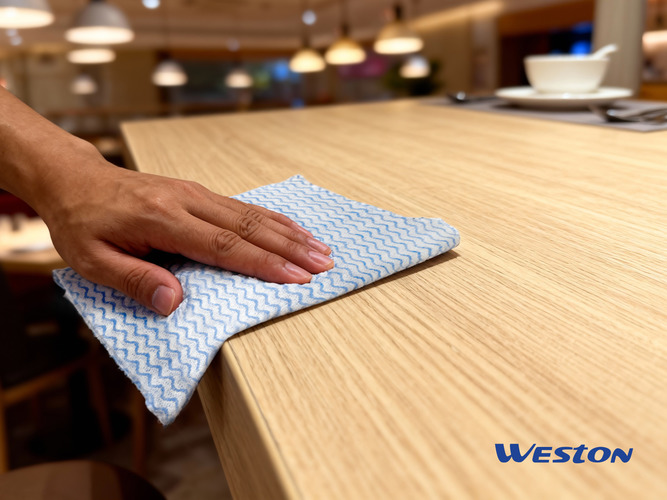
One reason general-purpose cleaning cloths are widely adopted is their versatility. A single product can support many different cleaning environments.
In homes, these cloths are commonly used for:
Kitchen counters and sinks
Dining tables
Window glass and mirrors
Appliance surfaces
They are easy to rinse and reuse, making them a practical alternative to disposable paper towels for certain tasks.
Hotels, restaurants, and offices often rely on multi-purpose wipes for routine maintenance.
Typical uses include:
Table cleaning between customers
Quick surface sanitation
Dust removal in common areas
Consistency and reliability are important here. Staff need a cloth that performs the same way every time.
General-purpose cloths also appear in workshops and manufacturing environments.
Examples include:
Equipment wiping
Surface preparation before maintenance
Removing light oil or coolant residue
In these situations, durability and absorbency become especially important.
Not every cleaning cloth performs the same way. When evaluating a general-purpose wiping fabric, several characteristics matter.
Absorbency
A good cloth should quickly pull liquid into the fiber structure rather than pushing it across the surface.
Wet Strength
Some materials weaken significantly when wet. A reliable cloth must maintain its structure during use.
Low Linting
Loose fibers can create problems, especially when cleaning glass or equipment.
Soft Surface Contact
A cloth should remove dirt without scratching delicate finishes.
When these features are balanced well, the cloth becomes a dependable cleaning tool across many situations.
Behind a simple cleaning cloth is a surprising amount of material engineering. Manufacturers experiment with fiber blends, fabric weights, and textures to optimize wiping performance.
For example, different cleaning environments may require different structures:
Lightweight cloths for fast disposable cleaning
Medium-weight wipes for repeated use
Heavy-duty cloths for workshop environments
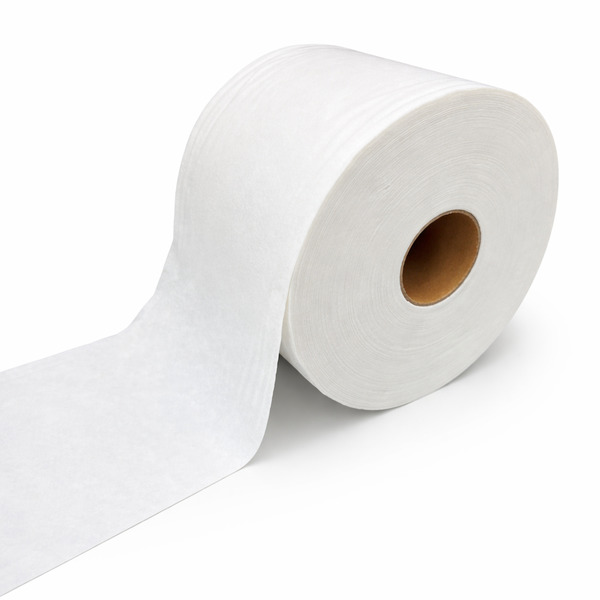
Producers of spunlace nonwoven materials often develop broad product lines to cover these needs. Some factories supply General Purpose Cleaning Fabric made from multiple fiber options, including:
Wood pulp / polypropylene blends
Viscose and polyester combinations
100% cotton wiping fabrics
Bamboo fiber nonwoven cloths
Meltblown nonwoven materials for specific wiping applications
Factories such as Weston Manufacturing focus on producing these spunlace wiping fabrics in different weights and compositions so they can be adapted to various cleaning tasks.
Despite the rise of many specialized cleaning products, the general-purpose cloth remains widely used. The reason is simple: most cleaning tasks do not require complex tools.
People value a wiping cloth that is:
Easy to use
Reliable across many surfaces
Affordable for regular replacement
Available in different sizes and thicknesses
In many environments, practicality matters more than novelty. A cloth that consistently removes dust, absorbs spills, and holds up during repeated use will always have a place in daily cleaning routines.
For this reason, manufacturers continue to refine materials like General Purpose Cleaning Fabric, improving fiber blends and fabric structures while keeping the product simple and dependable.
In the end, the effectiveness of a cleaning cloth is not about complicated features. It is about doing a straightforward job well—lifting dirt, absorbing liquid, and leaving surfaces clean with minimal effort.
WESTON
Privacy Policy | SiteMap
Copyright WESTON