- Email: [email protected]


When we hear the term cloth wipe, most people immediately think of a simple household cleaning sheet or a disposable facial wipe. In reality, cloth wipes are far more than that—they are carefully engineered nonwoven fabrics designed to optimize cleaning efficiency, absorbency, and durability. From industrial workshops to personal skincare routines, understanding the science behind these versatile tools can help both consumers and businesses make better choices.
At their core, cloth wipes are sheets of fibers bonded together without traditional weaving or knitting. This “nonwoven” construction allows manufacturers to control the wipe’s absorbency, strength, texture, and chemical compatibility. Unlike paper towels, which rely solely on the cellulose fiber network, nonwoven wipes use a combination of fiber selection and bonding techniques to deliver superior performance for specific tasks.
The main factors that determine a cloth wipe’s functionality include:
Fiber Type: Polyester, viscose, woodpulp, or meltblown polypropylene.
Basis Weight (GSM): Heavier wipes usually hold more liquid but may be less flexible.
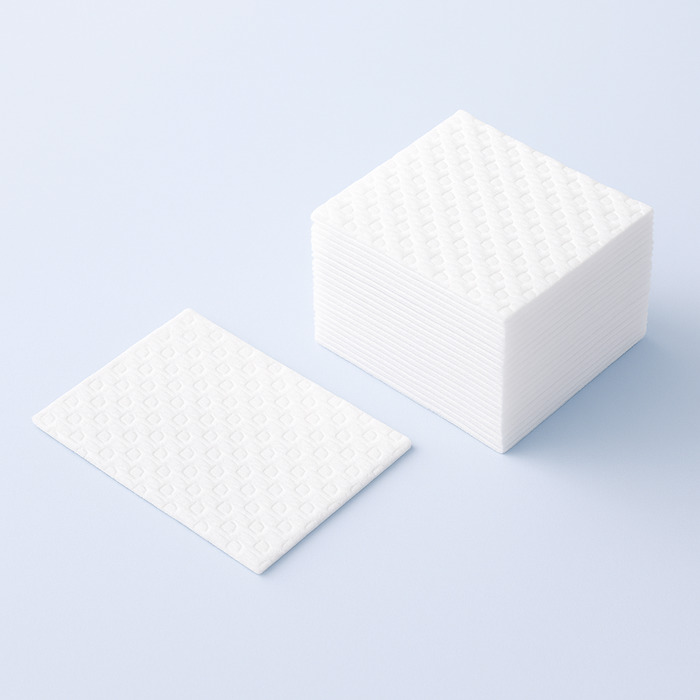
Texture & Embossing: Patterns like grids, diamonds, or mesh enhance cleaning efficiency.
Wet & Dry Strength: Critical for industrial or repeated use scenarios.
Chemical Compatibility: Some wipes are engineered to withstand solvents, oils, or acidic solutions.
Polyester (PET): Hydrophobic and highly durable, polyester wipes excel at removing oils and greases. Commonly used in automotive, industrial, and electronics cleaning.
Viscose: Highly absorbent and soft, viscose blends are gentle enough for skin-contact wipes while still effective for water-based cleaning.
Woodpulp: Rapidly absorbs water and light liquids, making it ideal for kitchens, food processing, and general-purpose cleaning.
Meltblown Polypropylene: Features a fine fiber web that maximizes oil absorption and fluid retention. Perfect for precision cleaning in laboratories, workshops, and automotive detailing.
Hybrid Blends: Combining materials such as polyester/viscose or woodpulp/polyester allows wipes to be tuned for specific tasks, balancing absorbency, strength, and softness.

Nonwoven wipes are manufactured using advanced processes that determine their structure and performance:
Spunlace (Hydroentangling): High-pressure water jets interlace fibers, creating a soft yet strong fabric suitable for industrial and personal care wipes.
Meltblown Extrusion: Fine polymer fibers are extruded and laid into a dense, oil-absorbent web.
Air-laid Pulp Formation: Used for highly absorbent wipes combining woodpulp and synthetic fibers.
Each production method impacts linting, durability, and absorbency, which is why scientific understanding of the process is essential.
Cloth wipes are no longer limited to household chores. Their applications span multiple domains:
| Industry / Use | Recommended Material | Primary Benefit |
| Automotive & Panel Prep | Polyester, Meltblown | Solvent resistance, oil removal |
| Manufacturing & Workshop | Polyester/Viscose | High strength, low lint |
| Food Processing & Kitchens | Woodpulp/Polyester | Rapid liquid absorption, hygiene |
| Electronics & Precision Cleaning | Polyester, Meltblown | Lint-free, safe for delicate surfaces |
| Personal Care & Beauty | Viscose, Spunlace | Gentle on skin, high moisture absorption |
Illustration Idea: A chart showing wipe materials vs. recommended applications and benefits can visually guide readers to understand material-performance relationships.
Not all wipes are created equal. Selecting the right cloth wipe isn’t about brand recognition—it’s about understanding the science behind the fibers, bonding, and design. A wipe engineered for grease removal won’t perform well on delicate glass surfaces, while a soft viscose wipe may fail under industrial degreasing tasks.
By matching fiber composition, texture, and GSM to the intended application, users can reduce waste, increase efficiency, and achieve superior cleaning results.
Cloth wipes are engineered solutions, not just convenience items. From the kitchen counter to the automotive garage, from skincare routines to industrial degreasing, understanding how nonwoven wipes work ensures they are used most effectively.
For businesses and industrial buyers looking for professional-grade wipes, Weston Manufacturing is a trusted Professional Cleaning Wipes Exporter. They specialize in polyester, viscose, woodpulp, and meltblown nonwoven fabrics, offering customizable solutions for various industries.
If you want to experience the quality firsthand, you can request a free sample via [email protected].
WESTON
Privacy Policy | SiteMap
Copyright WESTON