- Email: [email protected]


A microfiber towel looks simple. It is just a piece of fabric you wipe with. But behind that simple surface is a lot of material science, structure design, and practical performance logic. A high quality microfiber towel is not defined by how soft it feels in the store or how bright the color is. It is defined by how it works, day after day, on real surfaces.
Understanding what makes a microfiber towel truly high quality helps you choose better tools, reduce waste, and clean more efficiently with less effort.
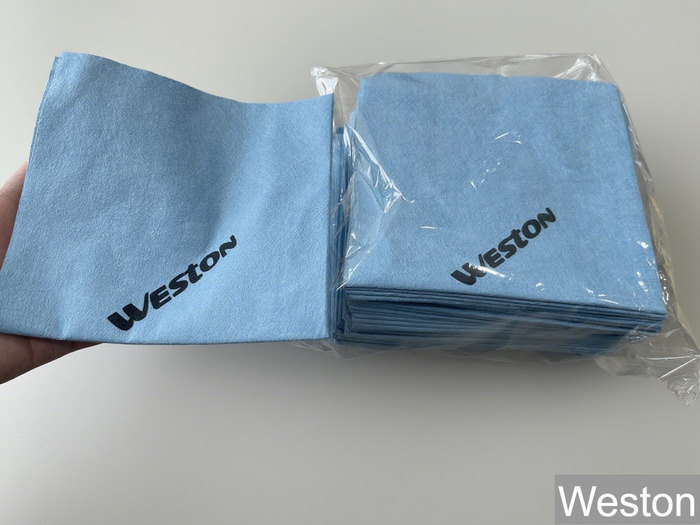
Microfiber is a synthetic fiber, usually made from polyester, polyamide (nylon), or a blend of both. The key feature is size. Each fiber is much thinner than human hair. This fine diameter creates more surface area, which allows the fabric to trap dust, absorb water, and lift oils.
However, simply calling a towel “microfiber” does not guarantee performance. Low-quality microfiber exists, and it often performs no better than ordinary cloth. Quality starts with how the fibers are made, not how the product is marketed.
One of the most important but least visible features of a high quality microfiber towel is fiber splitting. During proper manufacturing, fibers are mechanically or chemically split into multiple wedge-shaped strands.
These split fibers create microscopic edges that grab dirt and moisture instead of pushing them around. Unsplitted fibers are smooth and slide over surfaces, which leads to streaking and poor cleaning results.
If a towel wipes but does not lift, it is usually because the fibers are not well split.
Most microfiber towels use a blend of polyester and polyamide. Polyester provides structure and durability. Polyamide improves softness and absorbency.
Common blends include:
80/20: balanced, durable, widely used
70/30: softer, higher absorbency, more surface-friendly
There is no single “best” ratio. A high quality towel matches its blend to its intended use. For example, microfiber towels for cars often favor higher polyamide content to reduce the risk of scratching delicate paint and clear coats.
GSM (grams per square meter) measures fabric weight. Heavier towels generally hold more water, but weight alone does not equal quality.
A poorly constructed 600 GSM towel can underperform compared to a well-made 300 GSM towel with properly split fibers and good weave density. Fiber quality, yarn consistency, and finishing processes matter just as much as thickness.
High quality microfiber uses GSM as a design choice, not a selling trick.
Different weave patterns change how a towel behaves:
Terry weave: versatile, good for general cleaning and absorption
Waffle weave: faster drying, excellent for glass and drying tasks
Flat or suede weave: low friction, ideal for streak-free finishes
A towel designed for automotive detailing will often use a different weave than one designed for household cleaning. High quality microfiber respects these differences instead of forcing one design to do everything.
Many people test absorbency by pouring water on a towel. This only shows capacity, not performance. In real cleaning, absorbency speed matters more.
A high quality microfiber towel pulls water in immediately through capillary action. Low quality towels absorb slowly, smear moisture, or leave wet trails behind. Fast absorption reduces wiping time and surface contact, which is especially important for sensitive surfaces like car paint, screens, and coated finishes.
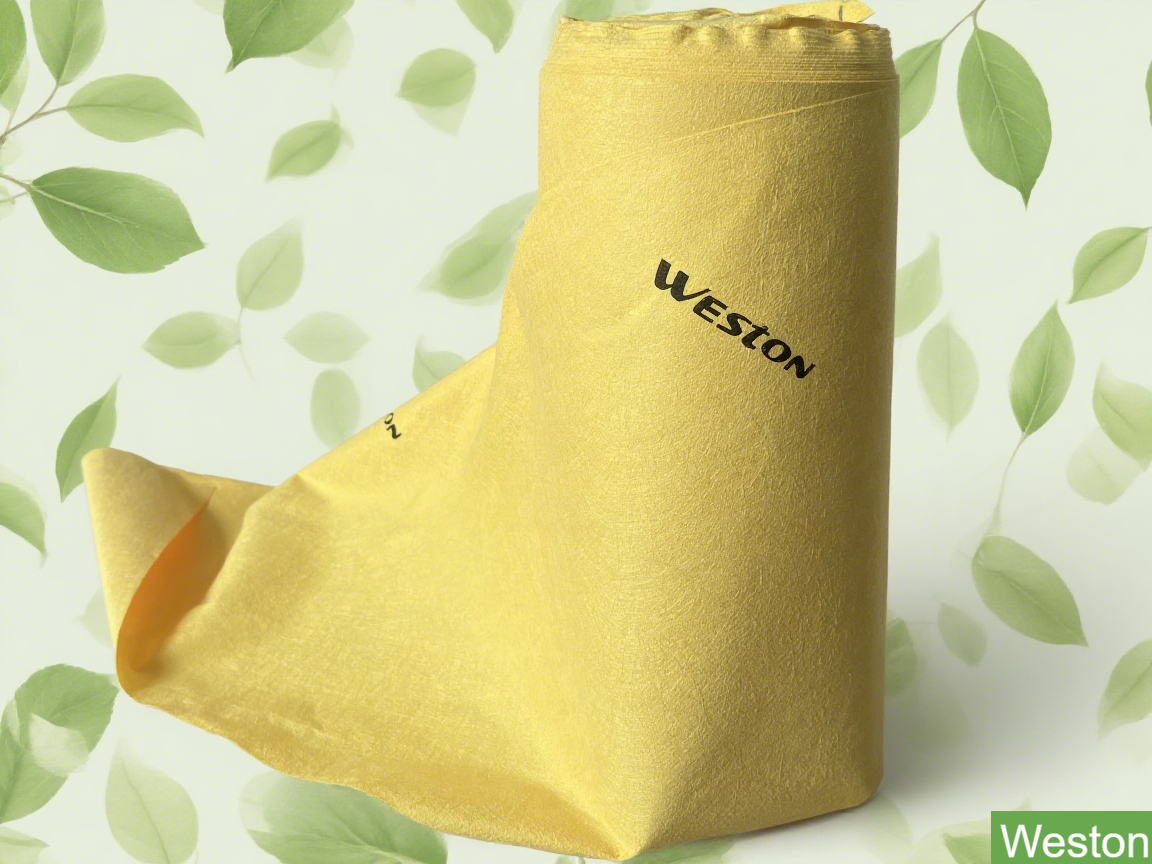
Edges are often overlooked, but they can damage surfaces if poorly finished. High quality microfiber towels use:
Ultrasonic cut edges
Soft microfiber-bound edges
Seam designs that do not expose hard threads
This detail is critical for microfiber towels for cars, where a rough edge can undo all the benefits of premium fibers.
A towel proves its quality during use, not during the first touch. High quality microfiber:
Releases minimal lint
Does not leave fiber residue
Maintains softness after repeated washing
Low quality towels often feel acceptable at first but degrade quickly. Fibers collapse, stiffen, or fuse together, reducing cleaning efficiency and increasing surface friction.
Durability is not just about lasting longer. It is about maintaining performance over time.
Colorful microfiber cleaning cloths are not only about aesthetics. Color coding helps prevent cross-contamination between tasks, such as separating kitchen, bathroom, and automotive use.
High quality dyed microfiber maintains color fastness through washing and does not bleed or transfer dye onto surfaces. Poor dye fixation is a sign of rushed or low-standard production.
The quality of a microfiber towel is decided long before it is cut and packaged. Fiber selection, yarn consistency, splitting technique, and finishing processes all play a role.
This is where experience as a nonwoven fabric manufacturer or textile producer becomes important. Factories with deep material knowledge tend to focus on function rather than surface-level claims. In some cases, manufacturers like Weston Manufacturing apply their understanding of fiber structure and nonwoven technology to microfiber-based products, even if those products are not their main focus.
The result is usually quieter quality: towels that work better without needing bold promises.
You do not need laboratory tools. Simple checks work:
It absorbs water instantly
It grips slightly when sliding across dry skin
It leaves no streaks on smooth surfaces
It feels the same after multiple washes
If a towel makes cleaning easier with less pressure, it is doing its job correctly.
A high quality microfiber towel is not defined by hype. It is defined by structure, material balance, and performance over time. When microfiber is made well, it becomes an efficient tool that saves effort, protects surfaces, and quietly delivers results. That is what quality looks like in real use.
WESTON
Privacy Policy | SiteMap
Copyright WESTON