- Email: [email protected]


A non-woven cover is one of those materials most people use every day without thinking about it. It appears in dust covers, wipes, hygiene products, and protective layers—quietly doing its job without drawing attention. Yet behind that simple surface is a carefully engineered material designed for specific tasks.
This article breaks down what a non-woven cover really is, how it is made, where it works best, and where it does not. No hype, no buzzwords—just clear, usable knowledge.
Non-woven does not mean unfinished or low quality. It means the material is made without weaving or knitting fibers into yarns. Instead, fibers are laid into a web and bonded together using water pressure, heat, or air.
This structure gives manufacturers far more control over thickness, strength, absorbency, and surface texture than traditional textiles. A non-woven cover can be built thin and breathable, or dense and protective, depending on the job it needs to perform.
That flexibility explains why non-wovens show up everywhere—from medical environments to industrial workshops.
Different production methods create very different materials. Among them, spunlace stands out for applications that require both strength and softness.
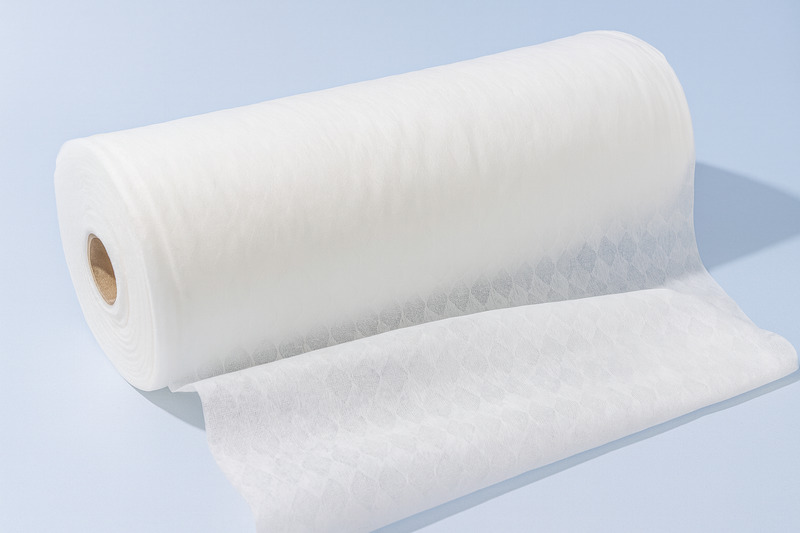
In spunlace production, high-pressure water jets entangle fibers together. No chemical binders are needed. The result is a fabric-like sheet with a clean surface and low lint release.
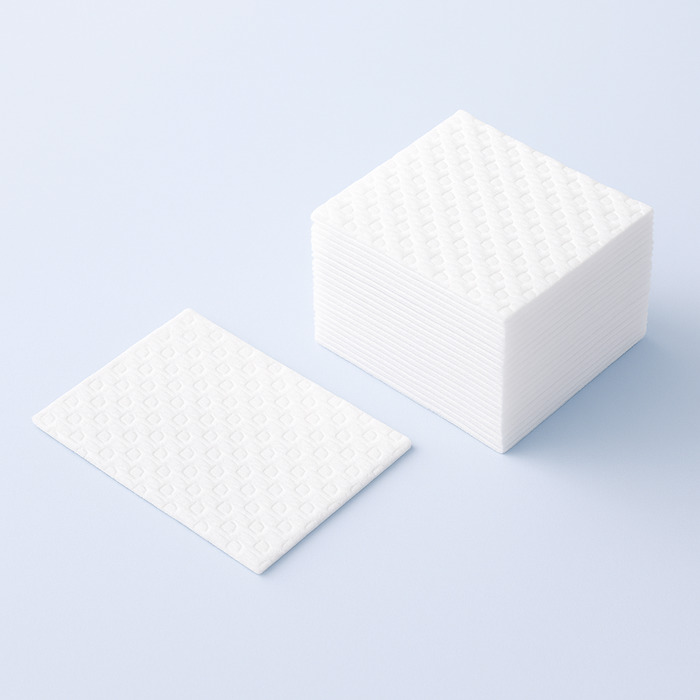
This process is commonly used for covers that must stay intact under wiping, handling, or repeated contact—such as Non Woven Spunlace Dust Cover materials used in industrial and cleaning environments.
The manufacturing method is not a background detail. It directly shapes how the cover behaves in real use.
Non-woven covers are chosen because they solve practical problems efficiently.
Advantages include:
Consistent structure across large surface areas
Lightweight strength, even at low basis weigh
Controlled absorbency, from quick pickup to liquid resistance
Low linting, critical for clean or sensitive environments
Easy customization of texture and thickness
Unlike woven fabrics, non-woven covers do not rely on yarn tension or weave density. That makes their performance easier to predict and reproduce at scale.
Non-woven covers are not universal solutions. Understanding their limits is just as important.
Common drawbacks include:
Lower tear resistance compared to heavy woven fabrics
Limited reusability for single-use designs
Reduced heat resistance, depending on fiber selection
Shorter lifespan under continuous mechanical stress
For long-term structural applications, woven textiles still make more sense. Non-wovens excel when efficiency, hygiene, and controlled performance matter more than durability over years.
The fiber choice determines how a non-woven cover feels, performs, and ages.
Polyester adds strength and shape stability
Polypropylene provides lightweight structure and moisture resistance
Cellulose and wood pulp increase absorbency
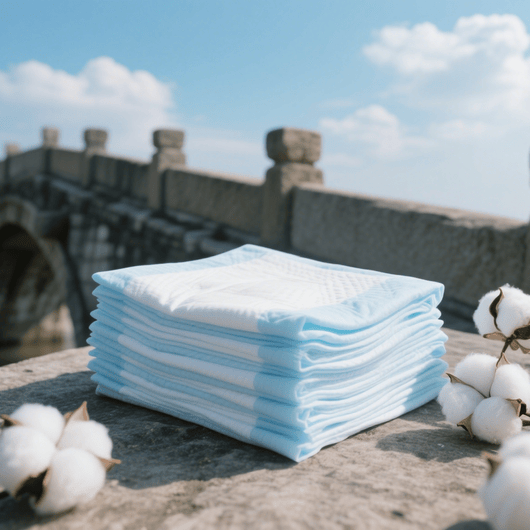
Cotton fibers improve softness and skin contact comfort
Blended fiber systems allow manufacturers to fine-tune performance without overengineering the material.
Non-woven covers are designed for work, not decoration.
You will find them in:
Dust covers for tools, equipment, and surfaces
Disposable and semi-durable cleaning wipes
Medical and hygiene protection layers
Cosmetic and personal care products
Industrial maintenance and janitorial systems
In dust control specifically, Non Woven Spunlace Dust Cover materials are valued for trapping fine particles while staying breathable and easy to handle.
Each material category has its role.
Woven fabrics last longer but cost more and shed fibers
Paper absorbs well but tears easily and breaks down fast
Non-woven covers balance strength, cleanliness, and cost
That middle position is exactly why non-woven covers continue to replace both paper and woven textiles in many applications.
Non-woven covers perform well where cleanliness matters.
Their controlled fiber bonding reduces loose lint. Their uniform surface prevents uneven wear. Spunlace non-wovens, in particular, are often selected when chemical binders are undesirable.
This makes them suitable for environments where residue, contamination, or inconsistent performance creates real problems—not just inconvenience.
Selecting a non-woven cover should start with use conditions, not marketing claims.
Key questions include:
Will the cover face dry dust or liquid exposure?
Is softness or abrasion resistance more important?
Is the cover disposable or semi-durable?
Does it need to remain lint-free under motion?
The right answers point toward the right fiber blend and production method.
Behind every reliable non-woven cover is process control. Fiber selection, water pressure, web formation, and finishing steps all influence performance.
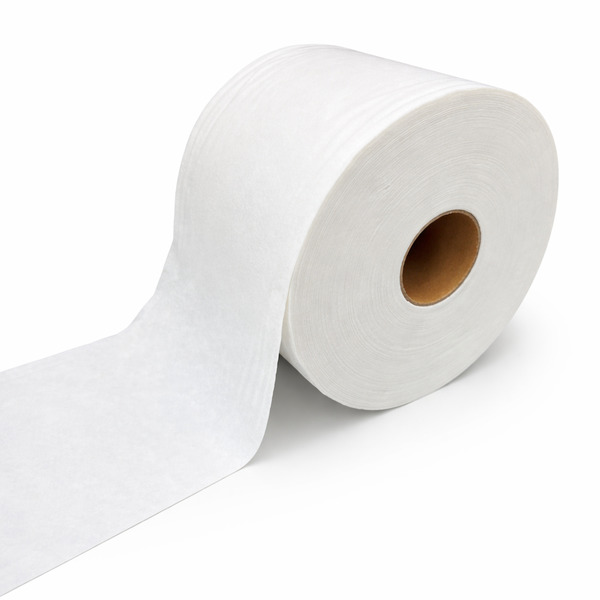
Manufacturers such as Weston Manufacturing focus on spunlace non-woven production for applications that demand repeatable quality, stable supply, and material consistency. Products like Non Woven Spunlace Dust Cover materials are developed with real use conditions in mind—not lab-only metrics.
For companies evaluating materials or testing alternatives, Weston Manufacturing offers free sample support to help match material performance with actual application needs.
📩 Contact: [email protected]
WESTON
Privacy Policy | SiteMap
Copyright WESTON