- Email: [email protected]


If you’ve ever pulled clothes from the dryer and watched them cling to your skin, or wiped your computer screen only to see dust appear again seconds later, you’ve already met the invisible culprit — static electricity. It’s a tiny, often overlooked phenomenon that quietly affects our comfort, our devices, and even the cleanliness of our surroundings.
A static free cloth is a simple yet clever solution to this everyday problem. Let’s take a closer look at what it really is, how it works, and why it matters more than most people think.
Static electricity happens when two materials rub against each other, causing electrons to move and creating a small electrical imbalance. You can’t see it, but you can feel it — that little zap from a doorknob or the cling of your T-shirt to your body.
While harmless most of the time, static buildup can attract dust, make fabrics cling, and even interfere with delicate electronics. In industries like electronics assembly or cleanroom production, static isn’t just annoying — it’s a real hazard. That’s where static free cloths come in.
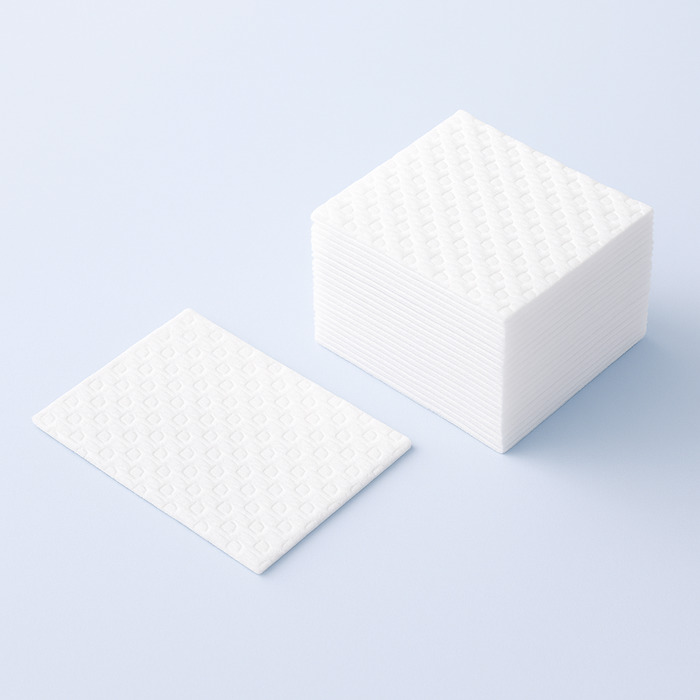
A static free cloth is made from special fibers that prevent or neutralize static electricity. Instead of letting charges build up, it safely releases them into the air or disperses them through conductive threads.
Many of these cloths use advanced materials such as carbon fibers, polyester blends, or conductive nonwoven fabrics. Imagine them as a tiny safety network — when friction creates static, these fibers help carry that energy away before it becomes a problem.
The result? A smoother, dust-free clean that leaves no annoying static cling behind.

You don’t need to work in a lab to benefit from static-free technology. In fact, these cloths are useful almost everywhere:
At Home: Perfect for cleaning glass, mirrors, and screens without leaving streaks or attracting lint.
In Fashion and Textiles: Helps keep fabrics smooth and clean during production or ironing.
In Electronics: Protects delicate components from electrostatic discharge while cleaning.
In Industry: Used in manufacturing, cleanrooms, and precision workshops to maintain dust-free, static-controlled environments.
Once you’ve tried cleaning with one, it’s hard to go back to regular cloths.
Ordinary cloths generate friction — and friction generates static. A static free cloth, on the other hand, is designed to control that charge before it builds up.
These cloths are usually:
Lint-free: They don’t shed fibers.
Durable: Many can be washed and reused.
Eco-friendly: Modern versions are made with recyclable or biodegradable nonwoven materials.
They offer both performance and responsibility — a perfect blend for modern life.
Caring for these cloths is easy. Just:
Wash them gently with mild detergent.
Avoid fabric softeners or bleach — they can interfere with the conductive properties.
Air dry whenever possible.
Store in a cool, dry place for long-lasting performance.
Simple maintenance helps your cloth stay effective for years.
Today’s static free cloths are only the beginning. As nonwoven fabric technology evolves, manufacturers are developing new blends that are not only static resistant but also fire-proof, waterproof, and biodegradable.
In the near future, we may see these materials in smart fabrics, medical textiles, and even sustainable construction applications — showing how small innovations can have a big impact on daily life and industry.
For those curious about where these advanced materials come from, Weston Manufacturing is one of the factories dedicated to developing reliable, innovative nonwoven solutions for global use. Their featured products include Static Free Wiping Cloths, Fire Proof Nonwoven Fabric, Waterproof Spunlace For Construction, and Waterproof Hospital Bed Pads.
Weston offers free samples, along with fully customizable options in fabric weight, color, and shape to suit different applications.
For inquiries or OEM cooperation, reach out to [email protected] — and discover how practical science can fit right into your hands.

WESTON
Privacy Policy | SiteMap
Copyright WESTON