- Email: [email protected]


Disposable bedding is a category of bed products designed for short-term use and easy disposal after use. It focuses on hygiene, convenience, and efficiency rather than long-term durability. Instead of being washed and reused like traditional bedding, these products are used once or for a limited time, then replaced.
At its core, disposable bedding is a practical response to real-world needs: clean surfaces, reduced handling, and faster turnover.
Disposable bedding is not a single product. It is a group of functional items used together or separately:
Disposable bed sheets – lightweight, breathable layers placed directly on the mattress
Pillowcases – designed to reduce direct contact and maintain hygiene
Duvet covers or light blankets – used in temporary or controlled environments
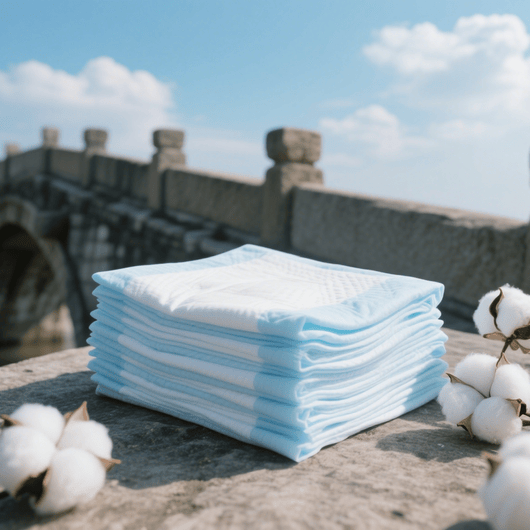
Waterproof bed pads – placed under the body to protect the mattress from fluids
Each item serves a specific purpose. Together, they create a clean and controlled sleeping or treatment surface.

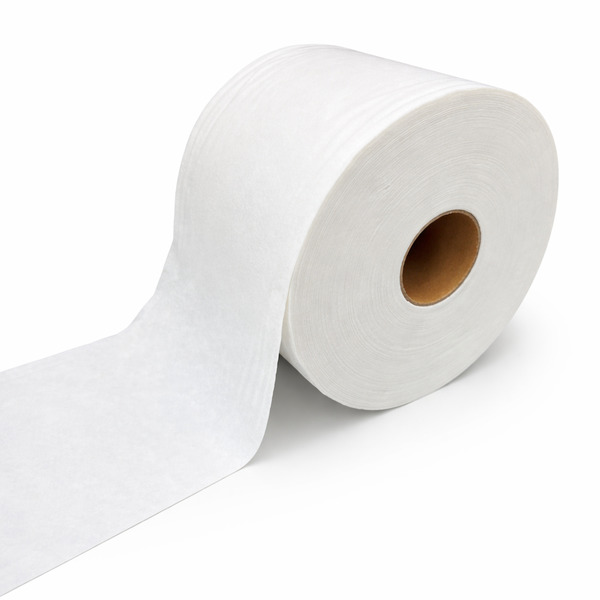
The performance of disposable bedding depends largely on its material. Most products are made from nonwoven fabrics, which are engineered rather than woven.
Common materials include:
Spunlace (hydroentangled) nonwoven fabric
Soft texture, low lint, suitable for direct skin contact
Viscose and polyester blends
Balance between softness and strength
Wood pulp composites
Good absorbency for fluid control
Biodegradable fibers (PLA, bamboo, lyocell)
Designed for reduced environmental impact
Nonwoven technology allows manufacturers to control thickness, absorbency, and strength without adding unnecessary weight. This is why wholesale nonwoven fabric is widely used as a base material in this category.
Disposable bedding exists because certain environments demand more than comfort. They require predictability and control.
Key reasons include:
Hygiene management
Reduces the risk of cross-contamination between users
Operational efficiency
No need for washing, drying, or storage of used linens
Time savings
Faster room or bed turnover in high-use settings
Cost clarity
Eliminates hidden costs such as water, electricity, and labor
This is not about replacing traditional bedding. It is about solving problems where reuse becomes inefficient or risky.
Disposable bedding is used across industries where cleanliness and speed matter:
Hospitals and clinics
Elder care and rehabilitation centers
Beauty and wellness facilities
Travel environments such as airlines or trains
Emergency shelters and disaster response
Short-term rentals or temporary accommodations
In these settings, the priority is not long-term use, but consistent cleanliness with minimal delay.
A disposable product still needs to perform well during use. The most important features include:
Softness – should not irritate the skin
Strength – must hold together during movement
Absorbency – critical for pads and protective layers
Breathability – prevents discomfort from heat buildup
Low lint – especially important in medical environments
These are not luxury features. They are baseline requirements for safe and effective use.

Among all disposable bedding items, waterproof bed pads play a distinct role. They are designed to manage fluids and protect underlying surfaces.
Typical structure includes:
Top layer – soft, skin-friendly nonwoven
Absorbent core – locks in liquid
Bottom layer – waterproof film to prevent leakage
These pads are widely used in hospitals, elder care, and home care scenarios. They help maintain cleanliness while reducing the need for constant mattress cleaning.
Disposable bedding often raises questions about sustainability. The answer is not as simple as “good” or “bad.”
Key factors include:
Material choice – biodegradable vs. synthetic fibers
Usage frequency – occasional vs. high-volume use
Laundry impact avoided – water, detergent, and energy consumption
In some high-turnover environments, reusable bedding can consume significant resources through repeated washing. Disposable options, especially those made from eco-conscious materials, can offer a balanced alternative.
Modern disposable bedding is not just about being “throwaway.” It is increasingly engineered for both performance and responsibility.
For example, products like Eco Friendly Disposable Bed Sheets and Waterproof Hospital Bed Pads are developed to meet hygiene standards while improving material efficiency. Manufacturers such as Weston Manufacturing focus on refining nonwoven processes to achieve better softness, strength, and environmental balance without unnecessary complexity.
Disposable bedding is best understood as a situational solution. It works where:
Clean turnover must be immediate
Washing infrastructure is limited or inefficient
Hygiene risks are high
Temporary setups are required
It is not meant to replace all bedding. It fills a specific gap where practicality matters more than longevity.
WESTON
Privacy Policy | SiteMap
Copyright WESTON