- Email: [email protected]


Hydro entangled non-woven fabric, often called spunlace, is one of the most widely used materials in modern hygiene and cleaning products. It looks and feels like cloth, but it is made without traditional weaving or knitting. Instead, fibers are bonded together using high-pressure water.
At its core, this material solves a simple problem: how to create a fabric that is soft, strong, and absorbent—without relying on chemical binders or heavy processing.

Hydro entangled non-woven fabric is made by entangling loose fibers using fine jets of high-pressure water. These water jets strike a fiber web and physically intertwine the fibers, locking them together.
There are no glues involved. No thermal melting. Just water and mechanical force.
That is why the fabric feels more natural and flexible compared to many other nonwoven materials.
The production process is precise but easy to understand when broken down:
Fiber selection
Common fibers include viscose (for softness), polyester (for strength), or blends of both.
Web formation
Fibers are opened, aligned, and layered into a loose sheet.
Hydro entanglement
High-pressure water jets penetrate the fiber web, causing fibers to twist and lock together.
Water recovery and drying
Water is filtered and reused, while the fabric is dried and stabilized.
Finishing and winding
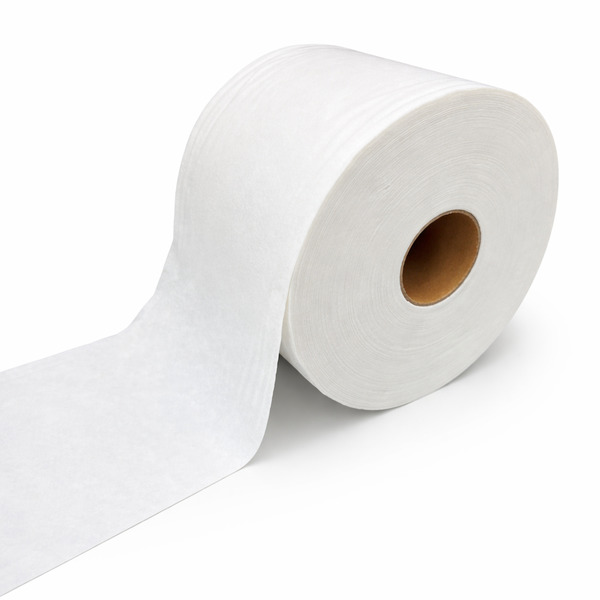
The fabric is rolled, cut, or embossed depending on the final application.
This process is what gives spunlace its unique balance: soft like textile, but efficient like industrial material.
Not all nonwoven fabrics are equal. The bonding method changes everything.
Thermal-bonded fabrics use heat to melt fibers together. They are strong but often stiff.
Chemical-bonded fabrics rely on adhesives, which can reduce softness and increase residue.
Hydro entangled fabrics rely on water, preserving fiber integrity.
The result is a fabric that is:
Softer on skin
More flexible
Strong even when wet
This is why spunlace has become the preferred choice in applications where touch matters.
Hydro entangled non-woven fabric stands out because it delivers multiple properties at once:
High absorbency
Ideal for wipes and hygiene products that need to hold liquid efficiently
Cloth-like softness
Suitable for direct skin contact
Wet strength
Maintains integrity even after absorbing water or lotion
Low linting
Important for cleaning and medical environments
Breathability
Allows air to pass through, improving comfort
In practical terms, it performs reliably in both dry and wet conditions—something many materials struggle to balance.

The performance of hydro entangled fabric depends heavily on fiber selection:
Viscose (rayon): soft, highly absorbent, widely used in wipes
Polyester (PET): strong, durable, improves wet strength
Bamboo fiber: often used for marketing appeal, but performance varies
Cotton: natural and soft, but more expensive and less consistent
Most commercial products use blends. A viscose/polyester mix is common because it balances cost, strength, and comfort.
This material is already part of daily life, even if most people don’t notice it.
Typical applications include:
Baby wipes and personal care wipes
Facial mask sheets
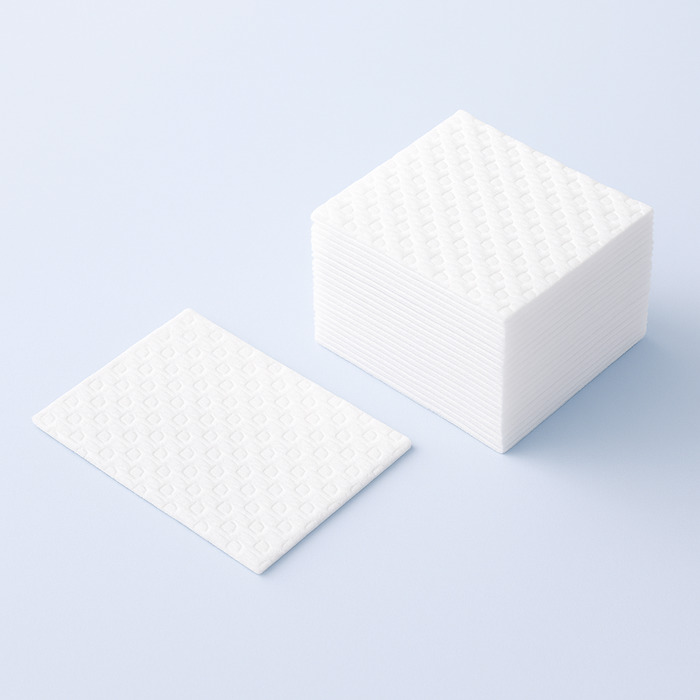
Cosmetic pads and towels
Medical disposable products
Industrial and household cleaning wipes
The reason is simple: few materials can match its combination of softness and durability at scale.
Manufacturers that specialize in this field—such as a Custom Nonwoven Wipes Factory—focus heavily on adjusting fiber blends, weight (GSM), and texture to match each application precisely.
Hydro entanglement is often described as “clean” because it avoids chemical binders. That is partly true—but not the full picture.
The process uses a significant amount of water, though most systems recycle it
Biodegradability depends on fiber choice, not the process itself
Polyester blends introduce microplastic concerns
Plant-based fibers improve sustainability but increase cost
In short, the process is only one part of the sustainability equation. Material selection matters more.
No chemical bonding agents
Soft and skin-friendly
Strong in both dry and wet states
Highly versatile across industries
Higher production cost than basic nonwovens
Water and energy intensive
Quality varies depending on manufacturing control
This is why working with an experienced Professional Cleaning Wipes Exporter like Weston Manufacturing becomes important for consistent product performance.
Even without technical testing, there are simple ways to judge quality:
Touch: should feel soft, not papery
Strength: should not tear easily when wet
Absorption speed: liquid should spread quickly
Surface: uniform, with consistent texture or embossing
Lint level: minimal fiber shedding
These details directly impact the end-user experience.
For brands, choosing hydro entangled non-woven fabric is not just a material decision—it is a positioning decision.
This is why many brands partner with specialized manufacturers like Weston Nonwoven, who can fine-tune specifications rather than offer generic materials.
Hydro entangled non-woven fabric is not new, but its importance keeps growing. As demand increases for hygiene, convenience, and better user experience, this material continues to evolve.
It sits at a practical intersection: engineered for performance, but designed to feel simple and natural in everyday use.
WESTON
Privacy Policy | SiteMap
Copyright WESTON