Home » blog » What is Melt Blown Fabric for Masks?
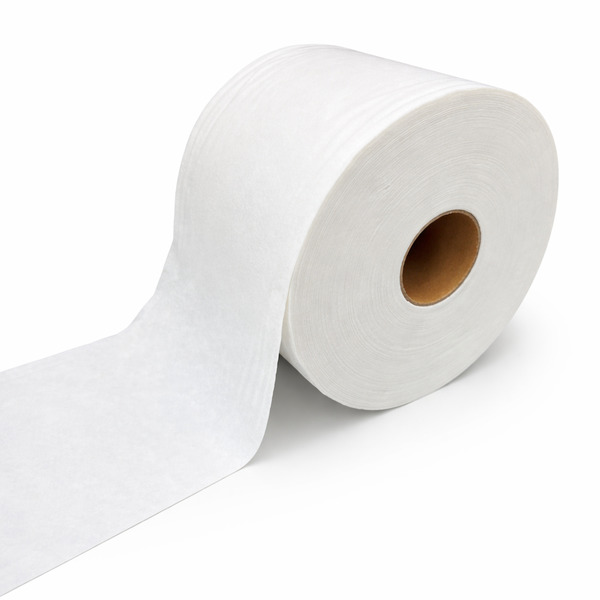
Melt-blown fabric is a specialized nonwoven material created through a process that involves melting thermoplastic polymers, typically polypropylene, and extruding them into fine fibers. These fibers are then collected to form a web-like structure that serves as a highly effective filtration medium. Known for its exceptional ability to block small particles, melt-blown fabric has become a critical component in masks, especially during health crises. Its unique properties allow it to filter out bacteria, viruses, and pollutants, making it essential for respiratory protection.
The Filtering Power in the Microscopic World
Melt-blown fabric is characterized by the random interweaving of ultra-fine fibers. These fibers often have a diameter of only a few micrometers, far smaller than one-millionth of a human hair. The fibers create a complex network that provides a “maze” for particles in the air.
Mechanical Filtration When particles collide with the fibers through airflow, particles larger than the spacing between the fibers are directly intercepted; smaller particles adhere to the fiber surface after multiple collisions in the airflow.
Diffusion Effect Aerosol particles with extremely small diameters diffuse within the openings of the fabric due to Brownian motion, randomly contacting fibers and being captured.
Electrostatic Adsorption Many melt-blown fabrics undergo corona or plasma treatment during production, imparting a lasting static charge to the fiber surfaces, enhancing their ability to attract and capture nanoparticles.
This combination of mechanisms allows melt-blown fabric to excel at blocking various pollutants, including microorganisms, smoke, and dust.
Manufacturing Process: From Plastic Pellets to Ultra-Fine Fibers
The core of the melt-blown process involves melting thermoplastic resins such as polypropylene at high temperatures and expelling them through high-pressure hot air. This rapidly stretches and cools the molten fibers, forming thousands of fiber strands with micrometer diameters. Key steps in this process include:
Raw Material Selection Polypropylene, known for its excellent chemical stability and meltability, is a commonly used base material.
Melt Extrusion The resin is completely melted at temperatures above 240°C.
High-Speed Hot Air Stretching The temperature and speed of the hot air directly influence fiber diameter and uniformity.
Web Formation and Stabilization After the fibers bond into a web, they must be cooled and rolled to maintain structural integrity.
This rigorous industrial process creates a perfect balance between efficient filtration performance and suitable breathability.
Scientific Analysis: Why is Melt Blown Fabric So Critical?
In the field of respiratory protection, melt-blown fabric plays a “heart” role. Without it, even multiple layers of spunbond fabric cannot achieve the same filtration efficiency. Its importance is reflected in:
High Particle Interception Rate For particles sized at 0.3μm, the filtration efficiency can exceed 95%.
Low Resistance Ensures Comfortable Breathing The unique network structure provides high interception while controlling airflow resistance.
Adjustable Performance By altering fiber diameter and the intensity of electrostatic treatment, customization is possible for different needs (medical-grade, industrial-grade, dust-proof).
Thus, whether in disposable medical masks or industrial dust masks, melt-blown fabric remains an indispensable core material.
Practical Applications of Melt-Blown Fabric
While melt-blown fabric is renowned for its use in masks, its applications extend across various fields:
Air Purifier Filters Used to remove inhalable particles from the air, significantly improving indoor air quality.
Liquid Filtration Effective in intercepting particulate impurities in beverages and chemical processes.
Wiping Materials Utilized as high-purity wipes in cleanrooms and laboratories to maintain cleanliness.
Protective Clothing Layers Essential in creating barriers against chemical liquids and microorganisms in specialized environments.
Industrial Applications Provides filtration in manufacturing processes, protecting equipment and ensuring product quality.
These diverse applications highlight the versatility and importance of melt-blown fabric beyond just respiratory protection.
Comprehensive Analysis of Pros and Cons
Advantages
Efficient Filtration Combines mechanical interception, diffusion effects, and electrostatic adsorption for multi-layer protection against bacteria, viruses, and dust.
Excellent Airflow Permeability Provides low respiratory resistance while ensuring filtration efficiency, making it more comfortable.
Scalable Production Mature industrial processes support large-volume supply.
Strong Material Stability The chemical inertness of polypropylene provides excellent moisture and aging resistance.
Limitations
Risk of Static Charge Reduction In high-humidity environments or after prolonged use, the electrostatic adsorption effect may decline, necessitating optimized storage and usage methods.
Single-Use Design Most melt-blown mask products are disposable, making recycling difficult.
Resource Concentration Global melt-blown production capacity is unevenly distributed, making it susceptible to raw material and equipment supply chain issues.
Environmental Burden Disposal after single use is challenging, placing some pressure on the environment.
Understanding these pros and cons helps in designing better products and sustainable solutions.
Innovative Perspectives: Future Development Directions
Driven by science and engineering, melt-blown fabric is evolving in multiple trends:
Renewable Materials Bio-based polymers or biodegradable plastics may replace traditional polypropylene to reduce environmental footprints.
Surface Functionalization Nano-antimicrobial coatings and durable charge treatments will endow filtration materials with more functions.
Smart Detection Using embedded sensors to monitor filtration efficiency and humidity, achieving intelligent feedback on mask usage status.
Circular Economy Models Combining recycling processes to enable the recovery and remanufacturing of melt-blown materials, promoting sustainable development.
These cutting-edge trends will inject new vitality into melt-blown fabric technology.
Tips for Buying and Maintenance
Once you understand melt-blown fabric, consider the following advice for everyday mask usage:
Check that the middle filter layer of the mask is visibly white and plump.
Avoid prolonged exposure of masks to high humidity environments.
Do not reuse disposable masks and dispose of them properly.
Store at home away from direct sunlight and high-temperature, humid conditions.
Scientific knowledge empowers you to protect yourself and your family with confidence.