- Email: [email protected]


Meltblown polypropylene is not a complicated material once you look at it from a practical point of view. It is designed to do one job well: filtration. You will rarely see it used alone, but it plays a critical role inside many everyday products, from face masks to air filters.
To understand it properly, there is no need for complex theory. What matters is how it is made, what kind of structure it forms, and why that structure works so effectively.
Meltblown polypropylene is a type of Meltblown Nonwoven Fabric made from polypropylene, a common thermoplastic polymer known for its stability and processability.
The word “meltblown” describes the manufacturing method rather than the raw material itself.
Polypropylene pellets are heated until they melt
The molten polymer is extruded through very small nozzles
High-velocity hot air stretches the material into ultra-fine fibers
These fibers cool and collect into a web
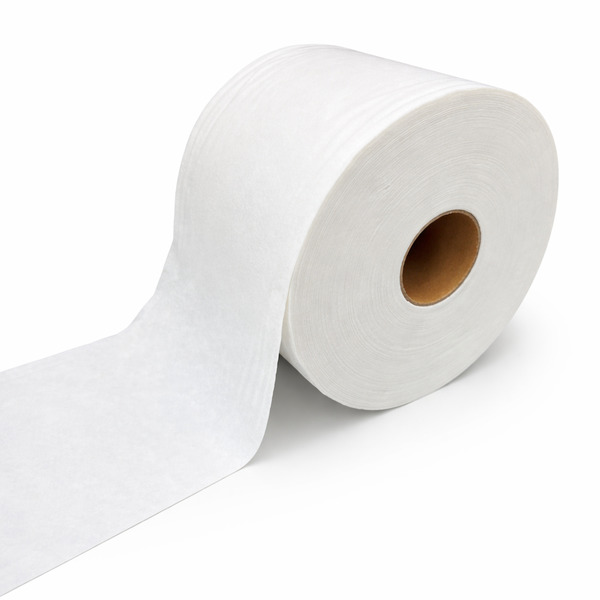
There is no weaving or knitting involved. The fibers bond together as they are deposited, forming a continuous sheet with a random but controlled structure.
This direct formation process is what gives meltblown fabric its unique performance.

The most important feature of meltblown polypropylene is fiber size.
Meltblown fibers are typically between 1 and 5 microns
This is significantly finer than many other nonwoven materials
Finer fibers create smaller gaps within the structure
This results in a material that is dense enough to capture particles while still allowing air to pass through.
Meltblown fabric is not strong on its own. It can tear more easily compared to spunbond materials and does not provide structural support.
This is intentional. It is designed as a functional layer, not a load-bearing one.
Filtration performance comes from the structure of the fiber web rather than thickness alone.
Larger particles are physically blocked
The irregular fiber arrangement increases the chance of interception
Fibers can carry an electrostatic charge
This charge attracts and captures smaller particles
These two mechanisms work together. As a result, meltblown fabric can achieve high filtration efficiency without becoming heavy or difficult to breathe through.
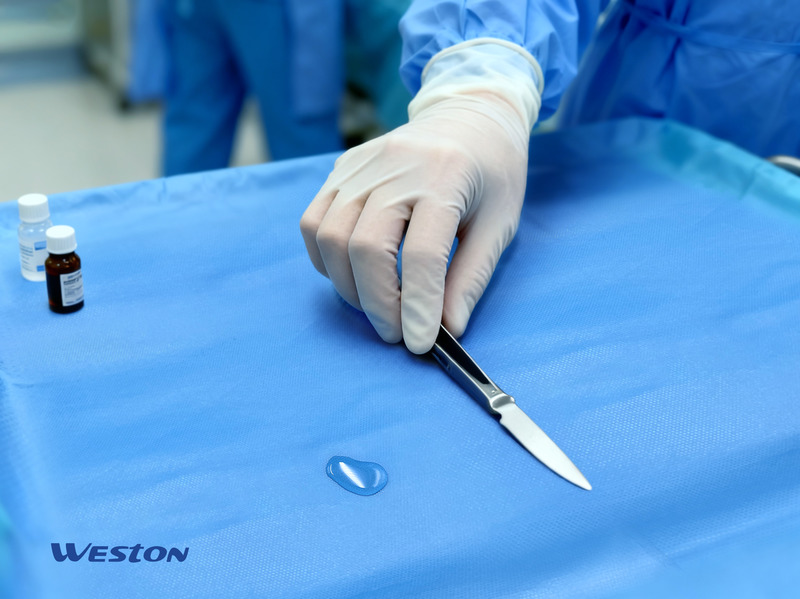
Meltblown polypropylene is rarely visible because it is usually placed inside layered products.
Filtration layer in disposable face masks
Protective medical clothing
Hygiene absorbent materials
HVAC and air purification filters
Industrial dust collection systems
Water and oil filtration media
Cleaning and wiping materials
Composite nonwoven products
Insulation and barrier layers
In most cases, meltblown fabric is the part responsible for filtration performance, even though it is not the outermost layer.
Because meltblown polypropylene lacks strength, it is commonly combined with stronger materials.
A typical structure is SMS:
Spunbond layer provides strength and durability
Meltblown layer provides filtration
Outer spunbond layer protects and stabilizes the structure
This combination allows each material to do what it does best.
Not all meltblown materials perform equally. Several factors directly affect performance.
Consistent fiber distribution ensures stable filtration across the entire surface.
Higher weight does not automatically mean better filtration. Efficiency depends more on fiber structure than thickness.
Applying an electrostatic charge improves the ability to capture fine particles without increasing airflow resistance.
Stable temperature, air pressure, and extrusion conditions are critical. Small variations can lead to noticeable differences in performance.
In practice, experienced suppliers Weston Manufacturing—such as a Meltblown Nonwoven Fabrics Manufacturer in China—focus heavily on maintaining process consistency rather than only increasing production volume.
There are several assumptions that can lead to confusion.
Thicker material always filters better
This is not always true. Fiber structure is more important
All nonwoven fabrics perform similarly
Different manufacturing methods create very different properties
Meltblown fabric is durable
It is designed for function, not strength
Understanding these points helps in selecting the right material for the right application.
Meltblown technology has been used for many years, but its role has become more visible as filtration demands have increased.
It is now a key material in:
Healthcare and protective products
Industrial filtration systems
Disposable hygiene applications
In many cases, it is used together with other nonwoven materials to create balanced, multi-functional products.
Some manufacturers, including Weston Manufacturing, offer both spunlace and meltblown solutions. Their Meltblown Nonwoven Material can be used in combination with softer spunlace fabrics, especially in applications where both filtration and surface comfort are required.
A simple way to look at meltblown fabric is this:
It is not a finished product by itself
It is not meant to provide structural strength
It is designed to capture particles efficiently
Its value comes from its internal structure rather than its appearance.
In real applications, it works quietly in the background—layered with other materials, performing a specific function, and rarely noticed unless it fails.
WESTON
Privacy Policy | SiteMap
Copyright WESTON