- Email: [email protected]


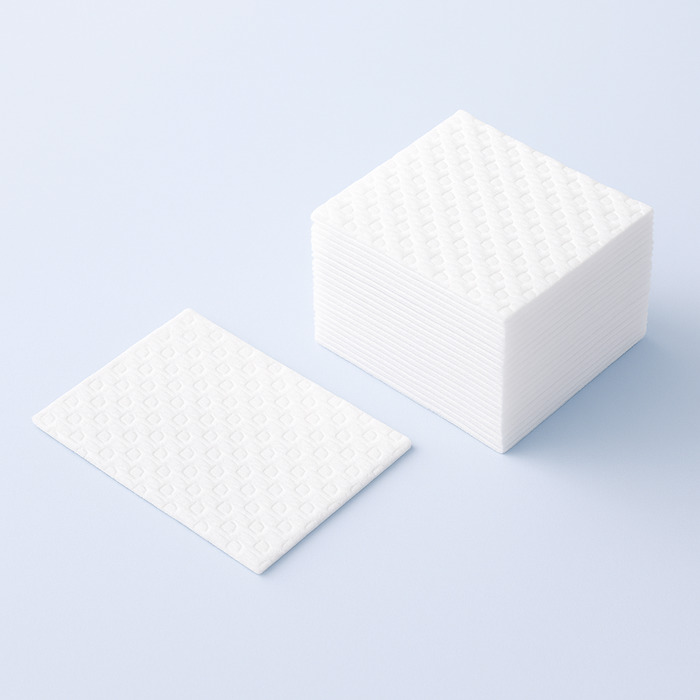
Spunlace non-woven fabric, also known as hydroentangled fabric, is an engineered material crafted through a unique manufacturing process that replaces traditional weaving or knitting. Unlike conventional textiles, it relies on high-pressure water jets to mechanically interlock fibers into a cohesive, cloth-like structure. This method eliminates the need for chemical binders or thermal treatments, resulting in a fabric that combines softness, strength, and versatility.
The production of spunlace non-woven fabric begins with a dry-laid web of fibers, which can include natural materials like cotton, wood pulp, or bamboo, or synthetic polymers such as polyester and polypropylene. This web is subjected to rows of ultra-fine water jets operating at pressures as high as 2,000 bar. The jets penetrate the fiber matrix, causing individual fibers to whip around and entangle through frictional forces and physical knots. This mechanical bonding, devoid of adhesives, preserves the innate properties of the fibers while creating a uniform, porous structure. The process allows for precise control over fabric weight, texture, and strength by adjusting water pressure, conveyor speed, and fiber composition.
Spunlace non-woven fabric exhibits a blend of characteristics that make it indispensable across industries:
Softness and Drapability: The absence of stiff chemical binders allows fibers to retain natural flexibility, yielding a material with a cloth-like hand and excellent conformability.
High Absorbency and Liquid Management: The porous, capillary-rich web facilitates rapid liquid uptake and distribution, outperforming many woven materials in hygiene and medical applications.
Strength and Durability: Hydroentanglement creates a three-dimensional network resistant to linting, fraying, and tearing, even under stress.
Breathability and Safety: The open structure permits air permeability while minimizing contamination risks, as no additives are used in bonding.
Eco-Conscious Profile: Materials like lyocell or bamboo enable biodegradability, and the water-intensive process often incorporates recycling systems to reduce waste.

While both are classified as non-wovens, spunlace and spunbond fabrics differ fundamentally in production and performance:
Manufacturing: Spunlace uses hydroentanglement, whereas spunbond relies on thermally bonded continuous filaments.
Flexibility vs. Rigidity: Spunlace is highly pliable, making it ideal for wipes and medical drapes, while spunbond excels in durable applications like geotextiles due to its tensile strength.
Absorbency: Spunlace outperforms spunbond in liquid retention, critical for hygiene products.
Environmental Impact: Spunlace’s water consumption is offset by its binder-free composition, while spunbond’s energy-intensive thermal process raises sustainability concerns.
The versatility of spunlace non-woven fabric enables its use in diverse sectors:
Medical and Hygiene: Surgical gowns, masks, and wound dressings leverage its sterility and absorbency.
Industrial Cleaning: Wipes for machinery, solvents, and surfaces capitalize on its low-lint properties and chemical resistance.
Consumer Goods: Makeup removers, household towels, and apparel linings benefit from its softness and durability.
Automotive and Aerospace: Interior linings and filters rely on its strength and precision.
Spunlace non-woven fabric presents notable environmental advantages:
Biodegradability: Options like 100% lyocell decompose within weeks, reducing landfill waste.
Resource Efficiency: Modern production lines recycle over 90% of water used in hydroentanglement.
Circular Economy: Some manufacturers integrate recycled fibers, aligning with global sustainability goals.
However, challenges remain, including the energy demands of water jet systems and the need for broader adoption of compostable materials.
Advancements in spunlace non-woven fabric are driven by material science and digitalization. Innovations include:
Smart Fabrics: IoT-enabled rolls with QR codes for tracking usage and optimizing supply chains.
Antimicrobial Coatings: Silver-ion infusions to enhance hygiene in medical and food-grade products.
Customized Composites: Blends of micro-denier fibers for specialized absorbency or barrier properties.
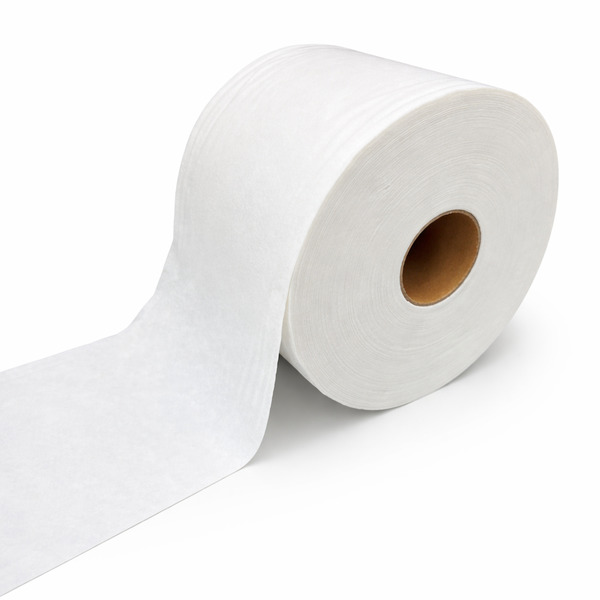
As a leading nonwoven fabric manufacturer, Weston Manufacturing leverages spunlace technology to develop solutions for complex industrial and consumer needs. Their Multi Purpose Spunlace Wipe Refill Rolls exemplify this commitment, combining wood pulp and polyester for optimal absorbency and strength in demanding environments. For those seeking to experience the benefits firsthand, free samples are available via [email protected]. Through continuous R&D and a focus on functionality, Weston aims to redefine the role of non-wovens in a rapidly evolving market.
WESTON
Privacy Policy | SiteMap
Copyright WESTON