- Email: [email protected]


Spunlace nonwoven fabric represents a convergence of material science and practical engineering, serving as an unsung hero in our daily lives. Created by entangling fibers using high-pressure water jets—a process known as hydroentanglement—this versatile material combines textile-like softness with impressive durability and absorbency. Its unique manufacturing process preserves the original characteristics of the fibers while creating a strong, cohesive fabric structure without chemical binders. The applications of spunlace span multiple industries, from healthcare to industrial cleaning, making it an indispensable material in modern society.
The production of spunlace nonwoven fabric begins with fibrous webs made through carding, airlaying, or wet-laying processes. These webs are then bonded not with adhesives or heat, but with high-pressure water jets that force the fibers to entangle. This mechanical bonding method creates a fabric that maintains the inherent properties of the original fibers while achieving remarkable strength and flexibility.
The hydroentanglement process offers distinct advantages over other nonwoven manufacturing techniques. Unlike thermally bonded nonwovens, spunlace contains no chemical binders that might compromise softness or absorbency. The resulting fabric exhibits high moisture absorption, rapid wetting capabilities, excellent breathability, and softness with good drape characteristics. These properties make it suitable for applications where comfort, absorbency, and strength are paramount.
In healthcare, spunlace nonwoven fabric has revolutionized patient care and medical hygiene products. The material’s softness, strength, and absorbency make it ideal for sensitive applications where skin contact is inevitable. Medical-grade spunlace is used in surgical gowns, face masks, medical drapes, and wound care materials. Its hypoallergenic properties and ability to be sterilized make it particularly valuable in environments where infection control is critical.
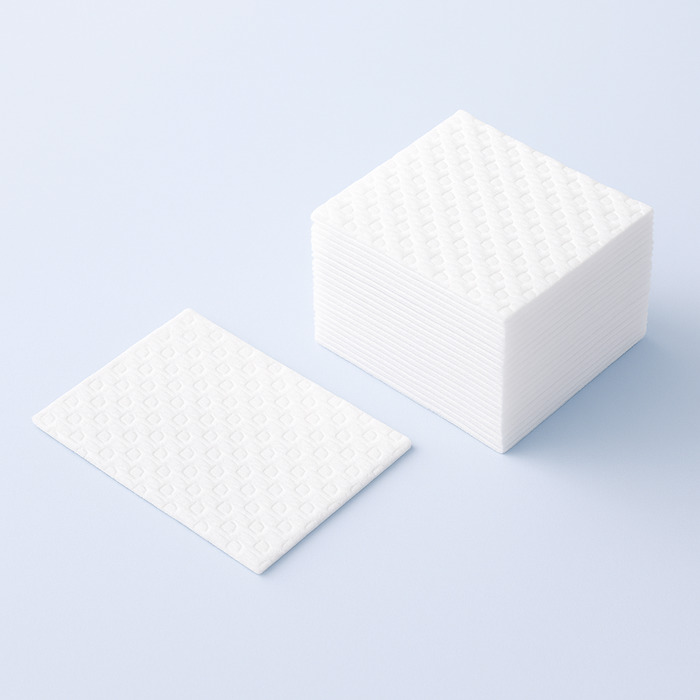
Weston Manufacturing’s A Pattern Embossed Spunlace Rolls exemplify innovation in this sector. The A-pattern structure creates micro-channels that enhance liquid wicking, reduce leakage, and prevent bunching—critical factors in medical applications. The fabric’s ability to absorb up to eight times its weight while maintaining a dry surface contact prevents skin irritation, making it invaluable for prolonged patient care.

The personal care industry extensively utilizes spunlace nonwoven fabric in products where gentleness and absorbency are essential. Facial wipes, baby wipes, and feminine hygiene products benefit from the material’s soft texture and hypoallergenic properties. The fabric’s strength ensures it maintains integrity when wet, preventing tearing during use.
Spunlace’s versatility extends to beauty and cosmetics applications. Makeup removal wipes take advantage of the material’s lint-free characteristics and softness, which are gentle on delicate facial skin. The fabric can be engineered with specific textures for gentle exfoliation or ultra-soft cleansing, meeting diverse consumer needs in skincare regimens.
Industrial applications of spunlace nonwoven fabric leverage its durability, absorbency, and cleaning capabilities. From manufacturing facilities to commercial kitchens, spunlace serves as a reliable wiping material for surfaces, equipment, and tools. Its tear-resistant quality, even when saturated with cleaning solutions or industrial fluids, ensures consistent performance in demanding environments.
Weston Manufacturing’s Color Coded Microfiber Cleaning Cloths incorporate spunlace technology for specialized cleaning tasks. These cloths feature ultra-fine fibers that create millions of micro-pockets to trap dust, dirt, and liquids effectively. The color-coding system enables cross-contamination prevention in professional cleaning settings, while the reinforced edges enhance durability through repeated laundering cycles.
Beyond cleaning and hygiene, spunlace nonwoven fabric plays a crucial role in filtration systems. The controlled pore structure and fiber entanglement create an effective barrier for particulate matter while maintaining airflow or liquid passage. This makes it suitable for applications ranging from HVAC filters to water treatment systems.
The material’s environmental applications extend to agricultural uses, where it serves as protective covers for crops, aiding plant growth while allowing necessary air and moisture transmission. In wastewater treatment, spunlace functions as a primary filter media, capturing contaminants while withstanding the chemical and physical stresses of industrial processes.
The properties of spunlace nonwoven fabric can be finely tuned through material selection and processing techniques. By varying the fiber composition, manufacturers can create fabrics with specific characteristics tailored to particular applications.
Viscose Polyester Hydroentangled Nonwoven Fabric represents one such innovation, combining 70% viscose with 30% polyester to balance absorbency with strength and abrasion resistance. This blend creates a material that absorbs eight times its weight while resisting tearing, making it suitable for reusable applications where durability is essential.
The customization possibilities extend to weight, texture, and pattern variations. Spunlace can be produced in weights ranging from 30-120gsm, with lighter variants suitable for disposable applications and heavier weights ideal for industrial tasks. Embossing patterns, such as the pearl or A-pattern designs, enhance functionality by increasing surface area for improved liquid management or creating specific textures for specialized cleaning tasks.
The environmental profile of spunlace nonwoven fabric varies based on its fiber composition. Traditional petroleum-based synthetics raise concerns about plastic pollution and resource depletion. However, innovations in sustainable materials are transforming the environmental landscape for spunlace products.
Natural fiber options, particularly 100% viscose spunlace, offer compelling environmental advantages. Viscose, derived from renewable wood pulp, provides a biodegradable alternative that breaks down naturally within 12-18 months under appropriate conditions. This biodegradability prevents long-term accumulation in landfills and reduces microplastic pollution associated with synthetic nonwovens.
The production process itself has evolved to address environmental concerns. Modern manufacturing facilities implement water recycling systems, significantly reducing consumption in the hydroentanglement process. Energy-efficient operations and sustainable sourcing practices further enhance the environmental credentials of contemporary spunlace production.
The table below illustrates key performance differences between spunlace and other common nonwoven fabrics:
| Property | Spunlace Nonwoven | Spunbond Nonwoven | Wet-Laid Nonwoven |
| Softness | High | Medium | Low-Medium |
| Absorbency | High (8-10× weight) | Low | Medium |
| Strength | High (wet & dry) | Medium | High (dry) |
| Textile-like Feel | Excellent | Fair | Poor |
| Linting | Low | Medium | Low |
| Moldability | Excellent | Fair | Good |
Data compiled from multiple sources
This performance profile explains why spunlace has displaced traditional materials in many applications. Its combination of softness, strength, and absorbency is difficult to match with other nonwoven manufacturing methods.
The future of spunlace nonwoven fabric lies in several emerging trends. Smart materials with embedded sensors or indicators represent a frontier where functionality extends beyond physical properties. These advanced textiles could potentially change color when exposed to specific pathogens, signal saturation levels, or indicate chemical exposure.
Another promising direction involves enhanced sustainability through advanced fiber recycling and circular economy models. Research continues into improving the closed-loop recycling of production waste and post-consumer materials, reducing the environmental footprint of spunlace products throughout their lifecycle.
Performance enhancements through nanotechnology and surface modifications offer additional opportunities. These innovations could create spunlace fabrics with targeted antimicrobial properties, superhydrophobic or superhydrophilic surfaces, or enhanced filtration capabilities for specialized applications.

The versatility of spunlace nonwoven fabric enables its use in highly specialized products. Weston Manufacturing’s 27 Gsm Hydrophilic Sms Fabric demonstrates how material engineering addresses specific industry needs. This fabric combines spunbond and meltblown layers with hydrophilic treatment to create a material that efficiently wicks moisture while maintaining strength and breathability. Such innovations highlight how spunlace technology can be integrated with other nonwoven processes to achieve unique performance characteristics.
In industrial settings, specialized spunlace fabrics resist degradation from chemicals, oils, and solvents, maintaining their structural integrity during demanding cleaning tasks. The material’s compatibility with various cleaning solutions—from isopropyl alcohol to mild alkaline cleaners—makes it suitable for diverse maintenance applications across industries.
From healthcare to manufacturing, spunlace nonwoven fabric has established itself as a material of remarkable versatility and performance. Its unique combination of softness, strength, and absorbency—achieved through the hydroentanglement process—enables applications that touch nearly every aspect of modern life. As material science advances and sustainability considerations become increasingly important, spunlace technology continues to evolve, offering new solutions to age-old problems and emerging challenges alike.
For organizations seeking to explore application-specific spunlace solutions, Weston Manufacturing provides technical expertise across their product range, including A Pattern Embossed Spunlace Rolls, Color Coded Microfiber Cleaning Cloths, Viscose Polyester Hydroentangled Nonwoven Fabric, and 27 Gsm Hydrophilic Sms Fabric. Further information and sample requests can be directed to [email protected].
WESTON
Privacy Policy | SiteMap
Copyright WESTON