Home » blog » What is the Best Thing to Mop Your Floors With?
The question of floor mopping seems deceptively simple, a mundane chore dictated by habit and marketing. However, the choice of tool is a critical decision operating at the intersection of materials science, microbiology, ergonomics, and environmental sustainability. The ideal implement is not merely a vehicle for soapy water; it is a sophisticated system designed for optimal soil removal, microbial control, user efficiency, and ecological responsibility. Moving beyond tradition and commercial claims, we must dissect the core principles of effective floor cleaning to identify the superior solution.
The Core Objectives of Effective Floor Cleaning
Any evaluation of mopping tools must be measured against the fundamental goals of the task:
Soil Removal:The primary physical action. The tool must mechanically dislodge, absorb, and retain dirt, dust, grime, and organic matter from the floor surface without redistributing it.
Microbial Reduction:The primary hygienic action. The tool, often in conjunction with a cleaning agent, must reduce the bioburden—the number of viable bacteria, viruses, and fungi—to a level appropriate for the environment.
Moisture Control:The tool must apply an optimal amount of cleaning solution and subsequently remove it, minimizing residual moisture that can become a slip hazard or a breeding ground for new microbes.
Efficiency & Ergonomics:The system should enable the user to clean the maximum area effectively with minimal physical strain, time, and resource consumption.
Environmental Impact:The lifecycle of the tool—from production and use to disposal—must be evaluated for its sustainability and ecological footprint.
Deconstructing Traditional Tools: A Scientific Audit
The longstanding debate pits traditional reusable cotton mops against modern disposable or launderable nonwoven systems. A deep, unbiased analysis reveals significant divergences in performance.
The Reusable Cotton String Mop: An Archetype of Compromise
Proposed Advantages:
Perceived Durability:The robust construction suggests long-term use, creating an illusion of economy.
High Liquid Capacity:The thick, dense cotton strings can hold a large volume of water and cleaning solution.
Profound Drawbacks (The Scientific Reckoning):
The Cross-Contamination Vector:This is the most critical failure. A cotton mop head is a perfect biofilm incubator. Its dense, organic fibers retain moisture and soil nutrients deep within its core. Even after rinsing, pathogens like coli and Salmonella can survive and proliferate. With each use, the mop doesn’t clean the floor; it paints it with a broth of microbes from previous sessions. This single flaw renders it unacceptable for healthcare, food processing, and any setting where hygiene is paramount.
Inefficient Soil Removal & Redeposition:Cotton fibers are typically smooth. Without advanced texture, they slide over fine dust and grit rather than capturing it. The common “bucket-and-wring” system means the user is washing the mop head in increasingly dirty water, which is then reapplied to the floor, spreading a thin film of dissolved soil.
Ergonomic & Operational Inefficiency:They are heavy when wet, difficult to wring effectively (leading to over-wetting), and require significant physical effort. The cleaning process itself—mopping, wringing, re-soaking—is time-consuming.
Hidden Lifecycle Costs:The true cost includes not only the initial purchase but also the ongoing expense of water, energy, detergent, and labor hours for washing, disinfecting, and drying the mop to a marginally safe standard. The environmental cost of frequent hot-water laundry cycles is substantial.
The Modern Nonwoven System: An Engineered Response
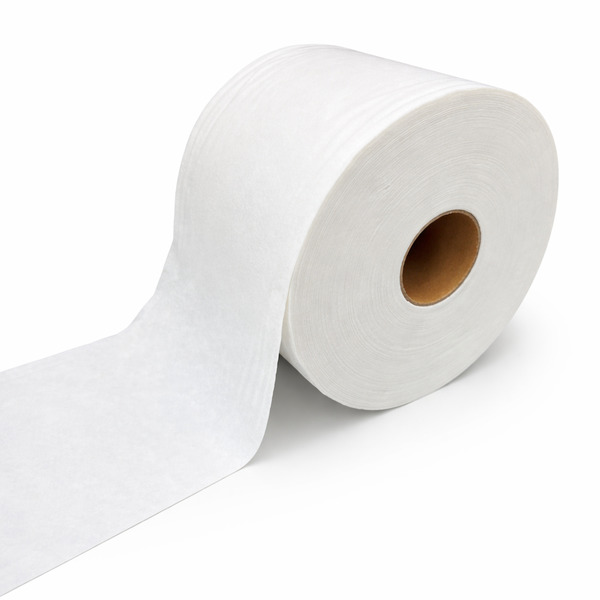
Nonwoven fabrics are engineered materials made directly from fibers bonded together by mechanical, chemical, or thermal processes, bypassing the traditional weaving or knitting. This allows for precise design of their properties.
Key Advantages (The Engineered Superiority):
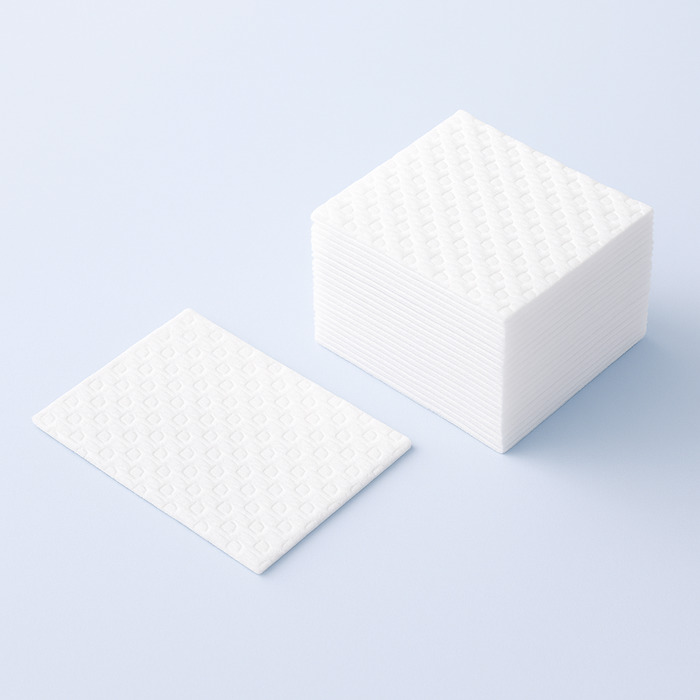
Designed for Capture and Retention:Nonwovens can be engineered with specific fiber deniers, densities, and embossed patterns. For instance, an Embossed Spunlace Floor Cloth With Wide Louver Pattern is not an aesthetic choice. The embossing creates a three-dimensional structure of peaks and valleys. The peaks provide scrubbing action, while the valleys create pockets to trap and lock away debris, preventing its redeposition.
Superior Absorbency & Release:Materials like wood pulp blends offer exceptional capillary action, wicking moisture and soil away from the floor efficiently. They also release dirt more easily into a laundry system, leading to a cleaner wash.
Hygiene by Design:The single-use application of disposable nonwovens is the ultimate guarantee against cross-contamination. A fresh, sterile sheet is used for each room or task, ensuring that the only thing applied to the floor is a clean tool. For reusable nonwovens, their less dense structure allows for easier cleaning and more thorough disinfection compared to cotton.
Ergonomic & Economic Efficiency:Lightweight and designed for use on flat mop systems, they reduce user fatigue. The time saved in preparation, cleaning, and bucket-water-changing is significant. While there is a per-unit cost, it must be weighed against the eliminated costs of laundry, energy, water, and, most importantly, reduced labor time.
Customization for Specific Needs:Nonwoven technology allows for the creation of specialized products. A Yellow Embossed S Shape Floor Wipe might be color-coded for use in specific risk areas (e.g., bathrooms) to prevent cross-contamination through procedural control. A Floor Wipe for High Traffic Areas would be engineered with a heavier weight and more aggressive texture to handle greater soil loads and abrasion.
The Sustainability Question: A Nuanced Perspective
The environmental argument against disposable wipes is often surface-level. A holistic Life Cycle Assessment (LCA) provides a more accurate picture:
Factor
Reusable Cotton Mop
Advanced Disposable Nonwoven
Production
High water/pesticide use for cotton.
Varies; can use recycled/sustainable fibers.
In-Use
Very high: water, energy, detergent for washing.
Very low: no water or energy for laundry.
End-of-Life
Landfill after many uses. Microplastic shedding.
Landfill after one use. Potential for composting.
Overall Impact
High recurring operational footprint.
Impact is centralized at production/disposal.
This analysis reveals that the constant hot water, detergent, and energy consumption of laundering cotton mops can generate a larger long-term ecological footprint than a responsibly produced disposable alternative. The most compelling development is the emergence of Degradable Wet Wipes. Made from sustainably sourced natural fibers like cellulose and wood pulp, and processed using technologies like spunlacing (which uses high-pressure water jets instead of chemical binders), these wipes offer high performance with a radically reduced environmental legacy. They break down significantly faster in landfill or can be industrially composted, addressing the primary end-of-life concern.
Synthesizing the Ideal Tool: A Performance Profile
The best thing to mop your floors with is not a single product, but a system defined by the following characteristics:
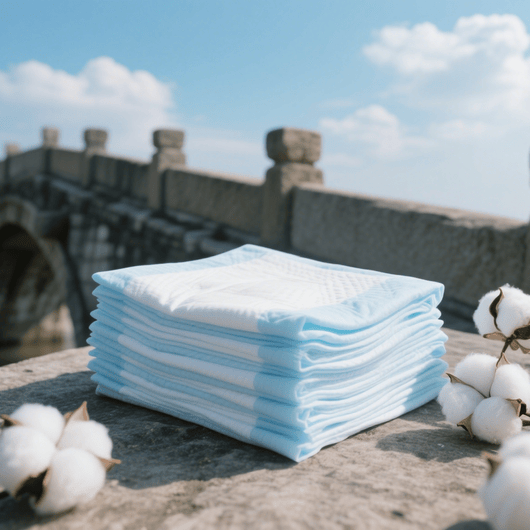
Material:A high-performance nonwoven fabric, ideally a spunlace material for its cloth-like durability and absorbency.
Design:Features an engineered embossed pattern (e.g., S-shape, wide louver) to mechanically scrub and trap soil, not just push it.
Hygiene Protocol:Employs a single-use, per-task or per-zone methodology to eliminate the risk of cross-contamination utterly.
Ergonomics:Is used with a lightweight, maneuverable flat mop system that reduces physical strain and increases cleaning speed.
Sustainability:Is constructed from renewable or recycled materials and is either highly durable for multiple laundry cycles or is designed to be Degradable after its single use, minimizing its post-use impact.
Innovation in this field is continuous, with industry leaders like Weston Manufacturing developing targeted solutions that meet these exacting criteria. Their products, such as the high-capacity Floor Wipes for High Traffic Areas or the precisely engineered Embossed Spunlace Floor Cloths With Wide Louver Pattern, exemplify this principle of designing tools around scientific cleaning objectives rather than convention.
For facilities managers and cleaning professionals seeking to elevate their hygiene standards, operational efficiency, and environmental stewardship, the evidence points unequivocally away from the traditional cotton mop. The future of floor cleaning is engineered, data-driven, and hygienically secure. To experience the tangible difference a scientifically designed system can make, a practical evaluation is invaluable. A free sample of these advanced cleaning tools can be requested for professional assessment at [email protected].