- Email: [email protected]


A practical guide to knowing which wipe does what — and why it matters more than most people think.
Walk down any cleaning aisle and you’ll see dozens of wipes that promise to clean, sanitize, or disinfect. The words sound interchangeable, but they aren’t. In fact, understanding what each one really means can change how effectively you protect your home, workplace, or facility.
Let’s strip away the marketing noise and look at the facts — simply, clearly, and scientifically.

Here’s the simplest way to think about it:
Cleaning means removing visible dirt, crumbs, grease, and debris from a surface. It doesn’t necessarily kill germs — it just takes them away physically.
Sanitizing reduces the number of bacteria on a surface to a safe level defined by public health standards. It’s about making an environment safe enough for everyday use.
Disinfecting goes further. It kills virtually all bacteria and viruses listed on the product label — including those that can cause illness.
You can clean without sanitizing, or sanitize without disinfecting. But for full hygiene control, these steps often work best together.
Sanitizers and disinfectants may look similar — they might even come in identical wipe packages — but their formulas serve different purposes.
Sanitizing wipes usually contain alcohol or quaternary ammonium compounds (known as “quats”) in lower concentrations. They’re designed to reduce bacteria quickly, often in 30 seconds or less.
Disinfecting wipes, on the other hand, are stronger and take more time. They might need to stay visibly wet on a surface for 3–10 minutes to fully kill bacteria and viruses. That’s called the dwell time, and it’s what gives disinfectants their germ-killing edge.
A true disinfectant will always carry an EPA registration number, which means it’s been tested and proven effective against specific pathogens. If you don’t see that number, you’re not looking at a disinfectant.
Think of sanitizing as your daily habit, and disinfecting as your targeted action.
| Situation | Best Choice | Why |
| After preparing food on your kitchen counter | Sanitizing wipes | Removes light germs, safe for food-contact surfaces |
| During flu or cold season | Disinfecting wipes | Kills viruses like influenza or coronavirus |
| Wiping down gym equipment | Sanitizing wipes | Reduces bacteria after every use |
| Bathroom handles and toilet seats | Disinfecting wipes | Targets high-risk germs |
| Office desks or shared electronics | Both | Sanitizing for routine, disinfecting weekly |
Using the right product at the right time saves money, protects surfaces, and keeps your cleaning routine efficient — not excessive.
A common misconception is that sanitizing wipes are somehow “weaker.” That’s not quite true. They’re simply optimized for a different goal.
For example, in food prep areas, a sanitizer that reduces bacteria by 99.9% is often sufficient — and safer to use where food touches the surface.
But in healthcare settings, or when someone in the house is sick, disinfection becomes critical.
That’s where products like Hospital Grade Sanitizing Wipes come in — designed to bridge that gap. They’re formulated to meet hospital-level hygiene standards while remaining practical for everyday commercial or industrial use.
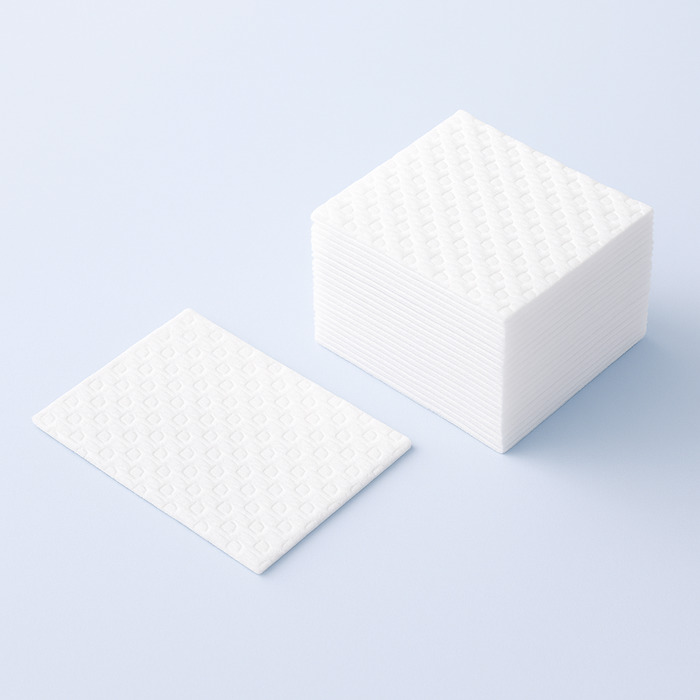
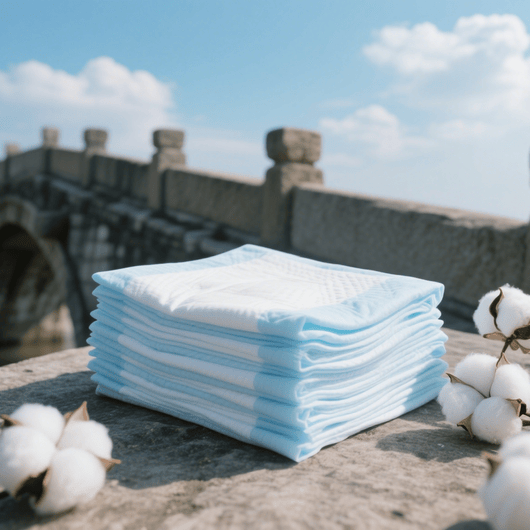
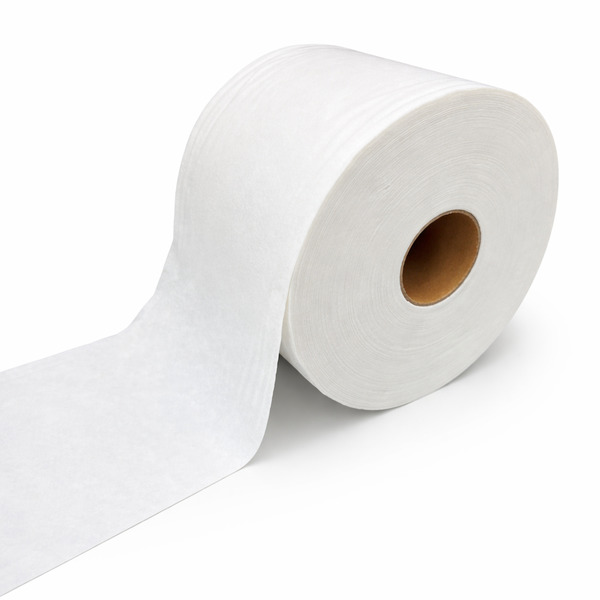
These wipes are made from high-strength nonwoven materials, which means they don’t shed lint and can hold more liquid without tearing. The texture of the nonwoven fabric helps lift dirt while ensuring even coverage of the disinfecting solution.
Let’s wipe away a few myths that cause confusion:
Myth 1: “If it smells strong, it must disinfect better.”
→ Not true. Fragrance has nothing to do with efficacy. Always check the label for EPA approval or claims against specific germs.
Myth 2: “One quick swipe is enough.”
→ Disinfectants need time to work. The surface must stay wet for the full contact time listed on the label.
Myth 3: “Sanitizing wipes can kill viruses.”
→ Not necessarily. Many sanitizers only reduce bacteria, not viruses. If you need viral protection, go for a disinfectant.
Myth 4: “Wipes are all made of the same material.”
→ Definitely not. High-quality wipes use industrial-grade nonwoven fabric, which offers better absorption, less lint, and stronger performance — especially when saturated with alcohol or disinfectant solutions.

As powerful as these products are, responsible use matters.
Here’s how to clean smarter, not harsher:
Follow the label’s wet time — don’t rush it.
Avoid mixing chemicals (for example, bleach and ammonia).
Store wipes in sealed containers to prevent drying out.
Choose Bucket Disinfectant Wipes In Stock that allow refill use — less packaging waste, more cost efficiency.
Opt for biodegradable or recyclable nonwoven materials when possible.
At Weston Manufacturing, our focus has always been on performance with purpose — developing wipes that deliver hospital-level hygiene without unnecessary harshness or waste.
While this article is about education first, it’s worth noting that Weston Nonwoven Manufacturing produces a wide range of both sanitizing and disinfecting solutions built for professional use.
Our Hospital Grade Sanitizing Wipes and Bucket Disinfectant Wipes In Stock are designed for healthcare facilities, food processing, and industrial cleaning environments — engineered to meet modern hygiene demands without compromising material integrity.
Each wipe is produced in an ISO-certified clean production environment, using spunlace nonwoven fabrics that balance absorption, strength, and softness. The result? Wipes that hold up under real-world use — not just in lab tests.
For businesses or distributors looking to test product performance firsthand, we offer free samples upon request.
Contact us anytime at [email protected] for sample inquiries or technical specifications.
You don’t need to be a scientist to understand surface hygiene — you just need to know what each wipe is meant to do.
Use sanitizing wipes for quick, everyday control.
Use disinfecting wipes when you need to eliminate pathogens.
Read the label, respect contact times, and choose products made with strong, reliable nonwoven materials.
Because in the end, real cleanliness isn’t about doing more — it’s about doing it right.
Weston Manufacturing continues to innovate practical, high-performance nonwoven wiping solutions that make every clean count — from home kitchens to hospital corridors.
WESTON
Privacy Policy | SiteMap
Copyright WESTON