- Email: [email protected]


Medical tape is a common yet essential tool in healthcare. It helps keep dressings, bandages, and medical devices in place. Despite its simple appearance, medical tape comes in many types, each designed for specific needs. Understanding these differences can make a big difference in comfort, safety, and effectiveness.
At its core, medical tape is an adhesive strip used to secure materials to the skin. Its purpose is not just sticking things in place but protecting wounds and supporting healing. There are several common types:
Paper Tape: Soft and gentle. Often used on sensitive skin or newborns. It has low adhesion and is easy to remove without pain.
Cloth or Fabric Tape: Durable and flexible. Ideal for areas that move a lot, like elbows or knees. Adhesion is moderate, enough to hold dressings securely.
Plastic or Polymer Tape: Strong and waterproof. Common in surgical settings or emergency situations. It sticks firmly but can be harder to remove.
Spunlace Nonwoven Tape: Made from hydroentangled fibers, soft and breathable. Balances adhesion with comfort, suitable for medical-grade applications.
Each type serves a unique purpose. Choosing the right one depends on skin sensitivity, location on the body, and the level of adhesion required.

Medical tape is more than a sticky strip. Its main functions include:
Holding wound dressings or gauze in place.
Securing IV lines, catheters, or medical devices.
Supporting minor injuries or providing light immobilization.
Keeping dressings sterile and preventing accidental removal.
Reducing friction or irritation on sensitive skin areas.
Correct tape choice ensures that these functions work effectively. Poor tape selection can cause discomfort, reduce adhesion, or even damage the skin.
Medical tape offers clear benefits in healthcare:
Skin Safety: Many tapes are hypoallergenic and reduce irritation. Paper and spunlace nonwoven tapes are especially gentle.
Flexibility: Cloth and nonwoven tapes move with the body. They are less likely to peel off on joints or active areas.
Breathability: Some tapes allow air circulation, which helps wounds heal faster.
Hygiene: Single-use tapes minimize infection risk, an essential factor in hospitals or clinics.
These features make medical tape not just practical but a key part of wound care and patient comfort.
No product is perfect, and medical tape has limitations:
Skin Sensitivity: Strong adhesives can cause rashes or allergic reactions.
Residue: Some tapes leave sticky marks, especially on hair or delicate skin.
Single-Use Limitation: Most tapes are designed for one-time use to prevent contamination.
Water Resistance: Paper or fabric tapes lose adhesion when wet, limiting their use in showers or humid conditions.
Being aware of these drawbacks helps in choosing the right tape and avoiding skin damage.
Selection should consider the patient, the environment, and the task:
Sensitive Skin: Paper or soft nonwoven tapes reduce irritation.
High-Movement Areas: Cloth or flexible nonwoven tapes prevent peeling.
Wet or Humid Conditions: Plastic or waterproof tapes maintain adhesion.
Medical-Grade Use: Spunlace nonwoven tapes combine adhesion, softness, and breathability for hospitals and clinics.
Matching tape type to use ensures both safety and effectiveness.
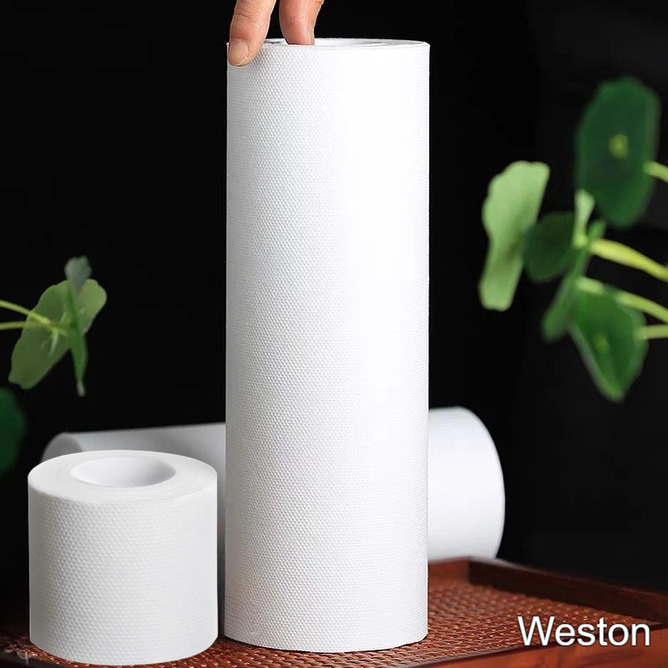
For professional and home-care use, Weston Manufacturing Medical Grade Spunlace Tape offers a reliable solution. It is made from hydroentangled spunlace nonwoven fabric, giving it a soft, breathable texture that is gentle on the skin.
This tape provides secure adhesion without irritation. It holds dressings firmly even on moving areas, while remaining comfortable for sensitive skin. Its design balances durability with flexibility, making it suitable for hospitals, clinics, and home care. Compared to paper or cloth tapes, it offers stronger adhesion, better comfort, and fewer residues.
For anyone seeking a high-quality medical tape, Weston Manufacturing Medical Grade Spunlace Tape delivers performance and safety in one simple product.
WESTON
Privacy Policy | SiteMap
Copyright WESTON