- Email: [email protected]


The meltblown technique is one of those industrial technologies that quietly powers countless products around us—from medical masks to high-efficiency air filters—yet remains invisible to most people. It’s simple enough to explain in a sentence but rich enough to influence global filtration, safety, and clean-air engineering. Let’s explore what meltblown really is, how it works, and why its role is far more important than many imagine.
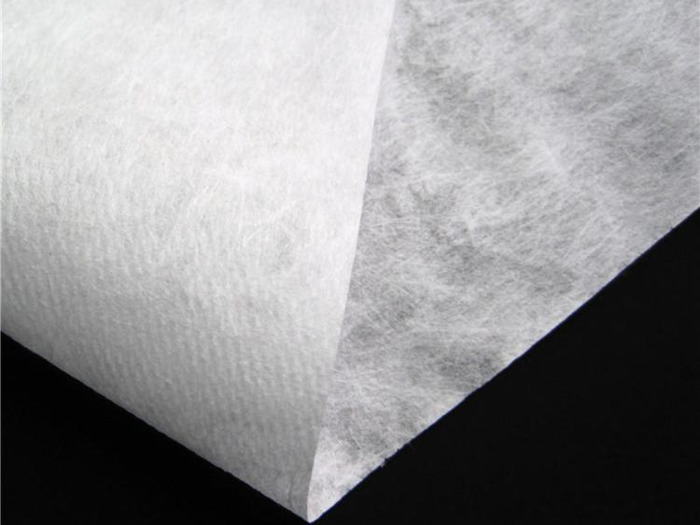
At its heart, meltblown is a fiber-forming process that uses high-velocity hot air to stretch molten polymer into extremely fine fibers. When those fibers land as an interconnected web, they create an airy, porous, lightweight material with powerful filtration and absorption properties.
If you picture molten plastic being blown into strands thinner than hair, forming a soft cloudlike layer, you’re already close to understanding meltblown.
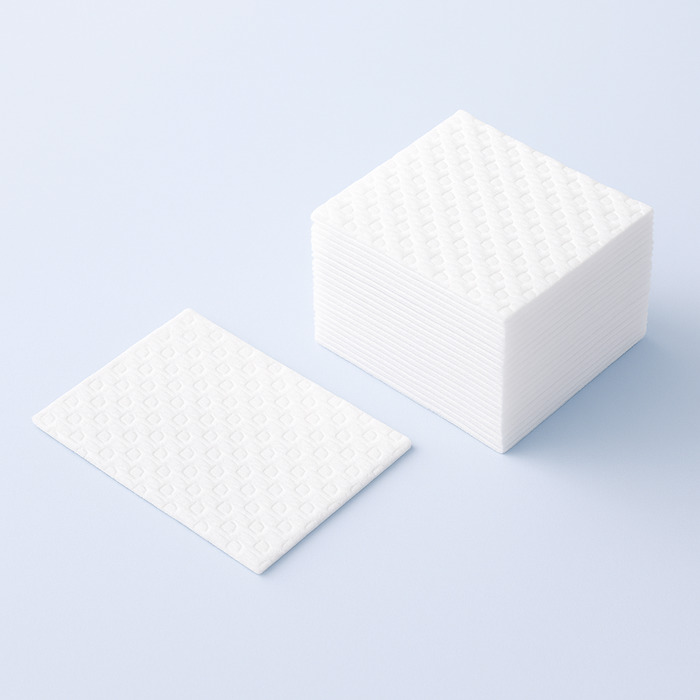
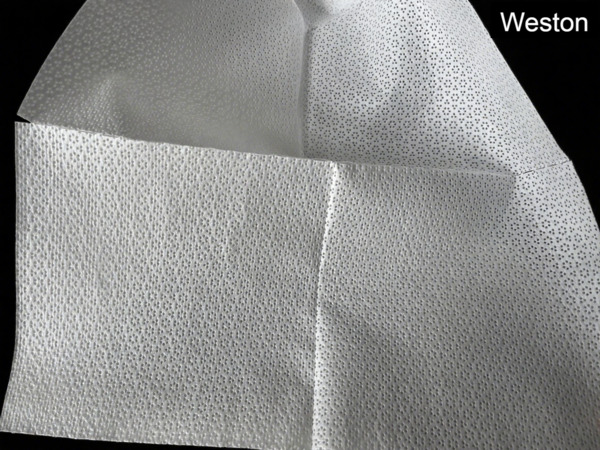
This unique structure is the foundation of bold filtration efficiency, which is why meltblown sits at the center of so many critical modern materials—especiallyMeltblown Nonwoven Filter Fabric widely used across healthcare and industrial sectors.
The entire process is engineered for precision, but the sequence is surprisingly intuitive once broken down.
The process begins when polymers like polypropylene (PP) are heated until they reach a perfectly controlled molten state. The polymer must be fluid enough to stretch but stable enough to maintain structural integrity—a small engineering detail that dramatically affects final fiber quality.
The molten polymer is pushed through a spinneret filled with micro-nozzles. Each nozzle forms a single fiber stream, and the number of nozzles determines output and web uniformity. This is where fiber birth happens.
From both sides of the spinneret, extremely hot, high-speed air jets blast the molten threads. These air streams stretch the polymer rapidly, reducing the fiber diameter from millimeters to microns within milliseconds.
This is the defining moment of meltblown—its signature mechanism for achieving ultra-fine fibers.
The fiber “mist” settles on a collector belt as a random, entangled web. This controlled randomness is exactly what gives meltblown materials:
a large surface area
superior filtration capability
excellent absorbency
cloud-light weight
In many high-filtration applications, meltblown is electrostatically charged to enhance particle capture. Sometimes it’s layered between spunbond sheets to form SMS structures—combining durability with filtration power.
Meltblown isn’t just another nonwoven. It delivers qualities that traditional textiles, paper, or even other engineered fabrics can’t match.
Fibers often measure just 1–3 microns—far thinner than human hair. This dramatically increases surface area.
Meltblown captures particles through mechanical entrapment and electrostatic attraction. That makes it essential for:
medical masks
respirators
HEPA and ULPA filters
automotive cabin filters
Its porous architecture readily absorbs oil and fluids, making it ideal for industrial cleanup materials and degreasing wipes.
Despite its power, meltblown webs feel soft and almost weightless. This is critical for wearables like masks and hygiene products.
Once a production line is tuned, meltblown can be manufactured with impressive throughput.
These advantages—together—explain why meltblown became globally recognized during the pandemic, and why it continues to be strategically important today.
A complete understanding means acknowledging the limitations too:
Thin fibers mean meltblown alone can be fragile. It often requires combination layers (e.g., SMS structures).
Electrostatic charge can weaken over time in high-moisture environments, reducing filtration efficiency.
Uniform fiber diameter and airflow stability require precise control. Small deviations can affect performance.
Since polypropylene is the primary raw material, price swings can affect meltblown production costs.
True high-efficiency meltblown lines require deep engineering expertise—not every factory can produce medical-grade material.
While these limitations exist, most are addressed through multilayer structures, charging technology, and process optimization.
Meltblown shows up in more places than most people realize. It’s quietly embedded in industries that depend on high-efficiency filtration, delicate fluid management, or ultra-fine fiber properties.
Surgical mask filtration layers
N95/KN95 respirator cores
Disposable gowns and drapes
HEPA/ULPA filters
HVAC systems
Industrial dust collection
Water purification layers
Degreasing wipes
Oil-absorbent pads
Battery separators
Insulation materials
Vacuum filters
Kitchen absorbents
Household cleaning wipes
Each of these relies on meltblown’s unique combination of fineness, porosity, and absorbency.
Understanding meltblown becomes easier when compared with another major nonwoven process—spunbond.
| Feature | Spunbond | Meltblown |
| Fiber Diameter | Larger | Ultra-fine |
| Strength | High | Lower |
| Structure | Strong, gridlike | Soft, airy |
| Best For | Structural layers | Filtration & absorbency |
| Typical Combination | SBS, SMS | Middle functional layer |
This is why meltblown often appears as the functional heart of multilayer technical fabrics.
Demand for clean air, safe environments, and efficient filtration keeps rising worldwide. Meltblown has become a foundational material in advanced manufacturing, environmental protection, and personal safety. Engineers, supply-chain planners, and manufacturers increasingly treat meltblown capacity as a strategic asset.
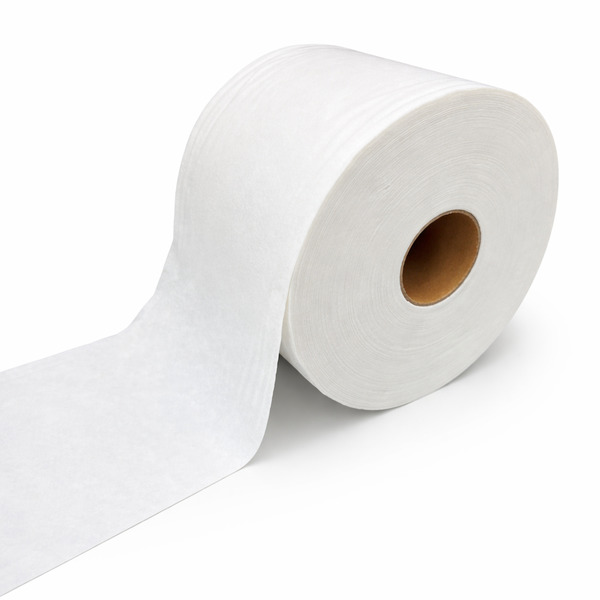
Factories like Weston Manufacturing, which specialize in high-performance nonwoven processes, continue developing stable, uniform meltblown webs—including Meltblown Nonwoven Filter Fabric—to meet next-generation filtration and industrial needs. Businesses can request guidance or free samples by reaching out to [email protected] for technical support.

WESTON
Privacy Policy | SiteMap
Copyright WESTON