- Email: [email protected]


Hospitals are controlled environments, but they are also unpredictable. Patients sweat, bleed, move, recover, and sometimes lose control of bodily functions. In that reality, protecting the bed is not a minor detail—it is a basic requirement for safety, hygiene, and operational efficiency. Waterproof hospital bed pads exist for that reason: not to impress, but to quietly solve real problems that appear every day in clinical care.

Hospital mattresses are expensive, difficult to disinfect thoroughly, and designed for long-term use. Once liquid penetrates the mattress surface, it becomes almost impossible to eliminate internal moisture and bacteria completely.
Waterproof bed pads act as a barrier layer between the patient and the mattress. They intercept fluids before damage occurs, reducing contamination risks and extending mattress lifespan. This is especially important in high-rotation wards where mattresses are used by multiple patients over short periods.
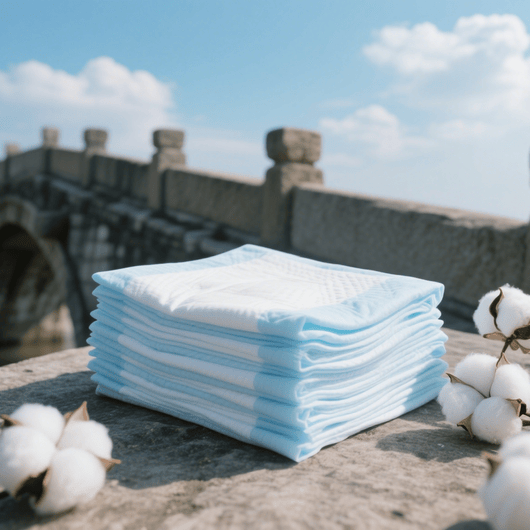
A standard waterproof hospital bed pad is not a single material but a layered structure, each layer serving a clear function:
Top layer: Soft, skin-friendly surface for patient contact
Middle layer: Absorbent core to lock in fluids
Bottom layer: Waterproof barrier preventing liquid penetration
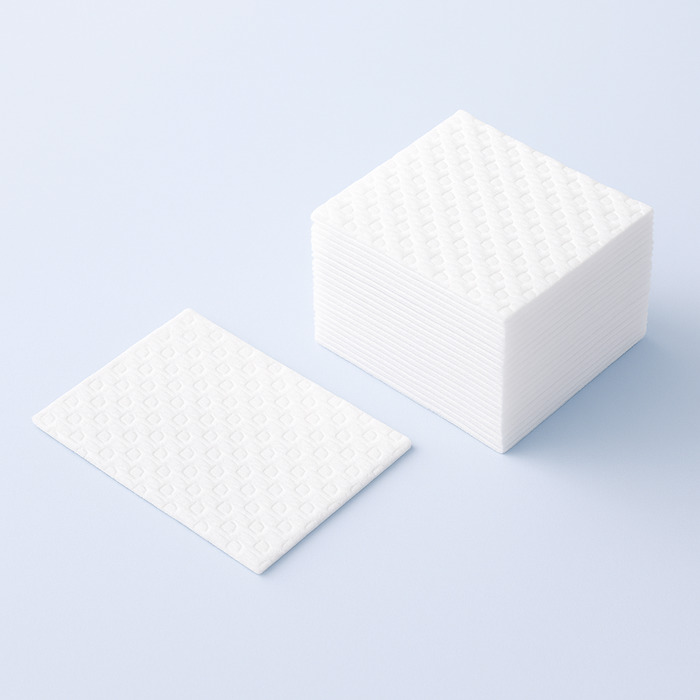
Modern pads often rely on nonwoven fabrics for the top layer because they provide softness without compromising strength. Hydroentangled nonwoven structures, commonly used in Waterproof Hospital Bed Pads, are valued for their uniform fiber bonding and low linting behavior.
Moisture is one of the main contributors to bacterial growth. When bodily fluids remain trapped in bedding or mattresses, they increase the risk of cross-contamination.
Waterproof pads help by:
Isolating fluids immediately
Reducing exposure to pathogens
Supporting hospital infection-control protocols
This role is preventive rather than reactive. The pad stops problems before they become visible.
Patients confined to bed for long periods are vulnerable to skin irritation and pressure injuries. Wet surfaces accelerate these risks by weakening skin integrity.
By keeping the bed surface dry, waterproof pads:
Reduce prolonged moisture contact
Help maintain stable skin conditions
Improve overall patient comfort
Contrary to outdated assumptions, waterproof does not automatically mean stiff or uncomfortable. Advances in nonwoven technology allow pads to remain flexible and quiet during movement.

Frequent full bedding changes require time, labor, and physical effort. Waterproof bed pads allow caregivers to address localized incidents quickly.
Practical advantages include:
Faster cleanup after spills
Fewer complete linen replacements
Reduced workload during peak shifts
This efficiency matters most in emergency rooms, ICU settings, and long-term care facilities where staff time is limited.
Waterproof hospital bed pads are useful, but they are not a complete solution on their own.
Key limitations include:
They do not replace proper mattress covers
Poor-quality pads may trap heat or reduce breathability
Single-use pads increase medical waste if not managed responsibly
Choosing the wrong material or construction can create discomfort rather than relief. Performance depends heavily on design and raw material selection.
Waterproof pads are routinely applied in:
Post-surgical recovery beds
Maternity wards
Geriatric and long-term care units
Rehabilitation and mobility-restricted care
Their use reflects everyday clinical needs rather than extreme medical cases.
Material quality determines how a waterproof pad performs under pressure, moisture, and repeated movement. Nonwoven fabrics are widely used because they balance absorbency, durability, and softness.
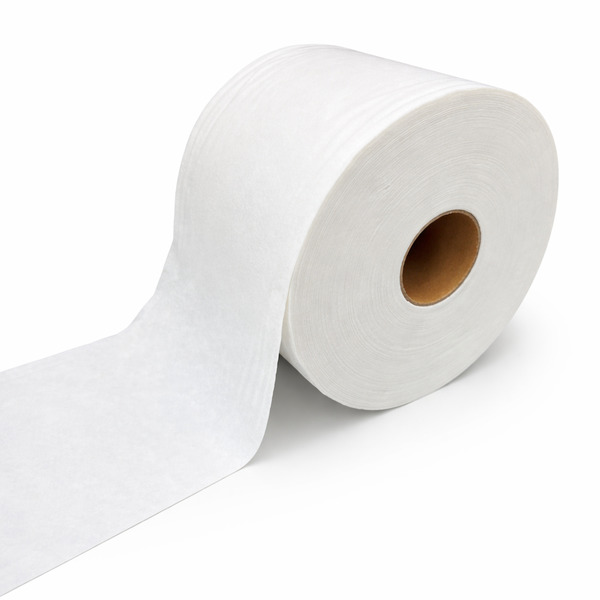
Spunlace nonwoven materials, produced through hydroentanglement rather than chemical bonding, are commonly selected for medical bedding surfaces. Manufacturers such as Weston Manufacturing supply spunlace nonwoven substrates used in Waterproof Hospital Bed Pads, offering consistent fiber distribution and reliable surface performance without unnecessary complexity.
This integration often goes unnoticed by patients, which is precisely the point.
Hospitals increasingly evaluate products based on both performance and sustainability. Reusable pads reduce waste but require strict laundering protocols. Disposable pads offer convenience but depend on responsible material sourcing.
Nonwoven manufacturers play a quiet but important role here by developing materials that balance performance with resource efficiency.
While waterproof bed pads are a clinical necessity, their effectiveness depends on upstream material quality. Nonwoven suppliers such as Weston Manufacturing focus on producing spunlace fabrics suitable for medical bedding applications, supporting stable supply chains rather than consumer-facing branding.
For procurement teams or product developers seeking material evaluation, free sample inquiries can be directed to:[email protected]
Waterproof hospital bed pads rarely receive attention, yet they influence hygiene standards, patient comfort, staff efficiency, and equipment longevity every day. Their value lies not in innovation headlines, but in consistent performance under real-world conditions.
Understanding their purpose is less about marketing and more about recognizing how simple protective layers support modern healthcare systems quietly and effectively.
WESTON
Privacy Policy | SiteMap
Copyright WESTON