- Email: [email protected]


Wet wipes are convenient. They feel clean, soft, and easy to use. But when you look closer, especially during travel or outdoor trips, they are not always the best choice. They are often heavy, create waste, and are not as practical as they seem.
This article explains simple, realistic alternatives to wet wipes for adults. The goal is not to exaggerate, but to help you stay clean in a lighter, smarter, and more sustainable way.
Wet wipes contain a large amount of water. This means:
You are carrying extra weight that cannot be reused
A single pack can weigh over 400–500 grams
The moisture inside cannot be used for anything else
In addition, many wipes labeled “biodegradable” do not break down quickly in real conditions. In dry, cold, or low-oxygen environments, they may stay in the ground for a long time.
Because of this, many experienced users suggest reducing reliance on wet wipes rather than carrying more of them.
A simple but important concept is:
You do not need to carry pre-wet products. You only need water and something to wipe with.
This idea helps solve two problems at the same time:
Reduces weight
Improves flexibility
Instead of carrying water inside wipes, you use the water you already have.
Dry wipes are one of the easiest replacements.
Examples include:
Compressed towels (expand with water)
Dry baby wipes
Paper towels
How to use:
Add a small amount of water before use
Adjust moisture based on need
Advantages:
Very lightweight
Easy to control usage
Suitable for both face and body
This method follows a common suggestion: carry dry material, and add water only when needed.
A bottle bidet is a small attachment for a water bottle. It allows you to clean using a gentle stream of water.
How it works:
Fill a bottle with water
Use the nozzle to rinse
Use minimal wiping afterward
Advantages:
Uses less material
Provides better hygiene
Reduces waste significantly
Limitations:
Requires some practice
Water temperature may be uncomfortable in cold environments
Even with these limits, this is one of the most efficient and lightweight solutions available.
A small microfiber towel can replace many wipes.
Uses:
Face cleaning
Body wiping
Drying after washing
Why it works:
Absorbs water efficiently
Can be reused multiple times
Dries quickly
With a small amount of water and optional mild soap, it can provide a full basic cleaning routine.
Toilet paper can still be used, but in smaller amounts.
Better approach:
Use water first
Use paper only for drying
Important note:
In many environments, toilet paper must be packed out
It does not always decompose quickly
Reducing use is both practical and environmentally responsible.
Reusable cloth wipes are another option.
Features:
Washable and durable
Used with water or light cleaning solution
Advantages:
No disposable waste
Very lightweight over long trips
Challenges:
Requires storage of used cloths
Not comfortable for everyone
This option is best for users who prioritize sustainability.
Different areas need different care.
Face:
Use a clean cloth or towel with water
Body:
Use a towel or light washing method
Hygiene areas:
Use water-based cleaning, followed by minimal drying
Keeping tools separate improves hygiene and reduces risk of contamination.
Simple adjustments can make a big difference:
Do not carry full packs of wipes
Estimate actual usage and bring only what is needed
Choose multi-purpose items (one cloth instead of many wipes)
Avoid carrying unnecessary moisture
These steps reduce both pack weight and waste.
Wet wipes are often misunderstood.
Key facts:
“Flushable” wipes can clog systems
“Biodegradable” wipes require ideal conditions to break down
In many outdoor areas, all waste must be packed out
Using less disposable material helps protect the environment and reduces impact on shared spaces.
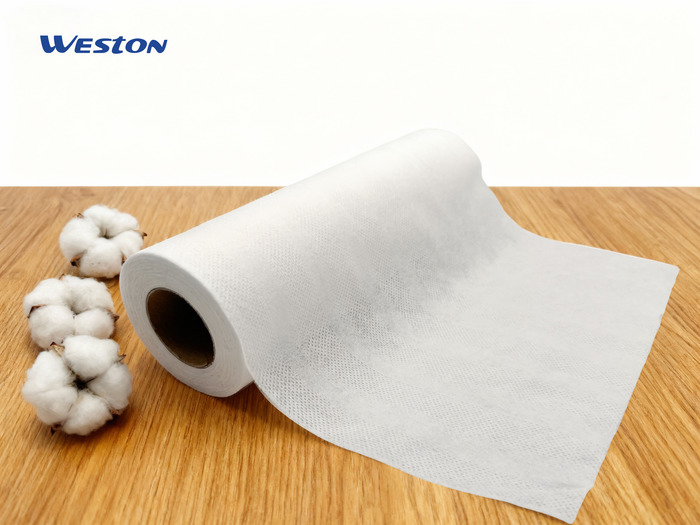
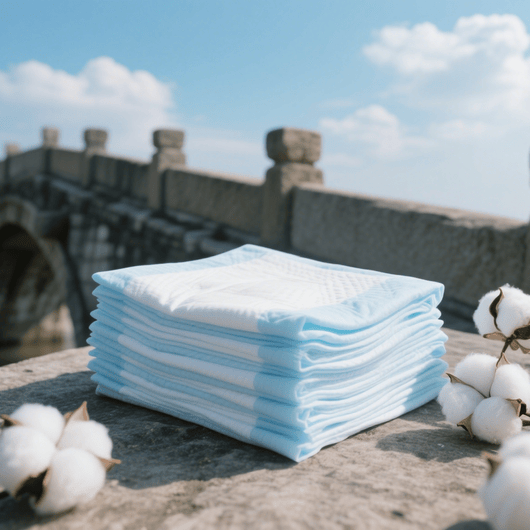
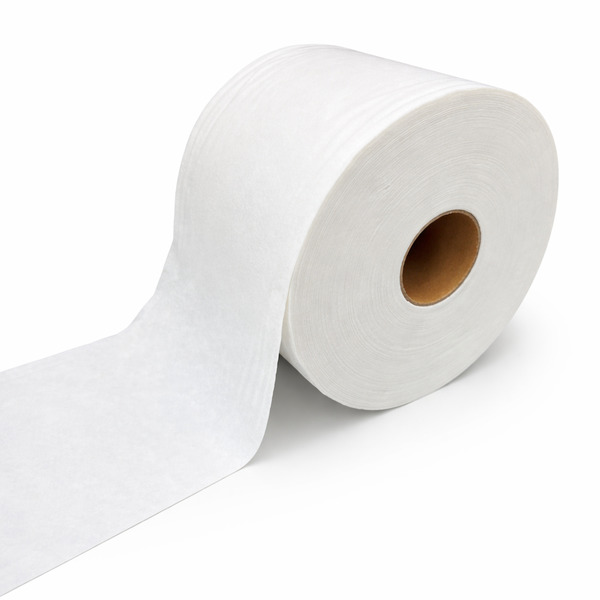
While reducing wet wipe use is helpful, the material itself still matters. High-quality nonwoven fabrics can improve cleaning efficiency and reduce the number of wipes needed.
For example, Weston Manufacturing Nonwoven Fabric For Premium Wet Wipes focuses on durable, absorbent structures. Materials like this are designed to:
Hold moisture effectively
Provide better cleaning with fewer sheets
Improve overall user experience
This shows that both how you clean and what you use are important.

A practical setup for adults could include:
One water bottle (multi-use)
One small microfiber towel
A few dry wipes or compressed towels
Optional small amount of soap
This setup is:
Lightweight
Flexible
Easy to manage over multiple days
Wet wipes are convenient, but they are not always efficient. They add weight, create waste, and often do not perform as well as expected in real conditions.
Better alternatives focus on a simple idea:
Use water as the main cleaning tool, and keep materials light and minimal.
By combining water, reusable cloth, and a small amount of dry material, you can stay clean while carrying less.
This approach is practical, realistic, and suitable for everyday use as well as travel.
WESTON
Privacy Policy | SiteMap
Copyright WESTON