- Email: [email protected]


Microfiber technology has become the dominant textile engineering standard in automotive cleaning, but choosing the best type requires more than simply selecting a soft cloth. Cars present a unique set of scientific challenges: clear-coat vulnerability, hydrophobic coatings, glass reflectivity, and interior polymers that react differently to friction and moisture. This article explains, from a materials-science and surface-physics perspective, what type of microfiber cloth truly performs best, and why engineering details—fiber diameter, split structure, weave, and GSM—directly influence the safety and quality of automotive care.

Microfiber fibers measure below one denier, forming thousands of micro-channels that increase surface area and enhance capillary action. This allows the cloth to lift and encapsulate dirt rather than dragging it across paint.
The splitting of fibers creates sharp, microscopic edges that trap particles and absorb oils—a science-based mechanism fundamentally different from cotton or generic synthetics. Because modern clear coats average 35–50 microns in thickness, the absence of scratching force is crucial; microfiber’s reduced friction coefficient plays a direct protective role.
To understand why microfiber is widely recommended, it is useful to compare its measurable behaviors with other materials frequently found in garages, car washes, and cleaning facilities.
| Property / Material Type | Microfiber Cloth | Cotton Cloth | Generic Polyester | Paper Wipes | Bamboo Charcoal Spunlace Material | Oil Absorbent Spunlace Nonwoven Material |
| Dirt Trapping Ability | Excellent (split fibers encapsulate debris) | Low (pushes debris) | Moderate | Very Low | High (porous charcoal structure) | High (engineered oil absorption channels) |
| Risk of Scratching Paint | Minimal | Moderate to High | High | High | Low | Low |
| Oil Absorption | High | Low | Low | Low | Moderate | Very High |
| Water Absorption | High | Moderate | Low | Low | High | Moderate |
| Lint Shedding | Very Low | Moderate | High | High | Low | Low |
| Best Use Case | Exterior paint, drying, glass, finishing | Interiors only | General basic cleaning | One-time spills | Deodorizing interiors, light dusting | Engine bay cleaning, oil removal |
Microfiber clearly demonstrates superior mechanical performance for sensitive automotive surfaces, but Bamboo Charcoal Spunlace Material and Oil Absorbent Spunlace Nonwoven Material are helpful additions in more specialized tasks. Nonetheless, when the goal is preventing micro-marring on paint, microfiber remains the highest-performing textile.
Not all microfiber is engineered equally. The answer to “What type is best for a car?” depends on a few scientifically measurable variables.
Split fibers grip contaminants through fine capillary pathways. For car use, high-ratio split microfiber is preferred because it lifts abrasive particles from the clear coat.
Best For: Waterless washing, detailing, buffing wax or coatings.
GSM determines density and plushness.
High GSM (150–300+) → ideal for exterior paint because it offers deeper pile and safer debris encapsulation.
Medium GSM (700–120) → versatile for interiors and routine wipe-downs.
Low GSM (20–50) → best for glass due to increased control and reduced streaking.
Tall pile reduces scratch risk by burying contaminants. Short pile provides precision.
Each weave addresses a different automotive requirement:
Terry Weave: High-pile softness for paintwork.
Waffle Weave: Superior water extraction for drying and glass.
Pearl Weave: Tight control for dashboards and interior plastics.
Twisted Loop: Extreme drying capability through superior moisture channels.
Edgeless Design: Minimizes scratch potential from stitched borders.
These engineering decisions create significant differences in performance, durability, and safety.
Paintwork is the most scratch-sensitive area of a vehicle, so the best microfiber for exterior tasks combines high GSM, split fibers, and high pile density.
Debris encapsulation: Prevents hard particles from contacting paint.
Low friction glide: Reduces micro-marring.
Cushioning effect: Protects clear coats during pressure changes.
High GSM / high-pile microfiber
Ultrasonic edgeless cut
Split microfilament design
Plush terry or twisted-loop weaves
These versions of Microfiber Towels For Cars offer the least risk and the highest finishing performance.
Glass requires tight control, not plush cushioning.
Tight-weave or waffle-weave microfiber
Low GSM
Short pile
Scientific Reason:
High contact-point density removes oils and moisture without creating streaks or pressure ridges.
Interior surfaces—including leather, textured panels, touchscreens, and steering wheels—favor short-pile designs.
High precision for crevices and buttons
Controlled product distribution
Reduced linting
Enhanced tactile feedback
A pearl-weave or low-pile terry microfiber is ideal, offering excellent dust capture without oversaturation.

Stable fiber diameter ensures predictable movement over paint.
Proper thermal treatment prevents hardening, shrinkage, or fiber memory damage.
Laser-cut and ultrasonic-cut edges eliminate one of the most common sources of scratches: seam friction.
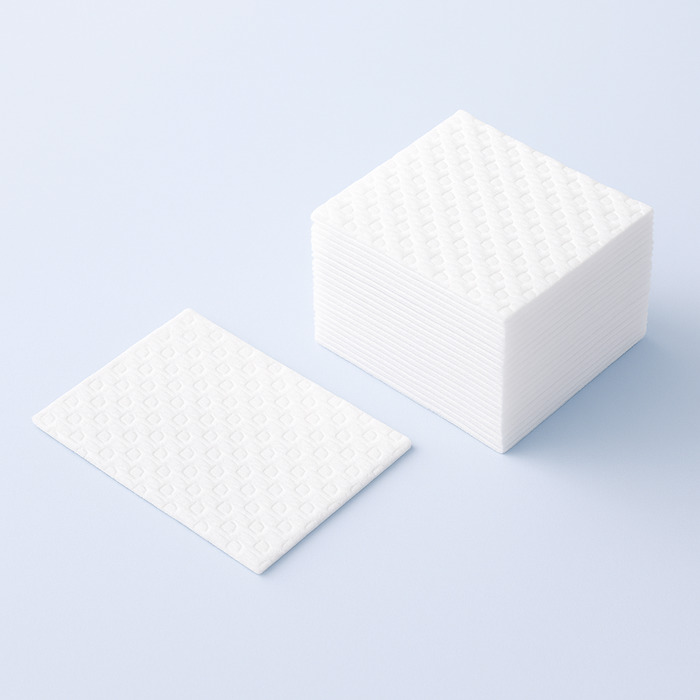
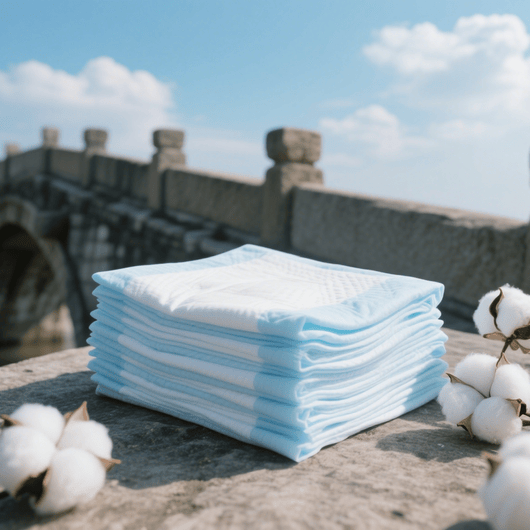
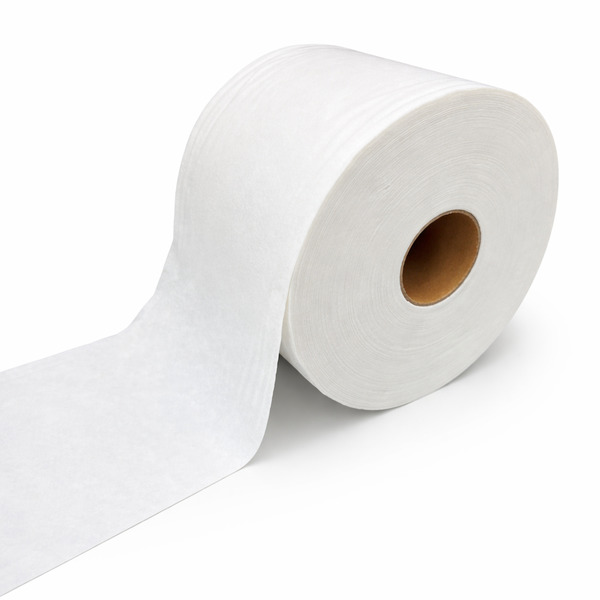
Weston Manufacturing develops microfiber and spunlace materials engineered with controlled microfilament geometry and optimized textile density. Its research-driven approach ensures performance stability for automotive cleaning tasks, from exterior washing to interior detailing. For specialized applications, products made with Bamboo Charcoal Spunlace Material and Oil Absorbent Spunlace Nonwoven Material provide additional functional benefits while complementing traditional microfiber systems.
For bulk buyers requiring free samples, contact: [email protected].
The best type of microfiber cloth for a car isn’t a single item—it is a system of weaves, densities, and fiber geometries matched to specific surfaces. High-pile microfiber protects paint, low-pile microfiber perfects glass and interior plastics, and advanced microfiber engineering ensures both safety and professional-grade results. Understanding the underlying science allows car owners and automotive procurement professionals to select the right textile for every task, ensuring long-term vehicle protection with confidence.
WESTON
Privacy Policy | SiteMap
Copyright WESTON