- Email: [email protected]


The question of cotton purity in consumer pads invites a nuanced examination that spans material science, manufacturing processes, safety considerations, environmental impacts, and consumer interpretation. To answer rigorously, we must define what “pure of cotton” means, how cotton content is measured, and how additional design choices influence both performance and perception. This piece advances beyond surface labels, grounding claims in fiber properties, processing steps, and real-world usage.
Pure cotton in a pad context can refer to the dominance of cotton fibers in the symptomatic structure of the product. Cotton fibers are primarily cellulose, with a distinct microstructure characterized by long, flexible fibrils and a high surface area. Purity, in practical terms, encompasses the fraction of cotton fibers relative to all solid constituents in the pad, including non-cotton fibers, binders, and interlayers. However, cotton purity is not a binary attribute; it exists along a spectrum determined by the presence of seed remnants, waxes, and processing aids that accompany cotton during cultivation and manufacturing. Therefore, a robust assessment of purity requires explicit specifications: fiber content percentages, the nature of any non-cotton components, and the methods used to verify content. The botanical origin—Gossypium species—and fiber maturity influence how cotton behaves in a pad, including strength, absorbency, and comfort.
The journey from raw cotton to a final pad involves multiple stages where purity signals are created or altered. Cleaning, carding, combing, and spinning align individual fibers into a coherent web; subsequent bonding, whether via thermal, mechanical, or chemical means, consolidates the structure. Each step carries the potential to introduce or remove non-cotton elements. For example, synthetic binders or polymer interlayers can enhance tensile strength and barrier properties but diminish the cotton-matter fraction. Finishing treatments—softening agents, anti-odor chemistries, and dyes—also influence the perceived purity and measurable content. Analytical techniques such as microscopy to observe fiber morphology, Fourier transform infrared spectroscopy to identify functional groups, and elemental analysis to quantify inorganic content collectively provide a rigorous picture of the pad’s composition. These methods reveal whether a pad’s solid mass is predominantly cellulose from cotton or a composite dominated by other materials.
The core performance drivers for pads are absorbency, tensile strength, softness, and breathability. Cotton’s natural capillarity and fiber structure contribute to absorbency and comfort; yet, a high-purity cotton pad may underperform if structural integrity requires non-cotton components. Conversely, non-cotton additives can improve leakage resistance, reduce fiber shedding, or enable thinner profiles, but at the cost of lower cotton content. The relationship between purity and hypoallergenic properties is not straightforward. Some non-cotton components may be hypoallergenic or even biocompatible, while certain cotton processing residues or finishing agents can provoke irritation in sensitive individuals. A practical framework considers both the measured cotton content and the presence of any residual chemicals, dyes, or finishing agents that could affect skin compatibility.
Purity claims do not automatically ensure skin safety. Cotton fibers themselves are natural, but residual processing chemicals—solvents, lubricants, and detergents used during textile processing—can remain on fibers if not adequately removed. Even natural cotton can carry dust, pollen fragments, or microbial residues if not properly cleaned and dried. Skin compatibility depends on a combination of cotton content, processing hygiene, and finishing chemistry. Regulation and standardization (conceptually, without citing specific certificates) guide manufacturers to minimize irritants and harmful residues while ensuring materials meet safety thresholds for consumer products. The skin microbiome responds to moisture, warmth, and contact duration; thus, how a pad handles moisture and breathability—both influenced by non-cotton components—affects comfort and potential irritation.

Cotton purity interacts with lifecycle factors. Growing cotton typically requires substantial water, energy, and agricultural inputs; thus, pads with high cotton content may raise questions about sustainability if sourced from conventional cotton. However, cotton purity can align with eco-friendly goals when combined with responsible cultivation, recycled or reclaimed materials, and sustainable finishing chemistries. Lifecycle considerations include raw-material sourcing, processing energy, chemical use, and end-of-life disposal. The environmental advantages of high cotton content depend on the broader supply chain, including whether fibers are sourced via regenerative farming practices and whether the product design supports recyclability or compostability where feasible. Innovations in fiber cleansing and bonding chemistries demonstrate that purity and sustainability are not mutually exclusive, but they require transparent, traceable manufacturing practices.
When evaluating “pure cotton” claims, consumers should translate scientific findings into actionable criteria. Indicators of material integrity go beyond branding: fiber texture, uniformity, visible structure, and moisture behavior offer practical cues. A pad with high cotton content might feel soft and breathable; yet, the absence of certain non-cotton components does not automatically guarantee superior comfort or safety, as finishing agents and moisture handling also matter. A critical reading framework helps readers assess material science rather than rely on marketing impressions. In daily use, comfort, fit, and perceived dryness result from an interplay of cotton content, layering, and moisture management strategies, rather than a single metric of purity.
Manufacturers evaluate cotton purity through sampling strategies that reflect production variability. Transparent methodology for measuring fiber content—such as standardized digestion or solvent-based separations, followed by quantitative analyses—builds consumer trust. The batch-to-batch variability must be acknowledged, as even products with high average purity can exhibit fluctuations that affect performance. Product design choices, including texture, thickness, and layered architecture, interact with cotton content to determine absorbency and leakage resistance. While explicit certifications can simplify interpretation, a clear, well-documented testing approach supports robust claims about cotton purity and its relationship to safety and performance.
Purity is a meaningful attribute when understood in context. The best assessment of a pad’s quality integrates cotton content with safety metrics, performance characteristics, and environmental considerations. In many scenarios, higher cotton content may align with comfort and biodegradability goals, but optimal designs often balance cotton with strategically chosen non-cotton components to achieve required barrier properties, strength, and moisture management. A nuanced view recognizes that purity is not the sole predictor of safety, sustainability, or user satisfaction; it is one dimension among several that define a pad’s material identity.
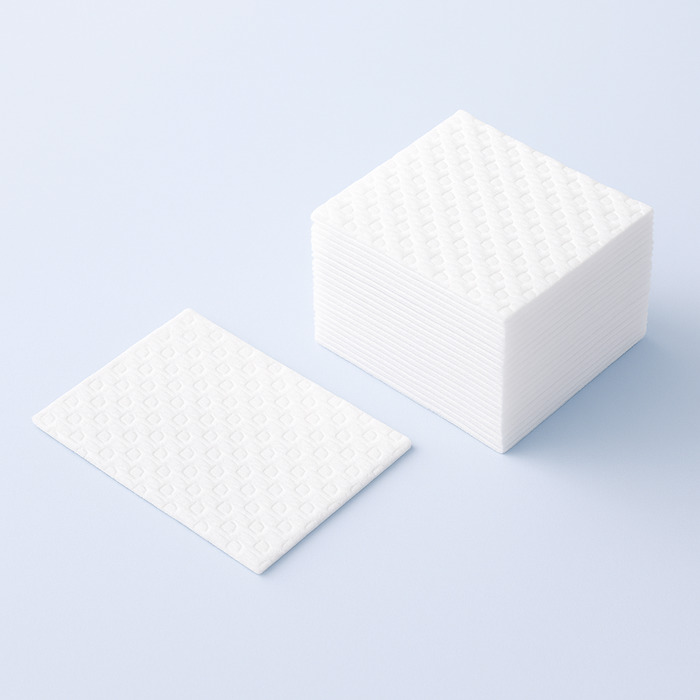
For readers who appreciate concrete product references, consider Organic Cotton Pads, Eye Makeup Remover Pads, and Travel Sized Makeup Remover Pads as contextual examples of how cotton content can be embedded in design, usage, and packaging narratives. Inquiries about samples can be directed to the sender’s designated contact channel: [email protected].
WESTON
Privacy Policy | SiteMap
Copyright WESTON