- Email: [email protected]


To resolve the puzzle of “dirty floors post-mopping,” we must first delve into the microscopic interactions between dirt, floor surfaces, and cleaning tools. This is not a simple case of “incomplete wiping” but a complex interplay of physical and chemical forces that trap contaminants—often invisible to the naked eye.
Household dirt is a heterogeneous mixture of three key components, each with unique adhesion behaviors:
Inorganic particles: Dust (0.1–10 μm), sand, and mineral residues from shoe soles, which adhere to floors via Van der Waals forces (intermolecular attraction). Ordinary mop fibers (diameter >50 μm) cannot penetrate the force field of these tiny particles, leaving them intact.
Organic substances: Cooking oil, food crumbs, pet dander, and biological residues (bacteria, mold spores) that form viscous bonds with floor surfaces. When exposed to water (during mopping), these organics dissolve and reattach via hydrogen bonding—making them harder to remove once wet.
Moisture-mediated dirt: Water acts as a “bridge” between dirt and floors. For example, water molecules create capillary channels in tile grout or wood grain, pulling dirt into micro-pores. As the floor dries, this trapped dirt reappears as visible stains.
Floor surface structure directly impacts dirt accumulation. Below is a comparison of common materials and their unique challenges:
| Floor Type | Surface Structure Feature | Dirt Retention Mechanism |
| Ceramic Tiles | Dense surface + 1–3 mm grout gaps | Water pushes dirt into grout; ordinary mops cannot reach deep gaps, leading to blackening over time. |
| Marble | Polished but porous micro-surface | Organic dirt (e.g., oil) seeps into micro-pores; water-based mopping spreads rather than removes it. |
| Solid Wood/Laminate | Natural/artificial wood grain grooves | Pet urine or oil adheres to wood fibers; wet mopping causes dirt to bond tighter as it dries. |

Many common mopping practices seem intuitive but violate basic cleaning principles, perpetuating dirt buildup. Below are three critical myths debunked:
Most households start with wet mopping, assuming moisture dissolves dirt. However, dry dirt is 3x easier to remove than wet dirt (per cleaning physics studies). When dry dust mixes with water, it forms a viscous “mud paste” that adheres to floors via hydrogen bonds—ordinary mops merely push this paste around, leaving streaks.
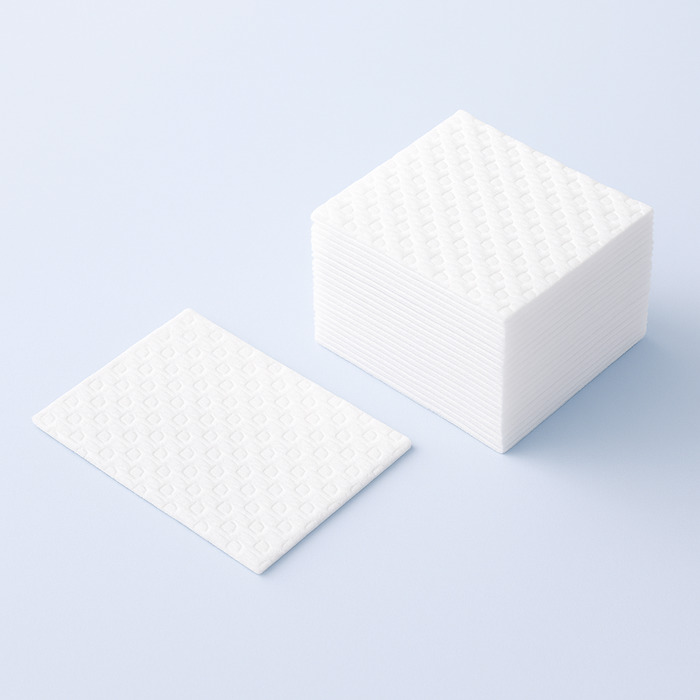
For example, pet hair: dry hair clumps easily for removal, but wet hair wraps around mop fibers and sticks to floors, requiring repeated cleaning. A better approach? Use a dry cloth first to capture loose debris. Products like Embossed Spunlace Dry Cloth For Floor Mopping feature raised embossed patterns that boost friction, while their spunlace nonwoven structure traps particles as small as 5 μm—preventing dirt from being “activated” by water.
Reusing a single bucket of water creates a “dirt 循环 system.” As mopping proceeds, dirt concentration in water rises: when it exceeds 0.1% (by weight), the water transforms from a cleaning agent to a pollutant. Each dip of the mop picks up new dirt and spreads it to clean areas—essentially “painting the floor with diluted mud.” Once dry, a thin dirt film forms, leaving floors looking gray and dull.
Even with clean water, an unwashed mop causes recontamination. Traditional cotton or synthetic fiber mops have loose structures that trap 30–50% of dirt in fiber gaps after rinsing. When reused, this residual dirt falls off and reattaches to floors—creating a never-ending “dirt cycle.”
Mop performance hinges on three material properties: fiber diameter, porosity, and water absorption. Below is a deep dive into how these factors determine cleaning efficacy.
Fiber size directly correlates to the ability to capture microscopic particles:
Traditional cotton mops: 10–20 μm fibers, only capturing particles >20 μm (visible dust clumps).
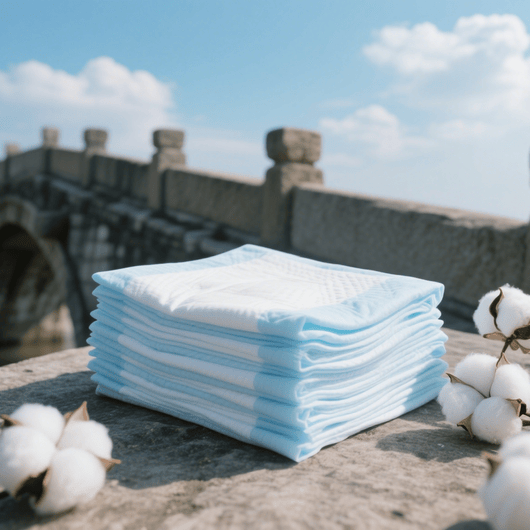
Water Absorbent Pp Wood Pulp Spunlace Nonwoven: 1–3 μm polypropylene (PP) microfibers + wood pulp. The ultra-fine PP fibers penetrate the Van der Waals force field of 0.5–10 μm dirt (fine sand, pet dander), while wood pulp boosts water absorption. Laboratory tests show this material reduces dirt residue by 60–70% vs. cotton mops.
Porosity (void volume ratio) is a critical trade-off:
Excessive porosity (e.g., sponge mops, 60–80%): Poor dirt locking—pressed mops squeeze dirty water back onto floors.
Insufficient porosity (e.g., dense cotton, <30%): Low water retention—mops dry out mid-cleaning.
Water Absorbent Pp Wood Pulp Spunlace Nonwoven: 40–50% controlled porosity. Wood pulp absorbs water via capillary action, while PP microfibers form a “network” that traps dirt in voids—preventing re-release. This structure also rinses clean easily, reducing fiber-residue buildup.
Single-material mops have inherent flaws: cotton absorbs water but misses fine dirt; synthetic fibers capture dirt but lack absorbency. Composite designs fix this:
Pet owners face amplified floor dirt issues due to hair, dander, and biological residues. Below is a breakdown of problems and science-backed solutions:
| Dirt Type | Challenge for Traditional Mops |
| Pet Hair (5–15 μm) | Wraps around fibers; leaves scattered strands post-mopping. |
| Paw-Borne Sticky Dirt | Sand/soil mixed with pet sebum; forms “adhesive” on floors. |
| Biological Residues | Urine/saliva organics breed bacteria; cause odors if unremoved. |
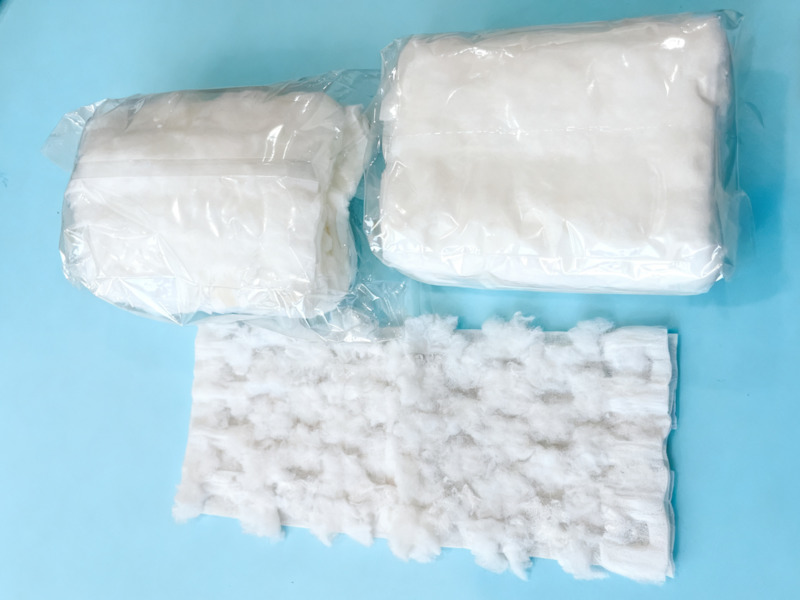
Fluffy Spunlace Mop Refills For Pet Owners address these issues via:
3D fluffy fiber structure: Captures 95% of pet hair in one pass (vs. 40–50% for cotton mops).
Oil-resistant PP + absorbent wood pulp: Dissolves sebum-based sticky dirt and soaks up moisture—reducing drying time by 30% (lowering bacterial growth risk).
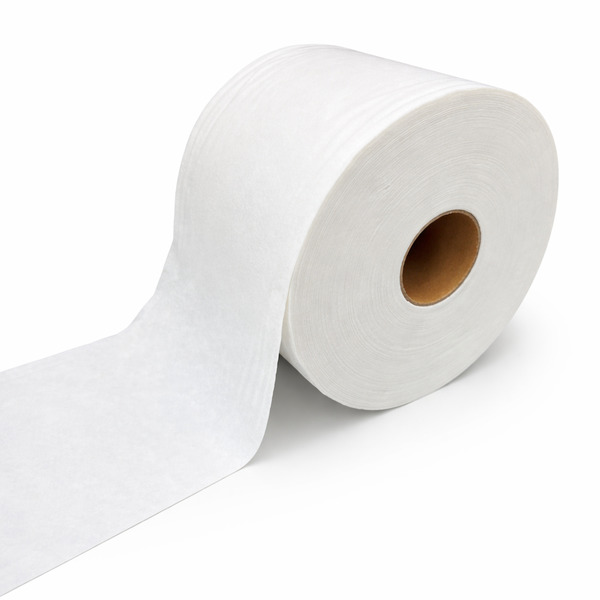
Dried pet urine or saliva stains require more than mopping. Nonwoven Fabric For Premium Wet Wipes offers a complementary solution:
High-density spunlace structure: Holds 2x more cleaning solution (e.g., mild enzyme cleaners) for slow release—breaking down organic residues.
Scratch-resistant fibers: Safely removes stubborn stains from delicate floors (laminate, solid wood) without surface damage.
To eliminate post-mop dirt, combine advanced tools with a physics-aligned workflow:
Step 1: Dry Wipe (Prep)
Use Embossed Spunlace Dry Cloth For Floor Mopping to wipe along floor gaps (tile joints, wood grain). This removes 80% of floating dirt, avoiding “mud paste” formation during wet mopping.
Step 2: Wet Mop (Deep Clean)
Use a mop with Water Absorbent Pp Wood Pulp Spunlace Nonwoven refills. Dip in clean water (or dilute neutral cleaner, pH 6–8) and mop in a “figure-8” pattern (maximizes surface contact). Replace water every 10–15 m² to avoid dirt circulation.
Step 3: Local Clean (Spot Treat)
Use Nonwoven Fabric For Premium Wet Wipes on oil spots or pet stains. The dense fibers trap dissolved residues, ensuring no “invisible dirt” remains.
Water temperature: 40–50°C for kitchen oil-based dirt (boosts solubility); <30°C for wood floors (prevents waterproof layer damage). Water Absorbent Pp Wood Pulp Spunlace Nonwoven maintains performance across this range.
Cleaner dosage: Excess alkaline/acidic cleaners leave a “white film” post-drying. Use neutral cleaners (1:100 dilution) and rely on the mop’s porosity to reduce residue by 50% vs. traditional tools.
Rinse refills (especially Fluffy Spunlace Mop Refills For Pet Owners) with running water until dirt-free; air-dry in well-ventilated areas to prevent mold.
Replace refills every 5–8 uses: Water Absorbent Pp Wood Pulp Spunlace Nonwoven fibers degrade over time, reducing dirt capture ability.
Weston Manufacturing has engineered its floor cleaning solutions—including Fluffy Spunlace Mop Refills For Pet Owners, Embossed Spunlace Dry Cloth For Floor Mopping, Water Absorbent Pp Wood Pulp Spunlace Nonwoven, and Nonwoven Fabric For Premium Wet Wipes—to address the scientific root causes of post-mop dirt. For further inquiries about product science or to request free samples, contact us at [email protected].
WESTON
Privacy Policy | SiteMap
Copyright WESTON