- Email: [email protected]


Let’s be real—after wiping down a sticky counter or sanitizing your hands post-grocery run, it’s tempting to just flick that disinfecting wipe into the toilet. “It’s small,” you think. “It’ll flush right down.” Most of us have done it at least once. But that tiny, thoughtless move? It’s causing way bigger problems than you might guess. Today, we’re breaking this down with no scare tactics—just straight facts about why flushing disinfecting wipes is a bad idea, plus easy fixes you can start using today.

First, let’s get simple about what’s in a disinfecting wipe—because that’s where the problem starts. Toilet paper is designed to dissolve fast in water, like a sugar cube melting in a cup. Disinfecting wipes? They’re built to be tough.
Most wipes use thick fibers (think polyester or rayon) to hold onto disinfectant and stay intact while you wipe. Those fibers don’t break apart in water—they clump. Then there are the disinfectants and moisturizers: chemicals that keep wipes wet and effective, but in sewers, they mess with the good bacteria that treat wastewater.
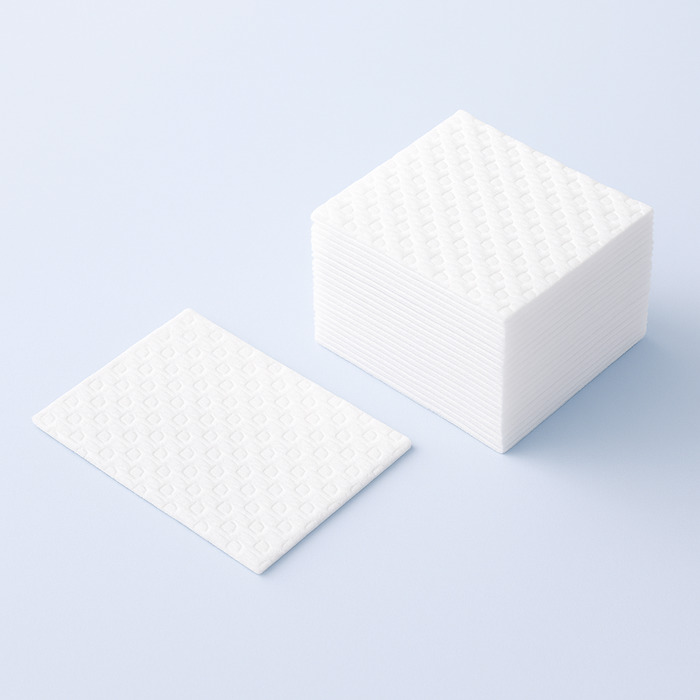
Here’s the exception: real flushable options use materials like Flushable Plant Based Spunlace Nonwoven Fabric—a plant-derived material that breaks down like toilet paper, even in real sewer conditions (not just lab tests). But most regular disinfecting wipes? They don’t use this.
Flushing a wipe might seem harmless, but it’s the first domino in a messy chain. Wipes don’t dissolve, so they get stuck in your toilet trap, under-sink pipes, or the main line connecting your house to the street.
Over time, one wipe becomes a clog. You’ll notice slow-flushing toilets, gurgling drains, or worse—raw sewage backing up into your bathroom. Gross, right? And expensive: plumbers report that 25% of residential drain clogs come from non-flushable items like wipes (per the National Association of Plumbing-Heating-Cooling Contractors). Fixing that? Easily 200–200–200–500.
The upside? Avoiding this is free. Just toss wipes in the trash instead of flushing, and you skip the plumber bill entirely.
Wipes that slip past your pipes don’t disappear. They flow into municipal sewage systems, which rely on pumps and filters to move wastewater to treatment plants.
Wipes wrap around pumps like string around a spool, clog filters, and mix with grease to form “fatbergs”—massive clumps of gunk. In 2023, London workers pulled out a fatberg the size of a car—60% of it was disinfecting wipes. Fixing it cost $200,000, and sewage had to be diverted for days.
Here’s the local angle: your city’s sewage budget comes from taxes. Every clog from wipes means less money for road repairs, parks, or community centers. So that one wipe? It’s not just your problem—it’s everyone’s.
You’ve seen “flushable” on wipe packages. So why is this still a problem? Let’s break the myth: most “flushable” claims are based on lab tests—small amounts of water, perfect flow, no other debris. But real sewers have less water, more gunk, and slower flow. A wipe that “passes” a lab test still clogs real pipes.
The rule is simple: if it’s not toilet paper, don’t flush it. Even “flushable” regular wipes aren’t worth the risk. If you need a disinfecting option that’s easier on systems, look for products like Green Surface Disinfectant Wipes—which use Flushable Plant Based Spunlace Nonwoven Fabric to break down properly—but even then, double-check: when in doubt, trash it.
Even if wipes make it to a treatment plant, many slip through filters. They end up in rivers, lakes, and oceans via treated water or overflow during heavy rain.
Marine animals mistake small wipe pieces for food. Wipes wrap around coral reefs, blocking sunlight they need to survive. And unlike toilet paper, wipes take years to break down—one wipe you flush today could harm wildlife for a decade.
The flip side? Tossing wipes in the trash keeps them out of waterways. It’s a tiny change, but for fish, birds, and coral, it’s a big win.

You don’t need a fancy plan—just three simple steps:
For those who want a disinfecting wipe that’s kinder to systems, Green Surface Disinfectant Wipes (made with Flushable Plant Based Spunlace Nonwoven Fabric) are designed to break down when used correctly.
Flushing a disinfecting wipe might feel like no big deal. But when thousands of us do it, it adds up to broken pipes, wasted tax money, and hurt wildlife.
Here’s the takeaway: toilet paper = flushable. Disinfecting wipes = trash. That’s the rule to remember. Next time you finish wiping, pause for 2 seconds and toss the wipe in the bin. You’ll be helping your home, your neighborhood, and the planet—one small choice at a time.
WESTON
Privacy Policy | SiteMap
Copyright WESTON