- Email: [email protected]


Hey there, ever stopped to think about the stuff that holds your world together without making a big fuss? That’s non-woven fabric for you—a material that’s bonded together from fibers, no weaving or knitting involved. It’s like the reliable friend who’s always got your back, showing up in everything from your morning coffee filter to those handy wet wipes. I’ve been digging into this topic lately, and honestly, it’s fascinating how something so straightforward can pack such a punch in our daily lives. Let’s break it down, step by step, with some fresh takes on why it’s worth considering. No over-the-top claims here—just solid, practical insights to help you see its real value.
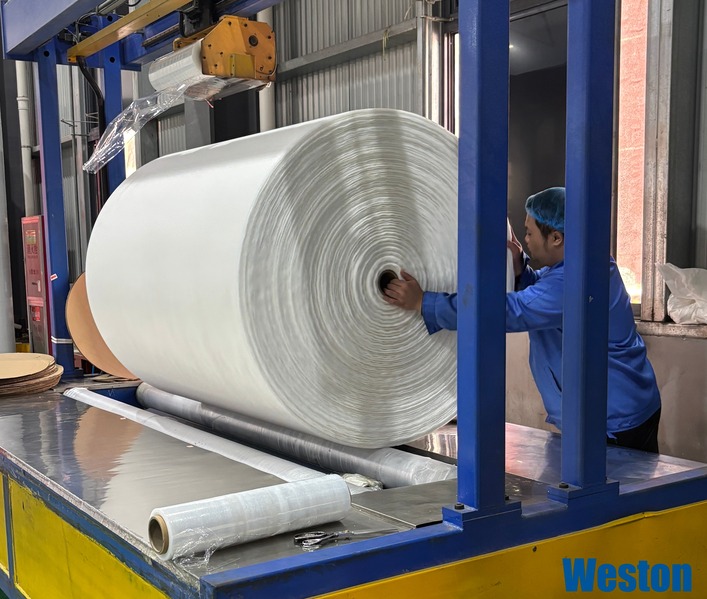
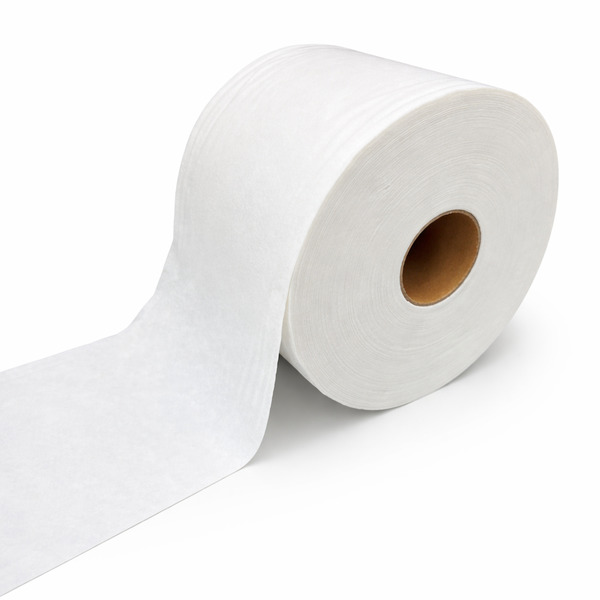
Picture this: traditional fabrics get woven on looms, thread by thread, like a meticulous puzzle. Non-woven? It’s different. Fibers are entangled or bonded using heat, chemicals, or pressure—think of it as a quick assembly line for materials. This method dates back to the mid-20th century, but it’s evolved into a powerhouse today. Why does that matter? Because it means non-woven fabric can be tailored for all sorts of uses without the hassle of old-school production. From disposable medical masks that kept us safe during tough times to the lining in your favorite backpack, it’s quietly everywhere. And get this—it’s not just about convenience; it’s engineered for efficiency, making it a go-to for industries that need reliability without the drama. Plus, its production can be scaled up easily, which is why it’s a staple in everything from household items to industrial applications.
One of the coolest things about non-woven fabric is how it shape-shifts to fit whatever life throws at it. Need something breathable for sportswear? Done. How about absorbent pads for cleaning up spills? Easy. It’s used in automotive interiors for that cushy feel, in agriculture for crop protection sheets that let air and water through while blocking weeds, and even in construction for geotextiles that stabilize soil. What’s fresh about this is how it bridges everyday needs with innovative twists—like in the world of OEM nonwoven fabric, where custom solutions turn basic materials into specialized products without reinventing the wheel. I’ve seen it in action with things like air filters in your home HVAC system, quietly purifying the air you breathe. No exaggeration: it’s the ultimate multitasker, adapting to medical, hygiene, and even fashion scenes with a no-nonsense attitude. You can find it in battery separators for electronics, sound-absorbing panels for quieter spaces, and even in the filters of your vacuum cleaner—versatile doesn’t even cover it.
Let’s talk green without getting preachy. Non-woven fabric often steps up in the sustainability game by incorporating recycled fibers or biodegradable options, which helps cut down on waste. Traditional textiles? They can be water hogs, guzzling resources during production. Non-woven processes, on the other hand, tend to be more efficient, using less energy and water in many cases. Think about those reusable shopping bags that replace single-use plastics—they’re often non-woven, making a dent in ocean pollution one tote at a time. A novel angle here is its role in circular economies: some versions break down naturally, feeding back into the earth instead of lingering in landfills. Of course, it’s not a magic fix—recycling rates vary—but opting for it in products like eco-friendly wipes or insulation materials is a practical way to lean greener. It’s about making choices that add up, without overhauling your whole routine. For instance, in landscaping, non-woven mulches reduce herbicide use, supporting healthier soil ecosystems over time.
Who doesn’t love a good deal? Non-woven fabric shines here because it’s produced quickly and affordably, often at a fraction of the cost of woven alternatives. That speed comes from streamlined manufacturing—no looms means less labor and time. But don’t mistake cheap for flimsy; this stuff is tough. It stands up in protective clothing for workers, like those durable coveralls that shield against hazards, or in hygiene products that need to be strong yet gentle. Here’s a bold take: it’s democratizing quality. Small businesses can afford high-performance materials for things like filters or packaging, leveling the playing field. I’ve come across examples where it’s used in affordable medical supplies, ensuring safety doesn’t come with a hefty price tag. In essence, it’s smart economics—delivering longevity and strength without draining your wallet. Take roofing underlays, for example; non-woven versions provide weather resistance at a lower cost, making home improvements more accessible for everyone.
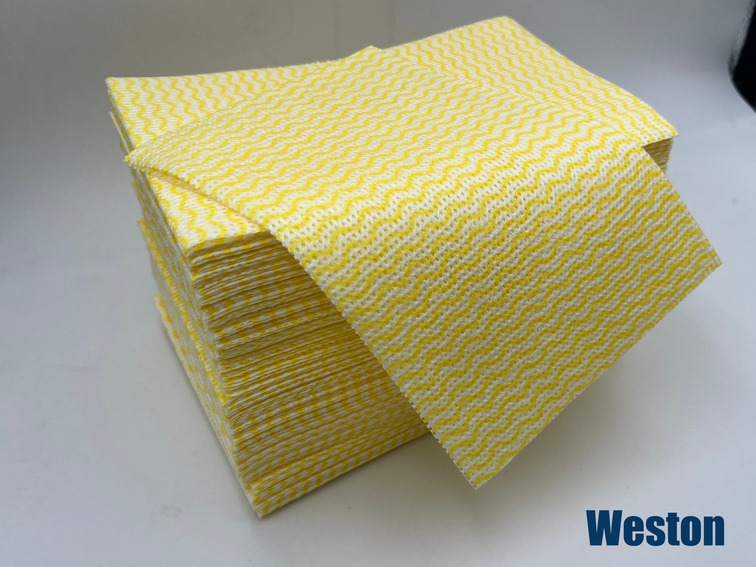
Dig a bit deeper, and you’ll see non-woven fabric’s real muscle in how it performs under pressure. It’s got this unique combo of properties: breathable yet barrier-like, flexible but resilient. In healthcare, it’s a star for surgical gowns and drapes that block bacteria while allowing airflow—crucial for preventing infections. In agriculture, it acts as a natural shield for plants, promoting growth without chemicals. What makes this fresh is the customization potential; you can tweak it for water resistance in outdoor gear or softness in baby products. And speaking of innovation, companies like those producing Weston Manufacturing hydroentangled nonwoven fabric factory products are pushing boundaries with water-jet entangled fibers that enhance texture and absorbency, blending traditional methods with modern needs. It’s not flashy, but it’s effective—think of it as the engine humming smoothly in the background, making everything from insulation to soundproofing work better. On the filtration side, it’s unbeatable for oil absorbents in industrial spills or even in personal care items like makeup removers that gently lift away grime.
Looking ahead, non-woven fabric isn’t resting on its laurels. It’s gearing up for tomorrow’s challenges with tech infusions like antimicrobial treatments or embedded sensors for smart applications. Imagine fabrics that self-clean or monitor health metrics in wearables—that’s the direction we’re heading. A new perspective? It’s poised to tackle big issues, like sustainable fashion where it reduces textile waste, or disaster relief with quick-deploy tents and blankets. In R&D labs, engineers are experimenting with nanofibers for advanced filtration, potentially revolutionizing air and water purification. This evolution feels empowering because it’s grounded in real science, not sci-fi dreams. As we face climate shifts and resource crunches, non-woven’s adaptability could lead the charge, offering scalable solutions that evolve with us. From biodegradable composites in packaging to high-tech membranes in fuel cells, the possibilities keep expanding, keeping it relevant in a fast-changing world.
Wrapping this up, it’s clear non-woven fabric isn’t just another material—it’s a practical powerhouse that’s woven (pun intended) into the fabric of modern life. Whether you’re eyeing it for personal projects or bigger applications, its blend of versatility, eco-smarts, affordability, and performance makes it a solid pick. If you’re curious about diving deeper, exploring options like Weston Manufacturing hydroentangled nonwoven fabric factory products or custom OEM nonwoven fabric could be a great next step. Give it a shot; you might be surprised how it simplifies things in ways you never expected.
WESTON
Privacy Policy | SiteMap
Copyright WESTON