- Email: [email protected]


In the realm of controlled environments, cleanrooms stand as the pinnacle of cleanliness and precision. Among these, the ISO Class 4 Cleanroom is renowned for its stringent standards, often considered the cleanest cleanroom category in existence. What exactly makes this space so extraordinary? Let’s delve deep into the world of cleanrooms, exploring their significance, the technology behind them, and the products that keep them pristine.
Cleanrooms are specialized environments engineered to minimize contamination. They are crucial in industries like pharmaceuticals, biotechnology, and electronics, where even the slightest impurities can compromise product integrity. The classification of cleanrooms is defined by the number of particles per cubic meter at a specific size. For example, an ISO Class 4 Cleanroom allows only 2,000 particles of 0.5 micrometers or larger per cubic meter.
The significance of cleanrooms cannot be overstated. They ensure:
Creating and maintaining a cleanroom involves cutting-edge technology and rigorous procedures.
At the heart of cleanroom technology are advanced air filtration systems. High-Efficiency Particulate Air (HEPA) and Ultra-Low Penetration Air (ULPA) filters are essential for trapping particles. These systems can reduce airborne contaminants effectively, ensuring the environment remains uncontaminated.
Cleanrooms often operate under a positive pressure system, where the air pressure inside the room is higher than outside. This prevents unfiltered air from entering and helps maintain cleanliness.
Heating, ventilation, and air conditioning (HVAC) systems in cleanrooms are meticulously designed to regulate temperature and humidity while ensuring optimal air quality. Maintaining stable conditions is vital for both personnel comfort and product integrity.

Personnel play a crucial role in maintaining the cleanliness of a cleanroom. This is where cleanroom garments come into play. These specialized outfits are designed to minimize contamination from human sources, such as skin flakes and hair.
An essential aspect of maintaining a cleanroom is precision cleaning. This involves using specific cleaning products designed for controlled environments. The use of Precision Cleaning Wipes is critical in this process.
The right cleaning materials can enhance the cleanliness of a cleanroom. For instance, Wood Pulp Polyester Spunlace Cleanroom Wipes provide excellent absorbency and low-lint properties, making them ideal for cleaning surfaces and equipment.
Regular monitoring and maintenance are vital to uphold cleanroom standards. This includes:
Operating at an ISO Class 4 Cleanroom level offers numerous advantages:
Despite the benefits, managing a cleanroom is not without its challenges.
Maintaining a cleanroom requires significant investment in technology, training, and materials. This can be a barrier for some organizations.
Strict adherence to regulations can be burdensome. Organizations must ensure they meet all necessary standards, which can require continuous monitoring and audits.
Ensuring that all personnel consistently follow protocols can be a challenge. Continuous training and reminders are essential to maintain high standards.
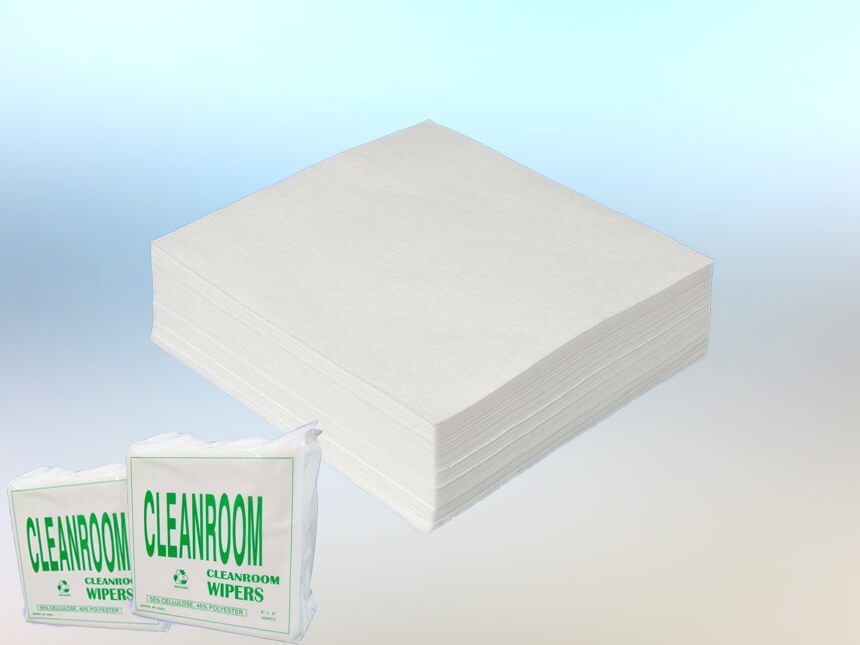
To maintain the integrity of a cleanroom, high-quality cleaning products are essential. This includes Microfiber Eyeglass Cleaning Cloths, which are perfect for cleaning sensitive equipment without leaving scratches or residues.
Using the right products not only enhances cleanliness but also prolongs the lifespan of equipment. For instance, the use of ISO Class 4 Cleanroom Wipes can significantly reduce the risk of contamination during routine cleaning tasks.
As industries evolve, so too does the technology surrounding cleanrooms. Innovations in materials, filtration, and monitoring systems are paving the way for even cleaner environments.
Future developments in filtration technology may lead to even lower particle counts, enhancing the cleanliness of cleanrooms beyond current standards.
The integration of smart technology into cleanroom management can streamline operations. Real-time monitoring systems can alert staff to potential contamination risks, allowing for immediate action.
The pursuit of cleanliness in controlled environments is more than just a necessity; it is a commitment to quality, safety, and innovation. As the cleanroom industry continues to advance, the products that support these environments—such as Precision Cleaning Wipes and Wood Pulp Polyester Spunlace Cleanroom Wipes—remain essential.
For those interested in experiencing the benefits of high-quality cleanroom products, Weston Manufacturing offers a range of solutions designed to meet the rigorous demands of cleanroom environments. For a free sample, reach out at [email protected].
The future of cleanrooms is bright, with continuous improvements ensuring that these spaces remain the gold standard in cleanliness and safety.

WESTON
Privacy Policy | SiteMap
Copyright WESTON