- Email: [email protected]


A No-BS Guide for Environmental Warriors
Let’s cut through the haze of sustainability buzzwords. The fashion and industrial textile industries produce 10% of global carbon emissions—and “eco-friendly” labels often hide a darker truth. While brands tout recycled polyester or organic cotton, they ignore water toxicity, microplastic pollution, and the colonial practice of dumping textile waste in the Global South. Weston Manufacturing’s stance? “If your ‘green’ fabric isn’t solving water, waste, and toxicity, it’s just green theater.”

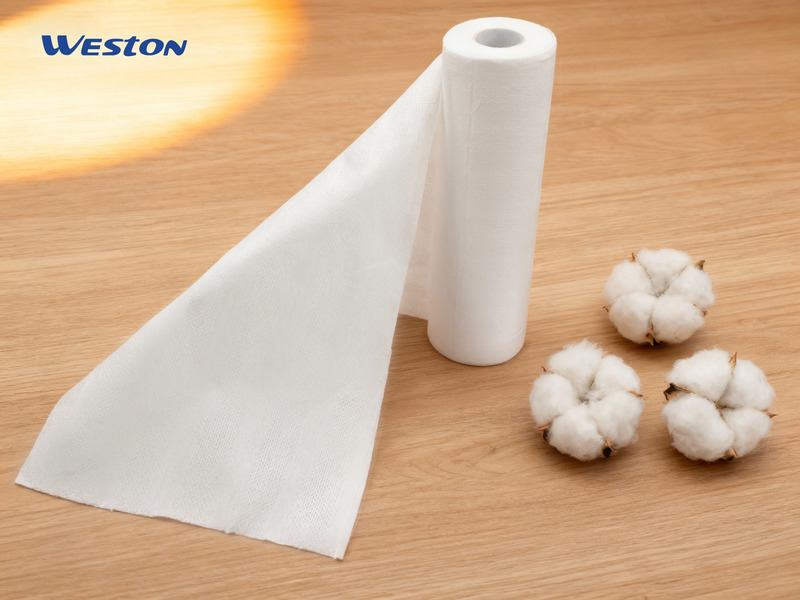
That soft organic cotton T-shirt? It guzzled 2,700 liters of water to make—enough to sustain a family of four for a year. Meanwhile, eco-dyed viscose polyester slashes water use by 95% using closed-loop dye systems. But cotton’s sins run deeper: 16% of the world’s insecticides are sprayed on cotton fields, poisoning groundwater and farmers.
Every wash of a conventional polyester garment releases 700,000 microplastic fibers—tiny toxins that invade oceans, fish, and your bloodstream. Recycling? A sham. Less than 1% of polyester is truly recycled; most is “downcycled” into carpets that end up in landfills.
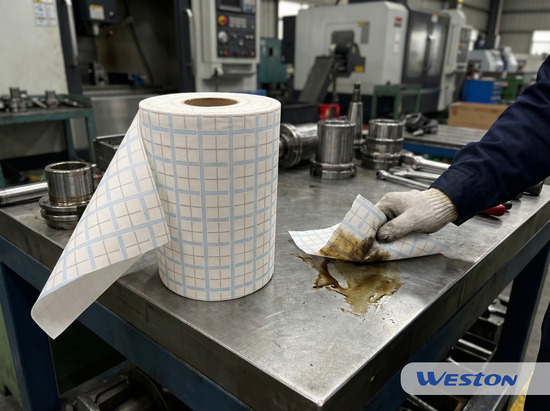
Traditional metalworking cleaning spunlace rags spread carcinogenic coolants and heavy metals like mercury. Weston’s radical alternative? Enzyme-infused spunlace that neutralizes toxins on contact—imagine a rag that cleans itself.

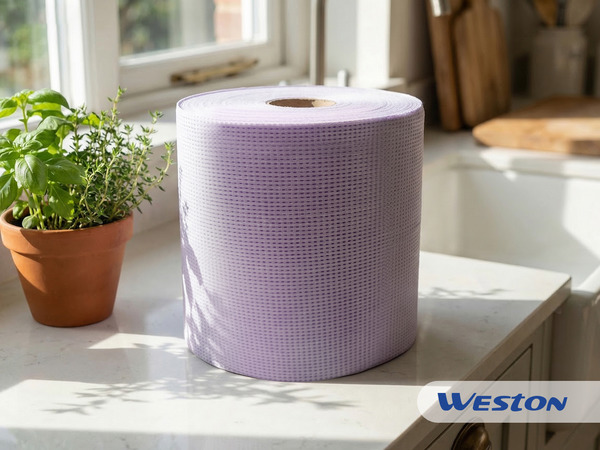
Forget dye vats. Eco-dyed viscose polyester uses supercritical CO2—a process where carbon dioxide acts as both solvent and dye carrier—to slash water use by 95%. Weston’s zero-liquid-discharge (ZLD) factories take it further, recycling wastewater into irrigation-grade water.
Blending viscose (wood pulp-based) with polyester creates fibers that shed 80% fewer microplastics. Third-party ISO tests prove it: Weston’s fabric survives 50 simulated washes with minimal fiber loss.
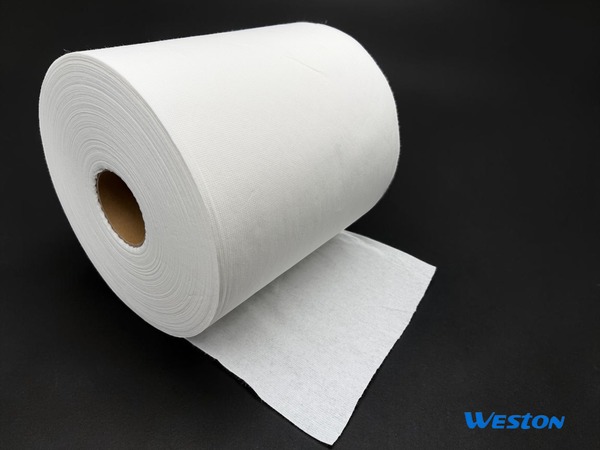
“Compostable” fabrics? Most require industrial facilities that don’t exist. Weston’s recycled industrial wipes are different. Their take-back program shreds used wipes into raw yarns, creating a closed loop without downcycling. No landfills. No lies.
Problem: An auto giant dumped 12 million liters of solvent-soaked rags yearly, contaminating groundwater.
Weston’s Fix:
Result: A German OEM slashed waste fines by €480K/year—and avoided a PR nightmare.
Carbon Footprint:
Toxicity:
Weston’s trifecta—eco-dyed viscose polyester, metalworking cleaning spunlace, and recycled industrial wipes—isn’t about selling products. It’s about dismantling an extractive industry.
Your Move:
Audit your supply chain’s real footprint. Not the glossy reports—the water, the toxins, the waste. Weston offers free lifecycle assessments. Dare to look.
WESTON
Privacy Policy | SiteMap
Copyright WESTON