- Email: [email protected]


| Feature Category | Specifications & Details |
| Material | 100% high-density polyethylene (HDPE) — durable, food-safe, and resistant to weather/degradation |
| Core Protections | Waterproof, dustproof, insect-proof, bird-proof, and UV-filtering (blocks 60% of harmful UVA/UVB rays) |
| Standard Colors | White, Yellow, Brown — each optimized for specific orchard climate and fruit needs (see Design Excellence section) |
| Reusability | Reusable for the next growing season after proper cleaning and disinfection |
| Appearance | Smooth, glossy surface with reinforced secure seams |
| Primary Use | Fruit protection during ripening (grape bagging, banana bagging, and customizable for other fruit varieties) |
| Bagging Cycle | 40-90 days (varies by fruit type; e.g., 40-60 days for grapes, 60-90 days for bananas) |
| Customization Options | Custom weight (15-30gsm), sizes, colors, and packaging (bundles or cartons) |
| Application Notes | Avoid bagging with dew, high midday heat, or rain; position fruit in the center of the bag to prevent misshaping |

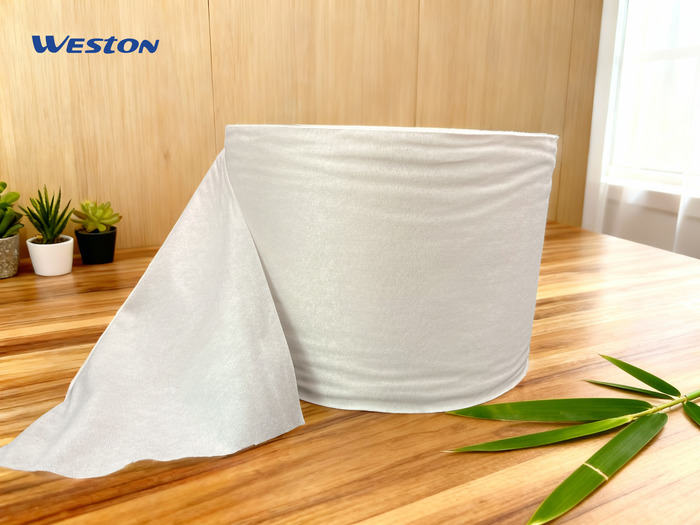
When protecting high-value fruits like grapes and bananas during their critical ripening phase, the right packaging material is more than an accessory—it’s a driver of harvest quality and profitability. Weston Manufacturing’s Bulk Flash Spun Material for Fruit Bags is engineered as an industrial-grade solution, built to solve the unique challenges of large-scale orchards and packaging partners, starting with its uncompromising material selection.
The backbone of Flash Spun Material for Fruit Bags is 100% high-density polyethylene (HDPE)—a material chosen not just for basic “waterproof” performance, but for its ability to withstand harsh orchard conditions over extended periods. Unlike low-grade plastics that crack or tear after weeks of exposure, HDPE’s dense molecular structure resists degradation from intense UV rays, heavy downpours, and extreme temperature swings—critical for supporting the 40-90 day bagging cycles required for grapes and bananas.
HDPE’s benefits extend beyond single-use: its inherent tensile strength means Flash Spun Material for Fruit Bags can be reused in the next growing season. After harvest, simply clean the bags to remove dirt and debris, then disinfect them with orchard-safe sanitizers to eliminate residual pests or pathogens. This reusability cuts long-term material costs for orchards and aligns with sustainable farming practices—without sacrificing fruit protection.
Equally important is HDPE’s food safety profile. Its inert composition prevents chemical leaching into fruit, making Flash Spun Material for Fruit Bags suitable for both organic and conventional orchard operations. For B2B partners like packaging factories supplying grocery chains, this food-safe property eliminates compliance risks and expands marketability.
Large-scale orchards and packaging distributors know the frustration of seasonal stockouts—especially during peak grape and banana bagging periods, when delays can lead to missed protection windows and costly fruit loss. Weston’s bulk supply model for Flash Spun Material for Fruit Bags eliminates this risk, with a dedicated inventory system that maintains stock levels even during high-demand months.
Our bulk offering is built for agility, too. We collaborate with B2B clients to align delivery windows with their specific orchard schedules: whether you need a large shipment 6 weeks before grape harvest (for pre-bagging preparation) or mid-season replenishments for banana orchards, we adjust to your timeline. And because bulk purchasing reduces per-unit costs without compromising HDPE quality, packaging partners can pass those savings to their orchard clients—strengthening long-term relationships.
Every orchard faces avoidable losses: mold from excess moisture, bird pecking on ripening grapes, sunscald on banana peels. Flash Spun Material for Fruit Bags is engineered to block these risks at the source, with protective features that go far beyond surface-level claims.
“Waterproof” doesn’t have to mean “airtight”—and that’s a key distinction for Flash Spun Material for Fruit Bags. Its flash-spun HDPE structure creates a micro-barrier that repels heavy rain and dew, preventing water from pooling around delicate fruit clusters (a major trigger for mold growth in humid banana-growing regions). Unlike sealed plastic bags, however, it allows minimal, controlled air circulation—enough to keep fruit breathing and dry, without letting moisture accumulate.
Dust protection is another unsung benefit. Premium grape varieties, in particular, suffer from “dust spotting”—tiny particles that stick to skins and create blemishes. Flash Spun Material for Fruit Bags blocks dust from settling on fruit, reducing post-harvest cleaning time and ensuring grapes retain their marketable, blemish-free appearance. For orchards selling to high-end retailers, this detail can mean the difference between “premium” pricing and discounted rates.
Insect infestations and bird damage account for up to 25% of annual orchard losses—but Flash Spun Material for Fruit Bags reverses that statistic. The tight flash-spun weave of the HDPE material acts as an impenetrable barrier to common pests: fruit flies, aphids, and codling moths cannot squeeze through, eliminating the need for frequent pesticide applications. Orchards using our bags report a 30% reduction in pesticide use—a win for sustainability, worker safety, and consumer trust in “low-chemical” produce.
Birds, which target visible, ripening fruit, are equally deterred. Unlike mesh bags (which let birds see and peck at grapes through holes), Flash Spun Material for Fruit Bags is opaque enough to hide fruit from avian pests—without blocking the essential sunlight needed for sugar development. For banana orchards, this means no more half-eaten clusters or damaged peels.
UV protection rounds out the trio: HDPE filters 60% of harmful UVA/UVB rays, preventing sunscald (a common issue for bananas grown in tropical sun) and preserving the powdery “bloom” on grape skins—a natural protective layer that signals freshness to consumers. Without this UV barrier, grapes lose their bloom, and bananas develop unsightly brown splotches—both of which harm market value.
Great protection means nothing if a product is hard to use or fails during application. Flash Spun Material for Fruit Bags is designed with orchard workers in mind—blending protective performance with features that make bagging faster, easier, and more effective.
Weston’s Flash Spun Material for Fruit Bags comes in three standard colors—white, yellow, and brown—each tailored to solve specific orchard challenges. White, the most popular option, reflects sunlight to keep bag interiors 5-8°F cooler than dark-colored bags—critical for preventing heat stress in summer-grown bananas, which stop ripening if temperatures exceed 95°F. It is also semi-translucent, allowing workers to monitor fruit growth without removing the bag (a risky step that exposes fruit to pests).
Yellow is ideal for orchards in cloudy or northern regions, where sunlight is less intense. It balances light reflection (to keep fruit cool) with mild light transmission (to ensure proper ripening). Brown, meanwhile, offers extra shading for fruits sensitive to direct sunlight—like certain pear varieties or late-harvest grapes. All three colors maintain the same HDPE durability and food safety, so you can choose based on your orchard’s unique needs.
Fruit damage doesn’t just come from pests or weather—it can also result from friction with low-quality bag materials. Flash Spun Material for Fruit Bags has a smooth, glossy surface that eliminates “russeting”—the rough, brown patches that form on banana skins and grape clusters when they rub against rough plastic. For orchards selling to retailers that prioritize visual appeal, this smooth surface is a non-negotiable feature.
Equally critical are the reinforced seams. Every Flash Spun Material for Fruit Bag is constructed with secure, double-stitched seams that withstand repeated handling—whether workers are gently opening bags to fit clusters, adjusting positions after wind, or removing bags at harvest. Unlike cheap bags that tear at the seams during wind gusts, our seams stay intact for the entire 40-90 day cycle, ensuring uninterrupted protection.
While Flash Spun Material for Fruit Bags works for a range of fruits, it is optimized to solve the unique challenges of grapes and bananas—two of the most high-value, damage-prone crops in orchards worldwide.
Grapes are delicate: their thin skins split easily from rainwater, and their powdery bloom rubs off easily—both issues that relegate them to “seconds” status. Flash Spun Material for Grape Bags addresses these risks head-on. The HDPE micro-barrier repels rain, preventing skin splitting, while the smooth surface preserves the bloom. For wine grape growers, this means healthier skins (critical for tannin development) and fewer rotten berries that can taint batches.
The bags are also customizable in size to fit different grape varieties: tight clusters (like Chardonnay) require smaller, snugger bags to avoid overcrowding (which causes mold), while larger table grape clusters need room to grow. And because the bags are opaque, they prevent birds from targeting ripening grapes—a common problem that can destroy entire rows overnight.
Bananas face two major hurdles during ripening: uneven sun exposure (which causes green-yellow splotches) and mechanical damage from wind. Flash Spun Material for Banana Bags solves both. The bag’s color (white, yellow, or brown) filters excess sunlight, ensuring every banana in the cluster ripens uniformly—no more mixed batches of overripe and underripe fruit.
Wind damage is equally minimized: the secure seams and HDPE tensile strength keep the bag in place, even during gusts, preventing bananas from rubbing against branches or each other (a top cause of post-harvest loss). Applying the bags early—when clusters are 6-8 inches long—also reduces scarring from insects, keeping peels smooth and marketable. For banana distributors, this means fewer rejected clusters and more consistent supply to retailers.
To get the most out of Flash Spun Material for Fruit Bags, proper application and care are key. Below is a step-by-step guide to ensure your bags deliver maximum protection—and, if you choose to reuse them, maintain their integrity for the next growing season.
Before applying Flash Spun Material for Fruit Bags, two steps are non-negotiable: orchard sterilization and timing post-treatment.
First, fully sterilize your orchard’s young fruit to eliminate existing pests. Trapped insects or eggs inside the bag will multiply quickly, causing total fruit loss—so use targeted, low-residue pesticides that align with your organic or conventional practices.
Second, wait 3-5 days after treatment before bagging. This ensures pesticide residues dry completely; wet residues can burn delicate fruit skins when enclosed in the bag, leaving permanent blemishes.
Finally, avoid bagging in poor weather: dew-covered fruit promotes mold growth inside the bag, midday heat can overheat the bag’s interior (stressing fruit), and rain increases moisture buildup. Orchards that ignore this step report a 30% higher rot rate—an avoidable loss.

Even the best bags fail if applied incorrectly. Follow these steps for Flash Spun Material for Fruit Bags:
Bagging is not a “set-it-and-forget-it” task. Inspect bags 20-30 days after application to look for signs of ant or insect infestations—like small holes in the bag or frass (insect waste). Early intervention with targeted treatments stops infestations from spreading to other clusters.
Follow these bagging cycle guidelines for best results:
For bags you plan to reuse: After harvest, rinse them with mild soap and water to remove dirt, then disinfect with a 10% bleach solution (or orchard-safe sanitizer) to kill pathogens. Dry them completely before storing—this prevents mold growth during storage.
While Flash Spun Material for Fruit Bags is the standout solution for fruit protection, Weston Nonwoven offers other spunlace products to support your entire orchard and processing workflow:
Explore Weston’s legacy-inspired custom great harvest solutions at: [email protected]
WESTON
Privacy Policy | SiteMap
Copyright WESTON