- Email: [email protected]


In today’s rapidly growing urban agriculture movement, balconies are transforming from mere functional spaces into micro-farms. Traditional planting methods face fundamental challenges in these constrained environments: plastic pots cause root circling and oxygen deprivation, ceramic containers are heavy with poor drainage, and improper soil management invites pests and diseases. At the core of these issues lies root zone environment imbalance – the most critical yet most overlooked aspect of plant growth.
The emergence of Duprotex nonwoven fabric represents an evolution from simple “containers” to intelligent root zone management systems. This high-density polyethylene material, manufactured using flash-spinning technology, creates an ideal air-water balance ecosystem in the root zone through its micro-porous structure. For urban gardeners pursuing high-success balcony herb gardens, the value of this material lies not only in its convenience but, more importantly, in solving fundamental plant growth challenges in enclosed environments.

The fundamental flaw of traditional rigid containers is their neglect of plant root respiration needs. When roots reach container walls in oxygen-deprived environments, they develop circular growth patterns, leading to root binding, reduced nutrient absorption efficiency, and ultimately affecting the plant’s overall photosynthetic capacity. Duprotex nonwoven fabric introduces the “air pruning” principle – when root tips contact the fabric’s micro-porous structure, they naturally terminate apical growth, stimulating lateral root formation.
This process fundamentally transforms plant root architecture. Comparative experiments show that this material reduces root circling by 92% and increases fine root mass by 65% compared to traditional plastic containers. The result is a highly branched fibrous root system with a nutrient absorption surface area up to 300% larger than traditional containers.
Fascinating fact: The dense fibrous root system formed through air pruning resembles the healthiest root structures found in natural soil, enabling plants to utilize resources more efficiently within limited spaces.
The micro-porous structure of Duprotex Nonwoven Fabric for Plant Cultivation precisely balances air and water permeability. Its unique three-dimensional oxygen exchange matrix ensures a continuous fresh oxygen supply to the root zone while removing excess carbon dioxide. This “breathing container” concept is particularly crucial for balcony herb cultivation since most herb plants are extremely sensitive to root hypoxia.
Modern cultivation fabrics integrate multiple critical functions through precision engineering, demonstrating cross-disciplinary innovation in materials science:
Material color concerns not just aesthetics but constitutes an essential component of thermal management strategy. On balconies, sunlight intensity can vary significantly based on orientation and season. Black Soilless Cultivation Grow Bags absorb thermal energy, raising root zone temperature by 3-5°C in cooler climates; while lighter variants reflect excess radiation, preventing root zone overheating in warm environments. This passive temperature control reduces the need for active climate intervention, particularly suitable for balcony environments where artificial temperature control is unavailable.
The hydroentangled fiber matrix achieves what was previously impossible with rigid containers: simultaneous drainage and moisture retention. The fabric’s precise pore structure creates capillary action, distributing moisture evenly throughout the growing medium while allowing excess water to drain. This eliminates anaerobic conditions that cause root rot while reducing watering frequency by up to 40% compared to plastic containers.
The chart below compares performance characteristics of different container materials, demonstrating the balanced advantages of Duprotex nonwoven fabric:

Unlike woven materials that easily fray, nonwoven fabrics produced through flash-spinning technology maintain structural integrity through microscopic fiber entanglement. This creates tear-resistant fabric that preserves perfect porosity even when handling dense, heavy growing media. High-quality nonwoven cultivation bags maintain functionality for 3-5 growing seasons, effectively replacing 50+ disposable plastic containers.
Balcony environments present unique challenges for plant growth: wind tunnel effects cause faster moisture evaporation, reflected sunlight from surrounding buildings may cause scorching, and limited space increases pest and disease transmission risks. Addressing these challenges, Duprotex Nonwoven Fabric for Plant Cultivation provides multi-layer protection:
The fabric’s micro-porous structure regulates not only the root zone environment but also influences the canopy microclimate. When used as mulch or protective covering, this material buffers temperature fluctuations and reduces moisture evaporation while allowing 85% light transmission – crucial for continued photosynthesis during protection periods.
The physical barrier properties of nonwoven fabric provide effective defense against soil-borne pathogens and airborne pests. The dense fiber network blocks fungal spores and bacteria while permitting air and moisture penetration – a combination impossible with solid materials. By creating physical rather than chemical barriers against infestation, pesticide requirements are reduced, particularly important for edible herb cultivation.
Worth noting is that the same material technology applies to Color Coded Hdpe Nonwoven Fruit Covers, providing protection for fruiting plants. This technology is now innovatively used in balcony herb gardens, especially during flowering and seed-setting stages.
When evaluating any horticultural material, comprehensive consideration of its environmental footprint is essential. Duprotex nonwoven fabric presents a complex picture in this regard:
The durability of high-density polyethylene material allows reuse across multiple growing seasons, significantly reducing plastic waste generation. The lightweight nature of fabric systems creates substantial carbon savings throughout the supply chain – fabric containers transport at approximately 20% the weight and volume of equivalent plastic pots, proportionally reducing transportation emissions.
Furthermore, the fabric’s water management efficiency directly translates to resource conservation. Compared to plastic containers, reducing watering frequency by up to 40% not only saves time but carries greater significance in water-scarce regions.
Despite these advantages, users should understand potential limitations: under extremely humid conditions, high breathability may cause the medium to dry too rapidly, requiring closer monitoring. Like other synthetic materials, while durability reduces replacement frequency, ultimate disposal still involves petroleum-based products.
For particularly concerned users, options like Polyester Viscose Blend Low Lint Nonwoven Fabric biodegrade 30-70% faster than traditional synthetic materials. These plant-based fiber blends offer commercial-scale sustainability without sacrificing performance durability.
Integrating Duprotex nonwoven fabric into balcony herb gardens requires specific implementation strategies to maximize advantages:
Optimal performance of fabric systems depends on appropriate medium characteristics. Soilless mixtures with high porosity and structural stability – typically based on coco coir, perlite, and vermiculite combinations – maximize benefits from breathable container walls.
While fabric containers reduce watering frequency requirements, they benefit from more precise irrigation control. Capillary mat systems, drip irrigation, and bottom-watering methods achieve excellent results by maintaining consistent moisture levels without saturation.
Different herb species benefit variously from fabric cultivation systems:
Nonwoven fabric technology applications in plant cultivation remain in early stages, with several emerging frontiers taking shape:
Next-generation fabrics will incorporate conductive fibers that monitor root zone conditions and transmit real-time data on moisture, temperature, and nutrient levels. This creates integrated sensing networks without additional hardware implantation.
Advanced materials under development manipulate light spectrum to influence plant growth characteristics. Photon-modified fabrics can filter specific wavelengths to control plant morphology, flowering time, and nutrient content.
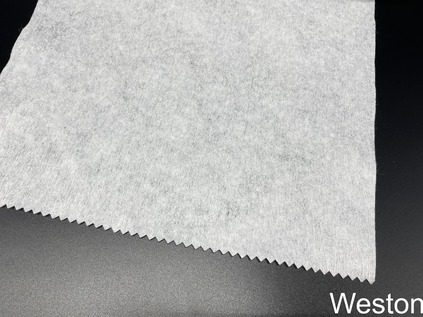
Surface-treated fabrics containing beneficial microbial communities establish symbiotic relationships with root systems from the moment of planting. These pre-inoculated systems accelerate establishment and enhance disease resistance.
In this innovation landscape, Weston Manufacturing advances fabric cultivation technology through numerous proprietary developments. Their Soilless Cultivation Grow Bags employ composite material structures balancing mechanical strength with precisely calibrated porosity. The company’s manufacturing process enables customized weight distribution that varies material thickness according to stress points and functional requirements.
For climate protection applications, their Spunlace Nonwoven Plant Frost Protection Cover products provide progressive insulation based on geographical needs – lighter 15-30gsm variants for temperate climates, heavier 90-120gsm materials for extreme conditions. This technical specificity prevents both under-protection and over-insulation that might trigger undesirable temperature peaks.
Urban gardeners wishing to experience this technology can request free samples through [email protected] to personally test growth differences of various herb species in different material containers. This simple comparative experiment may fundamentally transform your perception of balcony agriculture possibilities.
From simple containers to complex plant growth management systems, materials science advancements are redefining our ability to grow food in limited spaces. By understanding and applying these principles, even the smallest balcony can transform into a productive, sustainable herb garden, adding natural aroma and flavor to urban life.

WESTON
Privacy Policy | SiteMap
Copyright WESTON