- Email: [email protected]


Clean beauty in 2026 is no longer only about what goes into a bottle. It is also about what touches your skin every day. Small tools, especially disposable ones like cosmetic pads, are getting more attention. People are starting to ask simple but important questions: Is this gentle on my skin? Does it create unnecessary waste? Can it do its job better?
Among these everyday items, 3 Ply Cosmetic Pads are becoming a quiet but meaningful upgrade.
For years, clean beauty focused on removing harsh chemicals from skincare formulas. That work is still important. But now, the focus is expanding. Daily tools—cotton pads, wipes, applicators—play a direct role in how products perform and how skin reacts.
A rough pad can damage the skin barrier over time. A poorly made pad can waste toner or cleanser. Even worse, low-quality materials may leave residue on the skin. These are small problems, but they happen every day, which makes them worth solving.

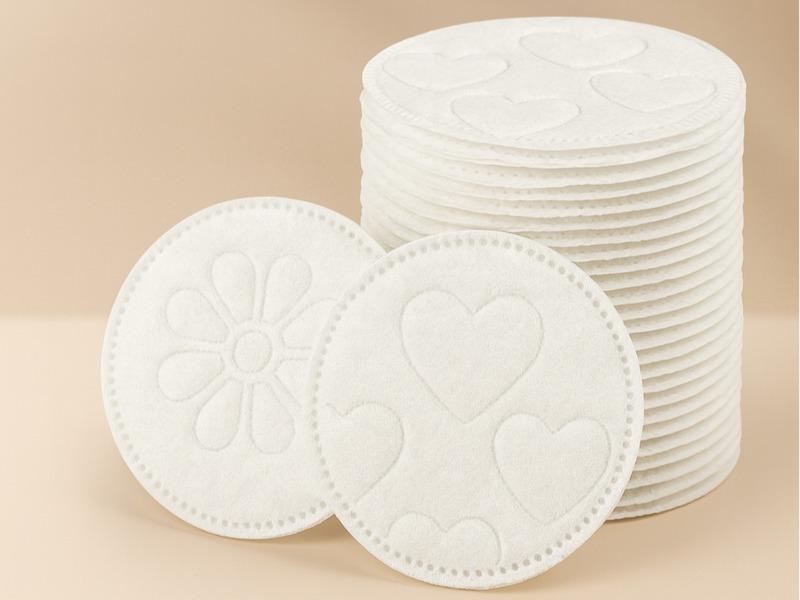
A 3 Ply Cosmetic Pad is built with three layers instead of one. This sounds simple, but it changes how the pad behaves during use.
The top layer is designed to stay smooth against the skin.
The middle layer holds and distributes liquid evenly.
The bottom layer adds strength and structure.
This layered design helps the pad stay intact, even when soaked. It also improves control, so users do not use more product than needed. Compared to thin, single-layer pads, the difference is easy to notice in daily routines.
Skin experts often talk about protecting the skin barrier. This barrier keeps moisture in and irritation out. When it is damaged, skin becomes sensitive, dry, or prone to breakouts.
One overlooked cause of damage is friction. Repeated rubbing with rough or shedding cotton pads can slowly weaken the barrier. A well-made 3 ply pad reduces this risk because it stays smooth and does not break apart easily.
Another factor is consistency. When liquid spreads evenly across the pad, users do not need to press or wipe multiple times. Less pressure means less irritation.
Not every “clean” product is automatically better. Some products sound eco-friendly but do not perform well, leading to more waste in real use.
This is where design matters. A thicker pad might seem wasteful at first, but if one pad can replace two or three thinner ones, the overall impact can be lower. Better absorption also means less product is poured out and thrown away.
Material sourcing still matters, but performance should not be ignored. Clean beauty in 2026 is about balance—safe materials, efficient design, and realistic use.
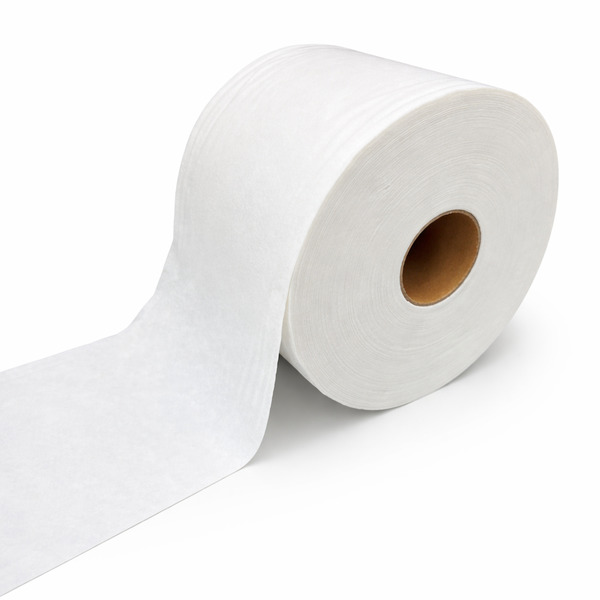
Many modern cosmetic pads and wipes are made using spunlace (also called hydroentangled) nonwoven fabric. This process uses high-pressure water to bind fibers together, instead of chemical adhesives.
This matters for two reasons. First, it reduces the need for added binders. Second, it creates a fabric that is both soft and strong.
Some manufacturers are also focusing on formaldehyde-free production processes. This helps reduce the risk of skin irritation, especially for people with sensitive skin.
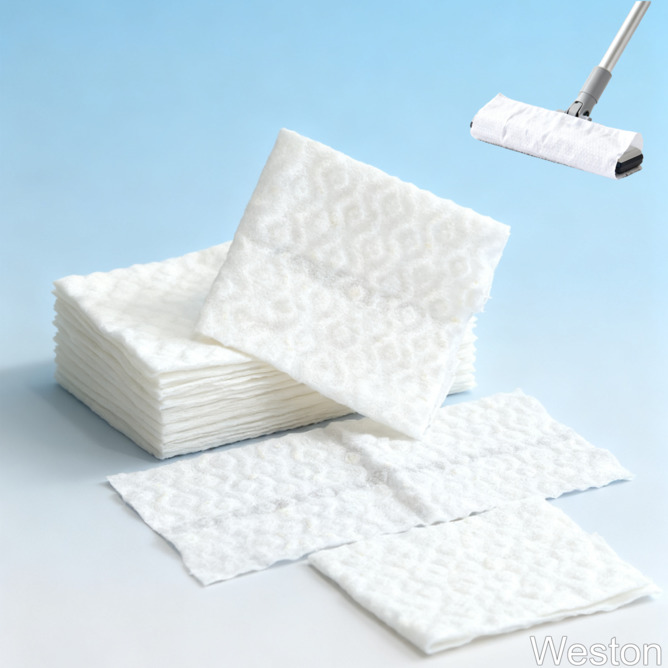
For example, Weston Manufacturing produces spunlace nonwoven materials that are formaldehyde-free and designed for skin contact. Their materials are used in products like 3 Ply Cosmetic Pads and Embossed Facial Cleansing Wipes. These kinds of details are not always visible to consumers, but they directly affect product safety and comfort.
Another emerging idea in clean beauty is upcycling. This means using leftover or secondary materials from other processes and turning them into useful products instead of discarding them.
In the context of cosmetic pads and wipes, upcycled fibers can reduce raw material waste. However, quality control is critical. If fibers are not processed properly, they can affect softness, strength, or hygiene.
This is why manufacturing standards matter as much as the concept itself. Factories with controlled production systems—such as Weston—are better positioned to handle upcycled materials without compromising safety or performance.
Beyond technical details, the real test is daily use. Most people do not think about fabric structure or fiber bonding. They notice simple things:
Does the pad fall apart when wet?
Does it leave lint on the face?
Does it waste product?
Does it feel soft or scratchy?
A well-designed 3 ply pad answers these questions quietly. It stays intact, feels smooth, and uses product efficiently. These small improvements can make routines feel more controlled and less messy.
Consumers do not need to become experts to make better choices. A few simple checks can go a long way:
Look for pads that are labeled lint-free or low-shedding.
Choose products made with minimal chemical processing.
Pay attention to how many pads you actually use per routine.
Notice how your skin feels after repeated use.
These observations are more useful than marketing claims.
Clean beauty is becoming more grounded. Instead of chasing perfect solutions, it is focusing on small, consistent improvements. Tools like cosmetic pads may seem minor, but they are used every day, often twice a day.
That makes them part of the bigger picture.
3 Ply Cosmetic Pads are not a dramatic innovation, but they represent a smarter approach: better structure, better performance, and less waste in real use. When combined with responsible manufacturing—such as formaldehyde-free spunlace materials and careful fiber sourcing—they show how clean beauty can evolve in a practical way.
Even something as simple as an embossed wipe or a layered cotton pad can reflect this shift. It is not about doing everything differently. It is about doing everyday things a little better.
WESTON
Privacy Policy | SiteMap
Copyright WESTON