- Email: [email protected]


Spills are easy to overlook until they happen. A tipped cup, a leaking container, a splash of oil—small incidents that quickly turn into bigger problems if not handled well. In many workplaces, from food processing to light manufacturing, cleanup is not just about appearance. It affects safety, hygiene, and efficiency.
The challenge is simple: most cleanup tools are not designed for the specific nature of spills. The result is wasted time, incomplete cleaning, and sometimes even contamination risks. Understanding the common problems behind spill cleanup can help buyers choose more practical solutions.
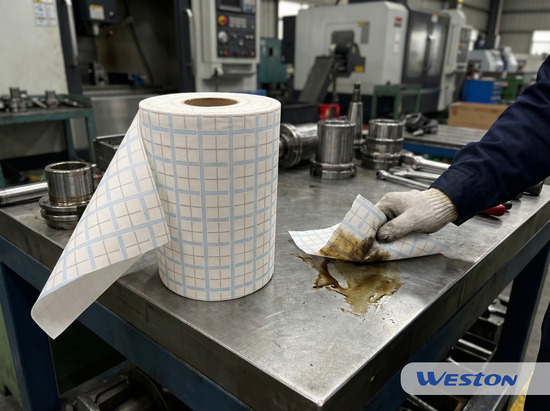
Liquid spills move fast. Water, chemicals, or oils can spread across smooth surfaces in seconds. Traditional cloths or low-quality wipes often push the liquid outward instead of absorbing it.
The key issue here is absorption speed. If a wipe cannot quickly capture liquid, the spill grows, increasing both cleaning time and risk.
The right wipes use structured fibers that pull liquid inward. High absorbency reduces spreading and allows operators to control the spill in one pass instead of several.
Sugary liquids, sauces, adhesives, or light industrial fluids often leave behind a thin, sticky layer. Even after wiping, the surface may feel clean but still attract dust or bacteria.
This happens when wipes only move residue instead of breaking it down.
Wipes with balanced moisture and proper surface texture can lift residue more effectively. They do not just remove visible dirt—they reduce what is left behind. For environments where cleanliness matters, this difference is important.
Oil-based spills behave differently from water-based ones. They resist simple wiping and tend to smear across surfaces.
In workshops or food-related environments, grease buildup is a common issue. Using the wrong material often spreads the contamination further.
Wipes designed for grease removal rely on fiber density and friction. A slightly textured surface helps grip oil particles, while the material structure prevents them from being redeposited elsewhere.
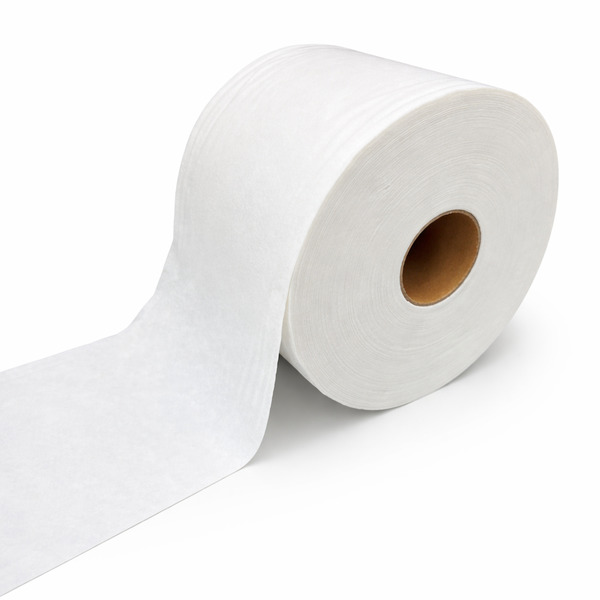
This is where Industrial Spill Cleaning Wipes become relevant. Products designed for this purpose focus on both absorption and lifting ability, rather than just surface wiping.
Reusable cloths are often used for convenience, but they can carry contaminants from one area to another. In food handling or shared workspaces, this creates hygiene risks that are not always visible.
Disposable wipes offer a more controlled approach. One wipe, one task. This simple rule reduces the chance of spreading bacteria or residues.
For procurement teams, this is not just a hygiene issue—it affects compliance and audit outcomes. Choosing the right wipe can support cleaner workflows without adding complexity.
Not all surfaces are equal. Stainless steel, coated equipment, glass panels, and electronic screens require careful handling. Rough materials can scratch, while overly wet wipes can leave marks or cause damage.
The problem often comes from using a single type of cloth for all tasks.
Modern nonwoven wipes can be engineered for different needs. For example, custom plain weave and high-friction industrial wiping nonwoven fabrics allow users to match the material to the surface. Smooth textures work better for delicate areas, while higher friction options handle tougher cleaning jobs.
This flexibility helps avoid unnecessary wear on equipment.

After cleaning, some surfaces still show streaks or small fibers. This is common with low-quality wipes that shed lint or distribute moisture unevenly.
In industries where presentation or precision matters, such as food production or electronics, this is more than a minor issue.
Lint-free wipes with stable fiber bonding solve this problem. They leave surfaces clear and consistent, reducing the need for repeated wiping.
Many cleaning routines involve multiple steps—absorbing, scrubbing, drying. This slows down operations, especially in fast-paced environments.
The root cause is using tools that only perform one function at a time.
Well-designed wipes combine absorption, strength, and surface friction. This allows workers to complete tasks faster with fewer materials. Over time, this improves efficiency and reduces overall consumption.
For procurement teams, choosing wipes is often treated as a low-priority decision. However, the impact shows up in daily operations—time spent cleaning, material usage, and even compliance risks.
Manufacturers like Weston Manufacturing focus on practical performance rather than marketing claims. Their spunlace nonwoven products are designed for real-world use, offering options in different materials and weights to suit specific applications.
Some of their products, including Industrial Spill Cleaning Wipes, come with SGS food contact certification and meet European standards. This makes them suitable for environments where safety and regulation matter.
The availability of custom plain weave and high-friction industrial wiping nonwoven fabrics also allows buyers to match products to actual cleaning tasks instead of relying on one generic solution.
Spill cleanup is not just about reacting quickly—it is about using the right tool from the start. Each type of spill brings a different challenge, and no single wipe solves everything unless it is designed with those challenges in mind.
A practical approach is to focus on performance: absorption, durability, surface compatibility, and hygiene. When these factors are considered together, cleanup becomes simpler, faster, and more reliable.
In the end, better wipes do not just clean spills—they reduce the effort behind every cleanup task.
WESTON
Privacy Policy | SiteMap
Copyright WESTON