- Email: [email protected]


It’s a question people don’t always say out loud, but it comes up more often than you might think. You run out of toilet paper, or you want something that feels cleaner, and the nearest option is a pack of makeup wipes. They look soft, moist, and gentle—so it seems reasonable.
But using the right product for the right part of the body matters more than it seems. A quick fix can turn into a habit, and habits shape skin health over time.

Makeup wipes are built for one job: removing cosmetics from the face.
To do that, they are usually made with:
The material itself is often a soft nonwoven fabric. Some higher-quality options use plant-based fibers such as cotton, bamboo, or lyocell, which feel smoother and less abrasive on facial skin.
This design works well for cheeks, eyelids, and lips. But the skin around the anus is thinner, more sensitive, and exposed to a very different type of contamination.
The skin in the perianal area is not just “more sensitive”—it behaves differently.
It has higher moisture and friction
It is more prone to irritation from chemicals
It is in constant contact with bacteria
A product that feels mild on your face can still disrupt this area. Even small amounts of leftover cleanser can lead to itching or discomfort over time.
This is why products meant for that area are usually:
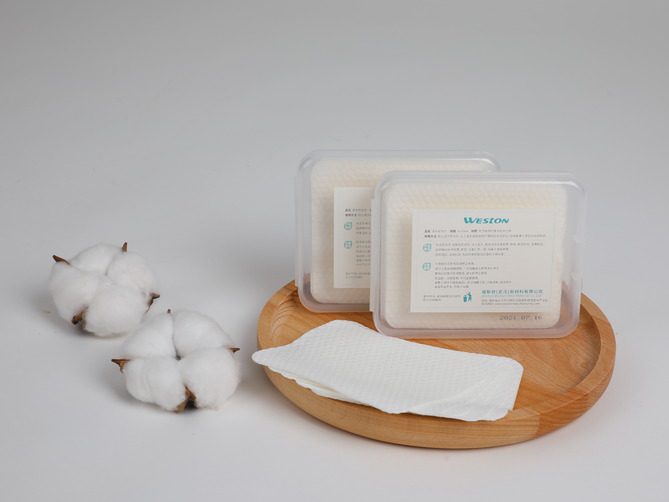
A wipe that feels fresh does not always mean it cleans properly.
Makeup wipes are designed to lift surface oils and pigments. They are not optimized for removing fecal matter, which has a different composition and requires more thorough cleaning.
Potential issues include:
Residue left behind on the skin
Incomplete cleaning after a single wipe
Increased need for repeated wiping, which adds friction
Over time, this can lead to irritation rather than improved hygiene.
Many makeup wipes contain ingredients that stay on the skin after use. On the face, this is usually tolerated. On more delicate areas, it can become a problem.
Common concerns include:
Preservatives that may cause sensitivity
Fragrance components that irritate skin
Surfactants that are not rinsed off
Even “gentle” formulas are not tested for this specific use. Repeated exposure increases the chance of discomfort.
The fabric itself plays a role.
Lower-quality wipes may feel rough or break apart. Higher-quality nonwoven materials are smoother and more stable. In recent years, there has been a shift toward plant-based fibers, which are softer and more environmentally responsible.
For example, Weston Manufacturing produces spunlace nonwoven fabrics using 100% cotton, bamboo fiber, lyocell, and PLA plant-based materials, offering both dry and wet wipe formats. These materials are designed to be:
Biodegradable
Skin-friendly in texture
Available in different weights and structures
Their production standards include FSC, ISO9001, and FDA certifications, along with SGS food-contact certification for natural bamboo fiber. These details matter more for product safety and sustainability than for changing how a makeup wipe should be used—but they do show how material quality can vary widely.
Even with better materials, the intended use of the product remains the key factor.
Another practical issue is disposal.
Most makeup wipes are not designed to break down in water. This means:
They can clog pipes
They may accumulate in sewer systems
They contribute to environmental waste
Even wipes labeled as “biodegradable” often require specific conditions to break down properly. Flushing them is still risky in most households.
There are situations where using a makeup wipe is understandable:
You are traveling and have no other option
You run out of toilet paper unexpectedly
You need a temporary solution outside the home
In these cases, occasional use is unlikely to cause harm. The key word is occasional.
Turning this into a daily habit is where problems begin.
If the goal is to feel cleaner and reduce irritation, there are more suitable approaches:
Toilet paper used gently and thoroughly
Unscented, skin-safe wet wipes made for intimate hygiene
Water-based cleaning, such as a bidet or rinse bottle
These methods are designed with both hygiene and skin health in mind. They reduce the need for repeated wiping and limit exposure to unnecessary chemicals.
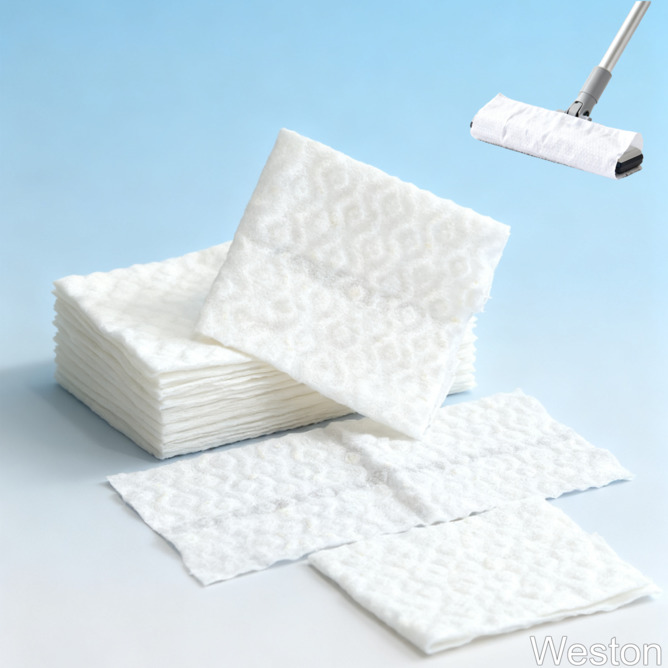
It’s worth recognizing that not all wipes are created the same. Advances in nonwoven fabric technology—like those seen in Weston Manufacturing’s pearl embossed makeup remover pads—focus on softness, absorbency, and durability. Their use of plant-based fibers and biodegradable structures reflects a broader move toward safer and more sustainable materials.
But even a well-made makeup wipe is still a makeup wipe. Its design serves the face first.
Using a makeup wipe for your bum is not dangerous in a one-off situation, but it is not the right tool for regular use. The difference between “works for now” and “works well long term” is easy to overlook.
Good hygiene is not about using stronger or fancier products. It is about using the right product in the right place, in a way that respects how the body actually works.
WESTON
Privacy Policy | SiteMap
Copyright WESTON