- Email: [email protected]


Choosing baby wipes may seem simple, but for caregivers and procurement professionals, it requires balancing skin safety, material performance, usability, and supply stability. Infant skin is thinner and more sensitive than adult skin, so even small differences in wipe composition and structure can significantly affect comfort and health.
This guide focuses on practical, science-based considerations while addressing real sourcing challenges.
Baby wipes are not just cleaning tools—they directly interact with one of the most delicate biological systems: newborn skin.
Infant skin has a weaker protective barrier
It loses moisture more quickly
It absorbs external substances more easily
Poorly designed wipes can lead to:
Skin redness and irritation
Increased risk of diaper rash
Long-term skin sensitivity
For this reason, many buyers are prioritizing Baby Wipes For Red Butt, designed to reduce friction and minimize irritation during cleaning.

When evaluating wipes, formulation should always come first.
High water content (typically above 95%)
Short and simple ingredient list
No added fragrance or alcohol
Mild, skin-friendly preservatives
Harsh preservatives with irritation potential
Artificial fragrances and dyes
Strong antibacterial chemicals
A clean formulation helps protect the skin’s natural microbiome, which is critical during early development.
While ingredients are important, the nonwoven fabric itself plays an equally critical role.
Softness: Prevents micro-damage to delicate skin
Strength: Avoids tearing during use
Absorbency: Improves cleaning efficiency
Uniform texture: Reduces uneven friction
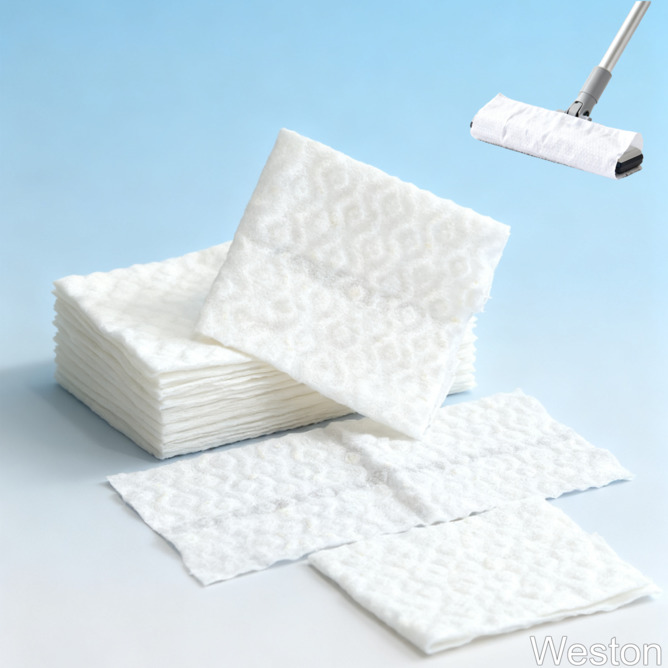
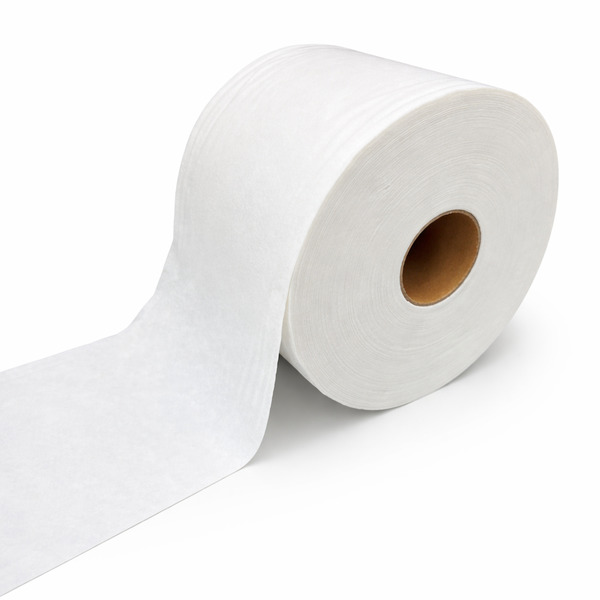
High-quality wipes typically use spunlace (hydroentangled) nonwoven fabric, where fibers are bonded using high-pressure water instead of chemicals. This results in a material that is both strong and gentle.
For buyers working with a Baby Wipes Manufacturer, customization options such as:
Fabric weight (GSM)
Thickness
Texture (including plain pattern structures)
are essential for meeting different market needs.
Thickness directly affects usability and cost efficiency.
Lower cost per unit
Suitable for light cleaning
May require multiple wipes per use
Better absorbency
More effective for heavy-duty cleaning
Reduce total usage per diaper change
A well-designed wipe focuses on cost per use, not just price per pack.
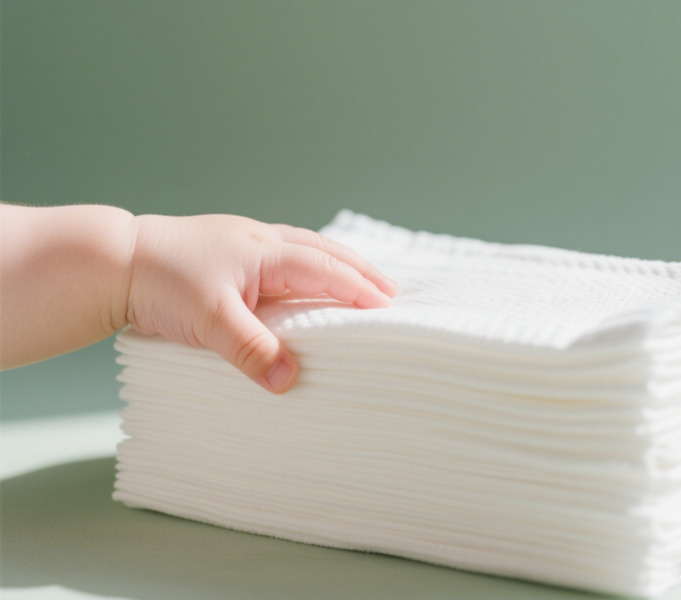
Packaging design strongly affects user experience.
For bulk buyers, packaging consistency also influences logistics efficiency and brand perception.
Both types serve different purposes.
Ready to use
Convenient for daily care
Pre-formulated for safety
Flexible usage
Can be paired with water or custom solutions
Ideal for sensitive or clinical scenarios
A reliable supplier should offer both dry and wet wipe solutions with consistent quality.
For global markets, compliance is essential.
Buyers should verify:
Third-party testing
Food-contact safety certification
Compliance with European standards
Products from Weston Manufacturing spunlace nonwoven factory are produced under strict quality control, with SGS food-contact certification and full EU standard compliance, making them suitable for sensitive baby care applications.
This reduces risks in:
Import and export processes
Retail distribution
End-user safety assurance
In competitive markets, customization is critical.
A capable Baby Wipes Manufacturer should support:
Multiple material blends (viscose, polyester, wood pulp)
Adjustable thickness and GSM
Surface customization (including plain texture options)
Flexible sizing and packaging
Weston Manufacturing spunlace nonwoven factory provides customizable solutions for:
Premium product lines
Sensitive skin applications
Cost-efficient bulk supply
Preventing diaper rash depends on the interaction between liquid, fabric, and skin.
Effective wipes should:
Baby Wipes For Red Butt are specifically designed with:
Ultra-soft fiber composition
Optimized liquid retention
Reduced chemical exposure
These features help improve comfort and reduce irritation frequency.
A structured sourcing approach is essential.
A supplier like Weston Manufacturing spunlace nonwoven factory, offering:
provides a reliable foundation for building competitive baby wipe products.
Selecting the right baby wipes is about aligning material science, skin safety, and real-world usability. When formulation, fabric quality, and manufacturing capability work together, the result is a product that delivers both performance and trust in everyday use.
WESTON
Privacy Policy | SiteMap
Copyright WESTON