- Email: [email protected]


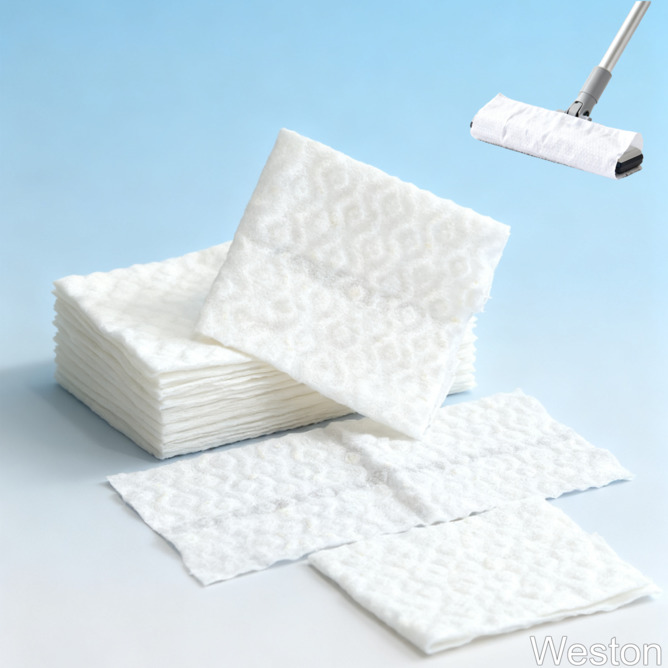
Used toilet paper seat wipes seem harmless, but disposal is where many bathrooms run into trouble. The rule is simple: if a wipe has been used, treat it as waste, not as toilet paper. In most cases, the safest and cleanest way to dispose of it is to throw it into a lined trash bin instead of flushing it.
A used wipe is not just “paper” anymore. Once it has touched skin, moisture, or cleaning liquid, it changes from a light bathroom item into mixed waste. That matters because plumbing systems are built to handle easy-to-break-down materials, not wipes that can stay intact for a long time. When people flush wipes too often, the result is usually slow drains, blockages, bad odors, and extra maintenance.
This is why a simple habit can save a lot of trouble. The bathroom is one of the smallest rooms in the house, but it can cause some of the biggest plumbing problems when disposal is careless.

The best method is straightforward:
| Situation | Best action | Why |
| Used toilet paper seat wipe at home | Put it in a lined trash bin | Reduces clog risk |
| Used wipe in a public restroom | Dispose of it in the stall bin if available | Keeps the space sanitary |
| Wipe with unclear packaging claims | Do not flush it | “Flushable” is not always reliable |
| Biodegradable wipe | Still follow package instructions first | Biodegradable does not always mean flush-safe |
If the wipe is already used, wrap it in tissue if needed, then place it directly into the bin. A bin with a lid works best because it contains odor and keeps the room looking neat. After that, wash your hands well. The process is short, but it makes a real difference.
Do not flush a wipe just because it looks thin or soft. Appearance is not the same as performance in pipes. Do not trust the word “disposable” without checking what it really means. And do not leave used wipes on counters, floors, or open surfaces, because that creates a hygiene problem before it becomes a plumbing one.
A lot of bathroom trouble comes from one false idea: “small item, small risk.” In reality, small mistakes add up. One wipe may not seem serious, but repeated flushing can become a major issue over time.
The best bathroom routine is easy to remember: use, wrap, toss, wash. That is all. Keep a small trash bin near the toilet so disposal feels natural, not awkward. Use a trash liner so cleanup is simple. Empty the bin regularly so the room stays fresh.
This routine also works well in shared spaces. In offices, hotels, and public restrooms, clear disposal habits help everyone. Clean bathrooms are not built by luck; they are built by small, repeated actions.

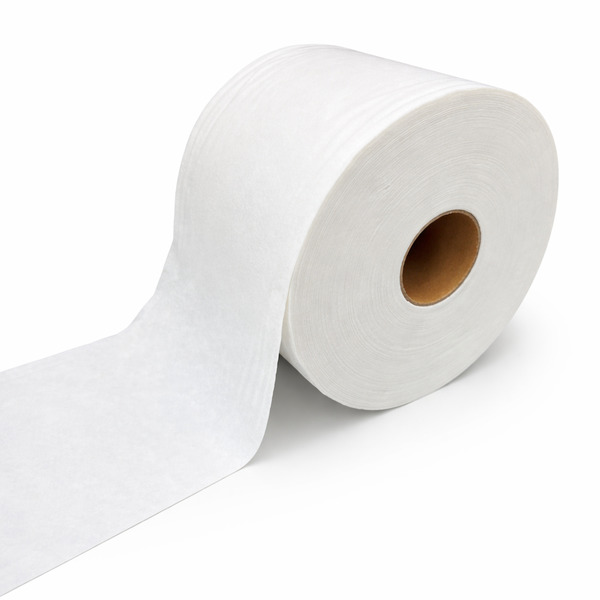
Not all wipes are made the same way. For brands and manufacturers, material quality matters because it affects both comfort and disposal behavior. This is where products such as Flushable Nonwovens For Toilet Wet Wipes get attention in the market. The key point is still practical: product claims should match real use, and disposal guidance should always be clear.
For buyers looking deeper into supply options, the keyword Flushable Lyocell Nonwoven Fabric Roll Supplier often appears in sourcing conversations. In real terms, what people want is simple: a wipe material that performs well, feels good, and follows clear safety standards. Weston Manufacturing positions itself around that need, with food-contact certification and no formaldehyde in its product line, which can matter for brands focused on safer material choices.
The best disposal rule is not complicated. If a toilet paper seat wipe has been used, put it in the trash unless the manufacturer gives very clear and reliable flush guidance. That one choice protects plumbing, keeps bathrooms cleaner, and avoids unnecessary repair costs.
Good bathroom hygiene is not about being fancy. It is about doing the ordinary thing the right way, every time.
WESTON
Privacy Policy | SiteMap
Copyright WESTON