- Email: [email protected]


Baby wipes look simple, but their production is a tightly controlled process. For buyers and sourcing managers, understanding how they are made helps you judge quality beyond price or branding. This guide walks through the real production steps in clear terms, so you can make practical decisions.
A good baby wipe is not about fragrance or packaging. It comes down to three things: material safety, liquid balance, and production control. Each step in manufacturing affects skin safety and user experience.
For example, a wipe that feels soft in your hand may still cause irritation if the liquid formula is unstable or poorly preserved. That is why the process matters as much as the ingredients.

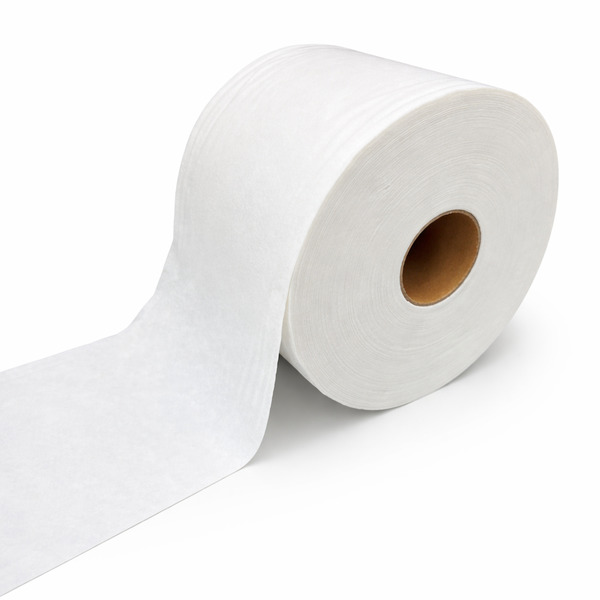
Most baby wipes use spunlace nonwoven fabric. This material is made by bonding fibers with high-pressure water jets instead of glue. The result is soft, flexible, and strong.
Common fibers include:
Viscose (for softness and absorbency)
Polyester (for strength and structure)
Blends of both for balance
For buyers, the key question is: does the fabric hold together when wet? Weak fabric leads to tearing, linting, and poor user experience.
The liquid is usually over 95% purified water. The rest includes:
Mild surfactants for cleaning
Humectants to keep moisture
Preservatives to prevent bacteria
A common mistake is assuming “more ingredients = better.” In reality, simpler formulas often perform better and reduce irritation risk.
Water quality directly affects product safety. Manufacturers typically use:
Multi-stage filtration
Reverse osmosis
UV sterilization
If this step is weak, even a good formula can fail. Contaminated water can lead to microbial growth, which is a serious issue in baby care products.
For procurement teams, asking about water purification systems is more useful than asking about fragrance options.
In spunlace production, fibers are entangled using high-pressure water jets. This avoids chemical binders and keeps the fabric gentle.
A reliable spunlace fabric should:
Stay intact when stretched
Feel smooth without loose fibers
Absorb liquid evenly
Manufacturers like Weston Manufacturing focus on this stage because it directly impacts wipe performance. Their materials are also used in products such as Exfoliating Facial Wipes, where both strength and softness are critical.
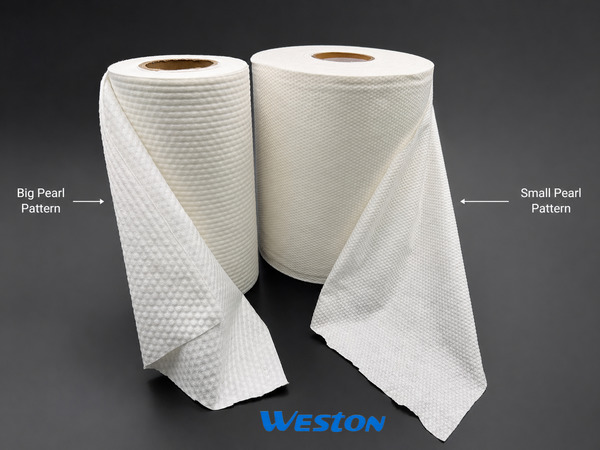
Once the fabric is ready, it is soaked in the liquid solution.
This step is more technical than it looks:
Too little liquid makes wipes dry and ineffective
Too much liquid causes dripping and waste
Uneven distribution leads to inconsistent quality
Modern production lines use automated systems to control liquid levels precisely. Consistency is the goal—every wipe in the pack should feel the same.
After saturation, the fabric is cut and folded.
Z-fold for easy pull
Interfold for continuous dispensing
Good folding ensures:
One wipe comes out at a time
Minimal waste
Smooth user experience
This step is often overlooked, but poor folding can frustrate users and reduce product value.
Packaging protects the wipes from drying out and contamination.
Key features include:
Airtight sealing
Resealable lids or adhesive covers
Durable materials that prevent leaks
For bulk buyers working with a dry wipes supplier, packaging flexibility is also important. Some suppliers offer customizable packaging formats depending on market needs.
Every batch of baby wipes should go through strict testing:
Microbial testing to ensure safety
Stability testing for shelf life
Skin compatibility testing
This is where many low-cost products fail. Without proper testing, issues may only appear after the product reaches consumers.
For sourcing, always ask for testing reports rather than relying on claims.
Understanding the process helps you avoid common sourcing mistakes:
Do not focus only on price per pack; check fabric weight and liquid ratio.
Ask about spunlace production capability, not just finished products.
Verify water purification standards.
Request consistency data across batches.
If your application includes both wet and dry formats, working with a flexible dry wipes supplier can simplify your supply chain.
The market is moving toward:
Simpler formulations
Biodegradable fibers
Transparent ingredient labeling
At the same time, performance expectations remain high. Products like Exfoliating Facial Wipes show that nonwoven materials can serve multiple functions when engineered properly.
Suppliers such as Weston Manufacturing are part of this shift, focusing on material quality at the source rather than adding complexity later.
A well-made baby wipe is the result of controlled processes, not marketing claims. Clean water, stable fabric, balanced formulation, and consistent production matter more than labels like “natural” or “premium.”
For buyers, the smartest approach is simple: understand the process, ask the right questions, and choose suppliers who can explain how their products are made—not just what they claim.
WESTON
Privacy Policy | SiteMap
Copyright WESTON