- Email: [email protected]


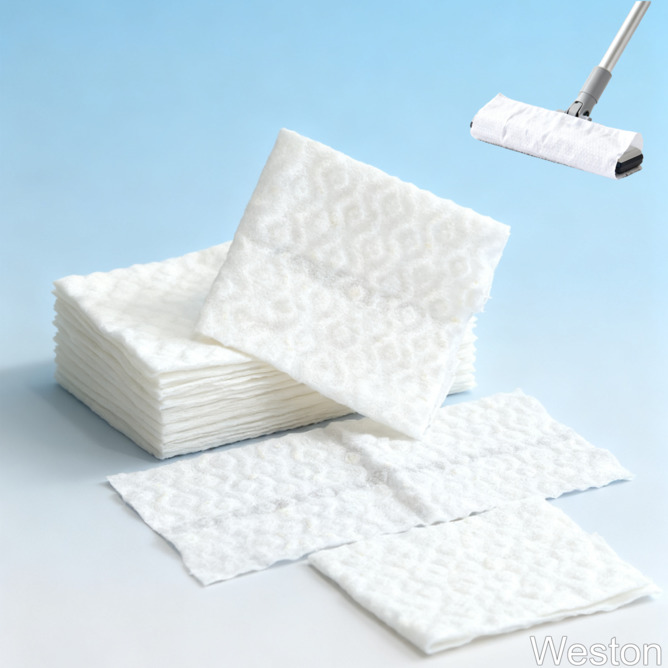
Disposable wood pulp wiping cloths are industrial cleaning wipes made primarily from wood pulp fibers, often blended with nonwoven materials like polyester or polypropylene. They are designed for single-use or short-term use in environments where efficiency and hygiene matter.
Unlike traditional rags, which vary in quality and often require washing, or paper towels that tear easily, these cloths offer a balanced structure—soft, strong, and absorbent. They are engineered to handle real cleaning tasks without falling apart.
Wood pulp is a natural, plant-based fiber known for its high absorbency. Its internal fiber structure allows it to quickly soak up water, oil, and other liquids, making it highly effective in industrial settings.
Compared to fully synthetic wipes, wood pulp blends tend to:
Absorb liquids faster
Hold more fluid without dripping
Provide a softer touch for delicate surfaces
From a sustainability perspective, wood pulp comes from renewable resources. While these cloths are still disposable, the material choice offers a more balanced approach compared to purely plastic-based wipes.

In day-to-day operations, consistency is often more valuable than anything else. Disposable wood pulp wiping cloths deliver predictable performance every time.
They help solve common problems:
No sorting or washing like reusable rags
No unexpected lint or debris from old cloths
No storage issues for dirty textiles
Many versions are also low-lint, which makes them suitable for environments where surface cleanliness is critical.
Ideal for wiping down machinery, removing grease, and handling industrial fluids. Their strength prevents tearing during heavy-duty tasks.
Used for cleaning tools, polishing surfaces, and managing oil spills. They offer better durability than standard paper wipes.
Single-use design supports hygiene protocols and reduces the risk of cross-contamination.
Helpful in maintaining sanitary conditions, especially in high-turnover cleaning tasks.
Low lint performance makes them suitable for sensitive surfaces where residue can cause defects.
Reusable cloths may seem cost-effective at first, but they come with hidden costs—washing, labor, storage, and inconsistent quality.
Disposable wood pulp wiping cloths are the better option when:
Hygiene control is a priority
Cleaning speed matters
Labor costs outweigh reuse savings
Consistent performance is required
In fast-paced environments, the time saved often justifies the switch.
Not always. When factoring in water, energy, and labor used for washing reusable cloths, disposable options can be a practical and controlled solution.
Paper towels break easily and lack the strength for industrial tasks. Wood pulp wiping cloths are designed to handle pressure, friction, and heavier liquids.
Material composition makes a big difference. The blend of wood pulp and synthetic fibers directly affects absorbency, strength, and lint levels.
Heavier cloths are better for tough jobs; lighter ones suit quick, everyday cleaning.
Embossed or textured cloths improve scrubbing power, while smooth surfaces work better for polishing.
Higher wood pulp content increases absorbency; synthetic fibers add strength and durability.
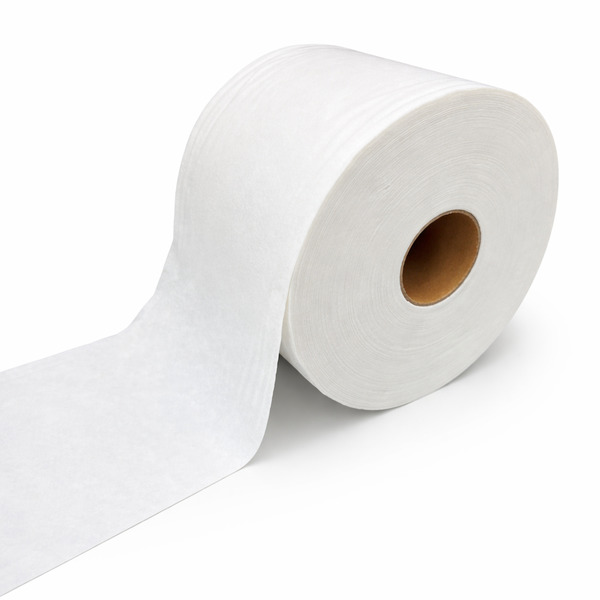
Rolls are ideal for high-volume use, while boxed sheets offer convenience and controlled dispensing.

A manufacturing facility switching from reusable rags to disposable wood pulp wiping cloths often sees immediate improvements. Cleaning becomes faster, surfaces stay more consistent, and workers spend less time managing dirty materials.
Instead of dealing with mixed-quality rags, teams use a standardized product that performs the same way every time. This leads to better workflow and easier cost tracking.
Disposable wood pulp wiping cloths are not a complex solution, but they address everyday challenges in a straightforward way. They bring together absorbency, strength, and convenience in a format that fits modern work environments.
For many industries, choosing the right wiping material is a small decision that can make daily operations smoother, cleaner, and more predictable.
WESTON
Privacy Policy | SiteMap
Copyright WESTON