- Email: [email protected]


Textile fibers are the fundamental building blocks of the fabrics that make up our clothing, home furnishings, and increasingly vital medical and industrial products. Defined as units of matter with a length at least 100 times their diameter, these slender materials can be spun into yarns or formed directly into fabrics. Based on their origin and manufacturing process, textile fibers are systematically classified into three primary categories: Natural Fibers, Regenerated Fibers, and Synthetic Fibers. Understanding the distinct characteristics of these categories is fundamental to textile science and crucial for material innovation.
The classification of textile fibers is based strictly on their chemical structure and source. A fiber is a material characterized by its extremely high length-to-width ratio, which allows it to be spun into yarn. Internationally recognized standards, such as those established by the Textile Fiber Products Identification Act, provide clear legal definitions for fiber names, ensuring accurate product labeling and consumer understanding.
This classification goes beyond mere origin (natural or man-made) to delve into the molecular chemistry of the fiber. This chemical makeup directly dictates key properties like strength, moisture absorption, hand-feel, and ultimately, the suitable applications for the fiber. The following chart provides a clear overview of the three main categories and their primary sub-types:

Natural fibers are those that are found in nature and used in their existing fibrous form; no chemical synthesis is needed to create the fiber polymer. They are primarily derived from plants and animals and represent the oldest textiles known to humanity.
Plant fibers, such as cotton, are composed mainly of cellulose. Under a microscope, cotton fibers show a unique twisted, ribbon-like shape, which contributes to the breathability and high moisture absorption of cotton fabrics. However, cotton fibers have relatively low strength, which decreases when wet, and are prone to mildew in damp conditions.
Animal fibers, like wool and silk, are based on proteins. Wool has a scaly surface structure, giving it unique felting properties and excellent thermal insulation. Silk is a natural filament known for its luxurious luster and smooth feel, but it is also sensitive to alkalis and can lose strength when wet.
The greatest advantage of natural fibers is their biodegradability and environmental friendliness. They come from nature and can return to it, aligning with circular economy principles. However, their production is heavily dependent on climate, land availability, and susceptibility to pests, leading to fluctuations in supply and quality. In terms of performance, they often suffer from inconsistency, high sensitivity to chemicals, and deficiencies in properties like wrinkle resistance and durability.
Regenerated fibers are made from natural polymers (like cellulose from wood or cotton linters) that are chemically dissolved into a solution and then extruded through a spinneret to solidify into new fibers. The key distinction is that the chemical composition remains the same (e.g., it’s still cellulose), but the physical structure is completely reshaped by the manufacturing process.
Viscose rayon is the most common regenerated cellulose fiber. Its production can be adjusted to create high-luster filaments or short staples that mimic cotton. Viscose is known for its exceptional softness and higher moisture absorption than cotton. A significant drawback of traditional viscose is its low wet strength, making it fragile when saturated. Furthermore, its production can involve chemicals like carbon disulfide, posing environmental concerns.
Newer generations of regenerated fibers have been developed to overcome these issues. Lyocell, for example, uses an organic solvent (NMMO) in a closed-loop process where over 99% of the solvent is recycled. Lyocell fibers not only offer the comfort of cotton but also possess high strength, both wet and dry.
Another category is regenerated protein fibers (Azlon), made from proteins like milk or soy. While they aim to combine the comfort of natural proteins with the controllability of manufacturing, their market share remains small.
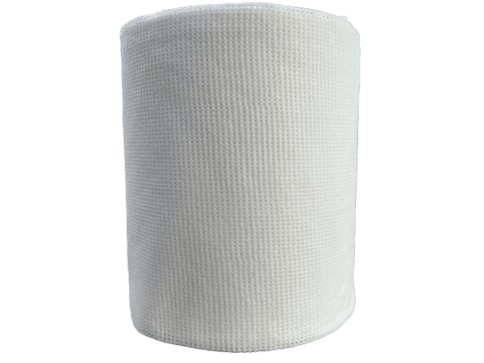
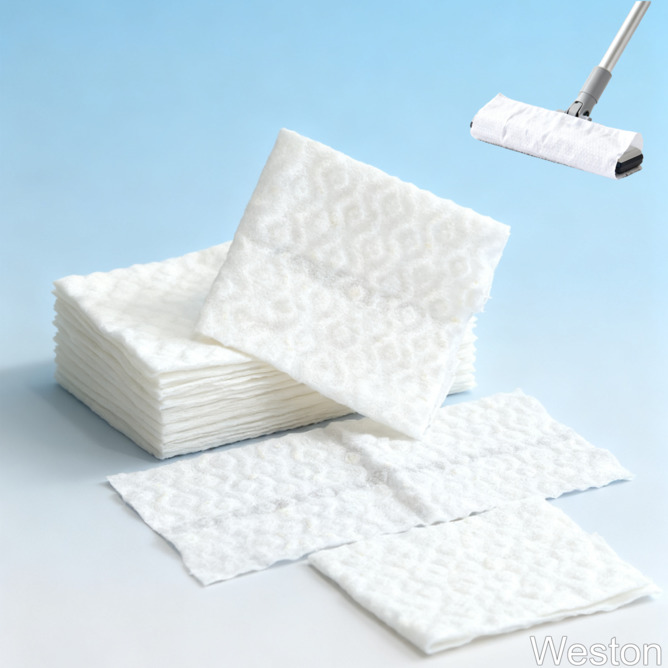
Regenerated fibers strike a balance between natural and synthetic advantages. They retain the skin-friendly and biodegradable qualities of natural materials while achieving uniform quality and tailored functionality through industrial production. Their value is immense in modern hygiene and medical care. For instance, the Spunlace technique uses high-pressure water jets to entangle regenerated fibers (like viscose) with others, creating nonwoven fabrics ideal for Spunlace First Aid Wipes. These wipes are soft, strong, highly absorbent, and low-linting, making them perfect for sensitive tasks like surgical prep and wound cleaning. Similarly, materials like Square Embossed Spunlace Viscose leverage embossing patterns to create micro-channels that enhance liquid absorption speed, a critical feature for hygiene products.
Synthetic fibers are the youngest but fastest-growing category. The fiber-forming substances are synthetic polymers created by chemically linking small molecules (monomers) into long chains. These fibers do not exist in a fibrous form at any point in nature; they are entirely human-made.
Polyester is the dominant synthetic fiber. Polyester fabrics are prized for their excellent wrinkle resistance, high strength, and shape retention, but they have low moisture absorption, leading to static cling.
Nylon, the first fully synthetic fiber, is renowned for its exceptional toughness and elasticity.
Polyolefin fibers (like polypropylene) are lightweight, hydrophobic (water-repelling), and chemically resistant.
The greatest advantage of synthetic fibers is the high degree of design control. By altering polymer chemistry and production processes, engineers can create fibers with specific properties, from ultra-fine microfibers to high-tenacity industrial yarns. Their production is not subject to natural variations, ensuring consistent supply and performance that often surpasses natural fibers in mechanical durability.
However, the downside of synthetics is significant. They are predominantly derived from non-renewable petroleum resources and most are not biodegradable, contributing to long-term environmental pollution. Research into bio-based monomers, recycling technologies, and biodegradable synthetics is a major focus today.
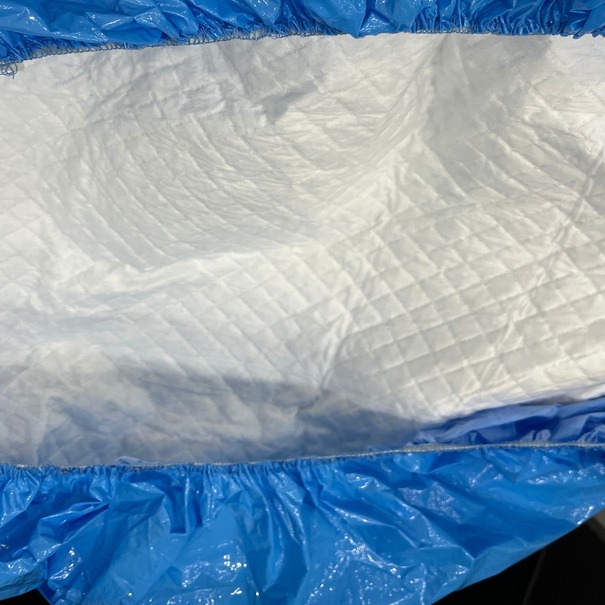
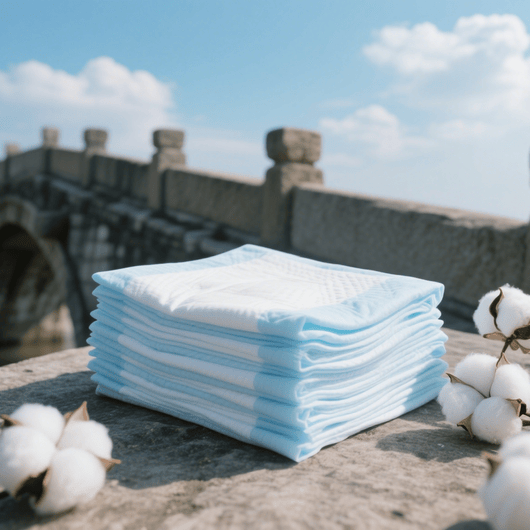
The potential of synthetic fibers is fully realized in advanced applications. In medical protective gear, precisely engineered synthetic nonwovens can create barriers that are both breathable and effective against pathogens. When designing products like Portable Medical Bed Pads, the strength and durability of synthetic components ensure the product remains intact and safe for patients, even under pressure.
Modern textile technology increasingly focuses on blending and innovating with multiple fiber types. By combining the comfort of natural fibers, the balanced performance of regenerated fibers, and the durability of synthetics, scientists create composite materials with superior properties.
For example, blending biodegradable viscose with functional synthetic fibers can result in products that meet performance requirements while being more environmentally friendly. This fusion approach is driving textiles towards greater functionality, intelligence, and sustainability.
The future will see an expansion of fiber sources, including novel natural fibers from biotechnology, regenerated fibers from algae or waste, and smart synthetic fibers with capabilities like sensing or energy harvesting. A deep understanding of these three fiber categories remains the key to unlocking future material innovations.
If you are interested in evaluating advanced fiber-based healthcare products such as Portable Medical Bed Pads or Spunlace First Aid Wipes, you are welcome to request a free sample by contacting our team at [email protected].

WESTON
Privacy Policy | SiteMap
Copyright WESTON