- Email: [email protected]


Bamboo has built a reputation as one of the most sustainable materials on the planet. It grows fast, needs little water, and doesn’t rely on pesticides. When you hold a piece of bamboo fabric, it feels soft, cool, and clean — qualities that naturally attract eco-conscious consumers. Yet beneath its “green” image, bamboo fabric has a few downsides that are often overlooked. Understanding them gives a clearer picture of what sustainability really means in the textile world.
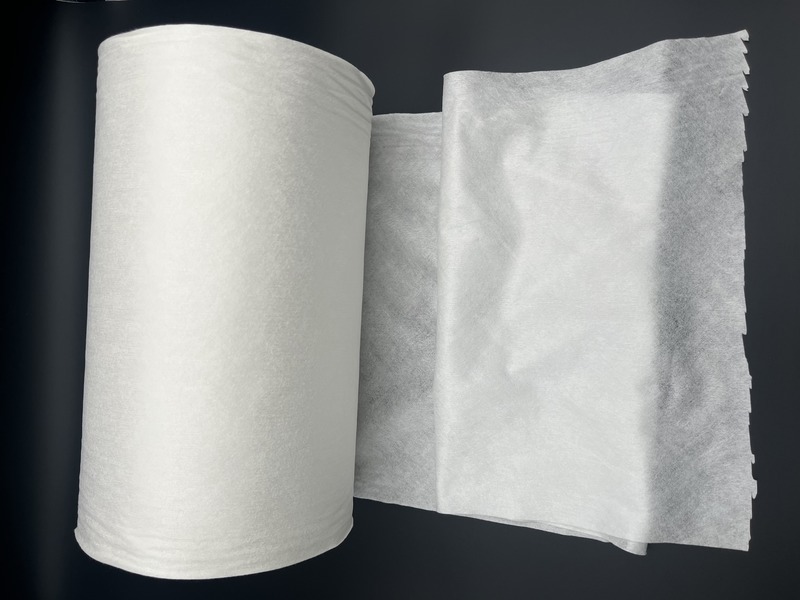
Bamboo is a plant, but bamboo fabric isn’t always as natural as it sounds. Most bamboo textiles on the market are made through a chemical process that transforms bamboo pulp into viscose or rayon. This transformation relies on solvents like sodium hydroxide and carbon disulfide — substances that can be harmful if not properly handled or recycled.
Mechanically processed bamboo, sometimes called “bamboo linen,” is much more eco-friendly because it uses physical crushing and natural enzymes to extract fibers. However, this method is slow, expensive, and rarely used in mass production. As a result, the majority of what we call “bamboo fabric” today is actually bamboo viscose, not pure bamboo fiber.
The silky texture of bamboo viscose comes at an environmental cost. Chemical processing generates wastewater that, if untreated, can harm rivers and soil. The production facilities that don’t operate in a closed-loop system risk releasing these substances into the environment.
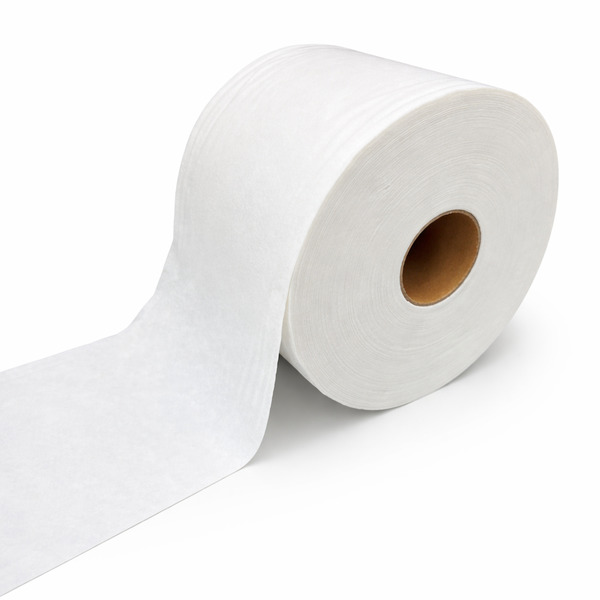
Some manufacturers, like those specializing in Bamboo Charcoal Spunlace Material, are trying to bridge this gap by using advanced hydroentanglement technology instead of harsh chemicals. This method binds fibers using high-pressure water jets rather than solvents, keeping the material’s softness while lowering its ecological impact. It’s a step in the right direction — but not yet the industry standard.
While bamboo fabrics are admired for their smooth feel and breathability, they can be less durable than they appear. Bamboo viscose tends to lose strength when wet and may pill or shrink over time. For everyday products such as bed linens or towels, this means a shorter lifespan compared to natural cotton or linen.
Caring for bamboo garments requires attention — gentle washing, mild detergent, and air drying are usually recommended. Otherwise, the fibers may weaken, and the once-luxurious drape can fade faster than expected. From a sustainability standpoint, short-lived textiles counteract the environmental benefits of using renewable materials.
Beyond its ecological footprint, bamboo fabric raises social questions. The majority of bamboo textile production takes place in regions where chemical management and labor protections vary widely. Workers exposed to chemical vapors in viscose factories can face health risks if safety standards are poor.
Another issue lies in the supply chain opacity. It can be hard for consumers to know whether their “eco” fabric came from a responsible source or a high-pollution plant. Certifications such as OEKO-TEX, FSC, and GOTS can help, but not all brands use them. The lack of transparency makes it difficult to separate truly sustainable bamboo products from those that merely sound sustainable.

Bamboo fabric is often sold at premium prices under the promise of being more sustainable. However, that price difference does not always reflect genuine environmental responsibility. Many products labeled “bamboo” are, in reality, chemically processed viscose with no traceability of the raw source.
Consumers may also assume bamboo fabrics are naturally antibacterial or UV-resistant, as some brands claim. While raw bamboo has these properties, they rarely survive the heavy chemical processing needed to turn bamboo into viscose. The final fabric’s performance often depends more on finishing treatments than the bamboo plant itself.
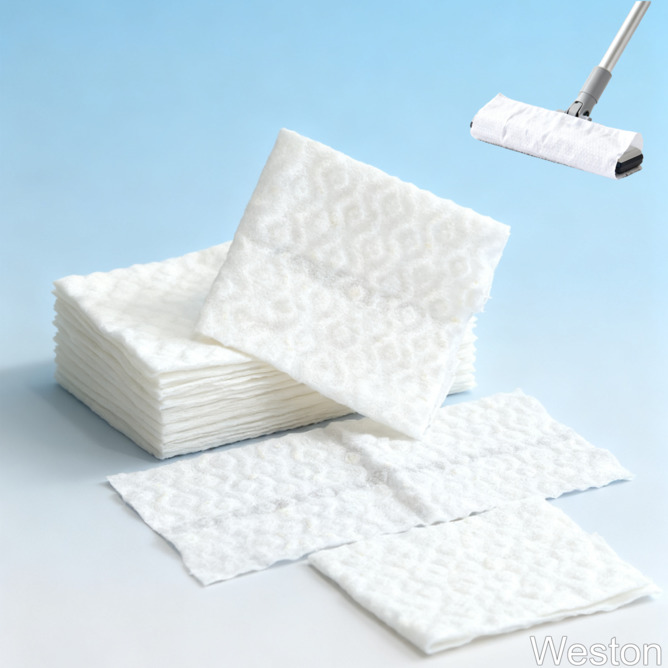
Despite its challenges, bamboo remains a promising renewable resource — especially when paired with cleaner technologies. New manufacturing methods such as spunlace nonwoven production have changed how bamboo fibers can be used. Instead of turning the pulp into viscose, water-based bonding systems like those used by Weston Manufacturing create strong, chemical-free fabrics ideal for wipes, napkins, and home care applications.
For instance, Weston’s Bamboo Charcoal Spunlace Material combines bamboo’s natural absorbency with the deodorizing properties of charcoal, offering a functional and more sustainable alternative to traditional nonwovens. It represents a practical direction for bamboo’s future — one that focuses on engineering innovation rather than chemical shortcuts.
The story of bamboo fabric is a lesson in complexity. A material that begins as one of nature’s fastest-growing plants can end up as an industrial product with significant environmental costs. Yet, those same qualities — fast growth, renewable yield, and comfort — make bamboo too valuable to dismiss. The key lies in production methods, supply chain honesty, and consumer awareness.
Choosing bamboo fabrics that are responsibly sourced and produced with modern water-based technologies can help align comfort with sustainability. Brands that prioritize material science, like those developing spunlace nonwovens, show that eco-friendly textiles don’t have to rely on toxic chemistry to perform well.
Bamboo fabric’s downsides remind us that “green” materials are not automatically sustainable. The true value of bamboo lies in how wisely it’s used and how transparently it’s made. When supported by innovation and accountability, this ancient plant can still shape a cleaner future for textiles — one fiber at a time.
WESTON
Privacy Policy | SiteMap
Copyright WESTON