Look around your home: the tissue you grab after washing your hands, the cleaning wipe that tackles kitchen grease, even the printer paper for your work documents—all share a hidden foundation: pulp wood. Yet most people never stop to ask: What is pulp wood, exactly? It is not just “wood used to make paper.” Pulp wood is a purpose-grown, carefully processed raw material that powers a trillion-dollar global industry, blending sustainability, versatility, and technical precision. To understand its meaning, we must dig into its definition, how it becomes useful fiber, its strengths and challenges, and how modern innovation (like Weston’s nonwovens) is expanding its impact beyond traditional paper.
What Exactly Is Pulp Wood? Core Definition and Classification
At its core, pulp wood is wood specifically harvested or cultivated to be processed into “pulp”—a soft, fibrous material that serves as the building block for paper, nonwoven fabrics, and even some composite materials. Unlike lumber (used for construction or furniture), pulp wood is selected for its fiber quality, not its strength or size. It is defined by one key trait: its ability to break down into long, flexible cellulose fibers that can be bonded into new materials.
Pulp wood falls into two primary categories, each tailored to different applications:
Softwood pulp wood: Sourced from coniferous trees like pine, spruce, and fir. These trees have long cellulose fibers (2–5 mm) that add strength and durability to the final product. Softwood pulp is ideal for materials that need to resist tearing, such as industrial nonwovens or heavy-duty paper.
Hardwood pulp wood: From deciduous trees like poplar, birch, and eucalyptus. Hardwoods have shorter fibers (0.5–2 mm) that create smoother, finer textures. This makes hardwood pulp perfect for delicate products like facial tissues or precision cleaning wipes.
The “meaning” of pulp wood starts here: it is not a random piece of wood, but a targeted resource—chosen for fiber length, cellulose content, and purity—to meet specific performance needs. A tree’s species, age, and growth conditions all shape its value as pulp wood; for example, fast-growing eucalyptus (a hardwood) is prized for its high cellulose yield and quick harvest cycles, making it a sustainable choice for large-scale production.
The Pulping Process: From Tree to Fiber – A Technical Breakdown
Pulp wood’s true meaning emerges when it is transformed from a solid log into usable fiber. This process, called “pulping,” is a carefully controlled sequence that strips away non-fibrous components (like lignin, which binds wood cells together) while preserving the integrity of cellulose fibers. Here’s how it works, step by step:
Preprocessing: Preparing the wood
First, harvested pulp wood is stripped of its bark (which contains little useful fiber) and cut into small, uniform chips (about 2 cm long). This ensures even processing later. Chips are then washed to remove dirt and debris—critical for avoiding defects in the final product.
Pulping: Breaking down the wood
There are three main pulping methods, each balancing yield, fiber quality, and environmental impact:
Mechanical pulping: Logs are ground or pressed to separate fibers, using minimal chemicals. This method has a high yield (up to 95% of the wood becomes pulp) but leaves some lignin behind, which can make products like newspaper turn yellow over time. It is cost-effective for low-cost paper or disposable wipes.
Chemical pulping: Chips are cooked in a solution of chemicals (like sodium hydroxide) to dissolve lignin and hemicellulose, leaving pure cellulose fibers. This method has a lower yield (40–60%) but produces strong, clean fibers—essential for high-performance materials like nonwoven fabrics.
Semichemical pulping: A hybrid approach that uses mild chemicals followed by mechanical pressing. It balances yield and fiber strength, making it ideal for products like corrugated cardboard.
Refining: Tuning fiber performance
After pulping, fibers are “beaten” or “refined” in water. This process frays the fiber ends, creating more surface area for bonding. For example, refining softwood fibers longer makes them stronger, while gentle refining of hardwood fibers keeps them soft—key for cleaning wipes.
Bleaching (optional): For purity and appearance
Some applications (like white cleaning wipes or medical products) require bleached pulp. Modern mills use chlorine-free bleaching (with oxygen or hydrogen peroxide) to avoid environmental harm, ensuring the pulp remains safe for contact with skin or sensitive equipment.
Pulp Wood: Unpacking Advantages and Undeniable Challenges
To fully grasp pulp wood’s meaning, we must confront its strengths and its flaws. It is not a perfect resource, but its unique benefits make it irreplaceable in many industries—especially as the world shifts toward sustainability.
The Undeniable Advantages of Pulp Wood
Renewable and biodegradable: Unlike plastic (made from finite fossil fuels), pulp wood comes from trees—renewable if harvested responsibly (e.g., replanting after harvest). Products made from pulp wood (like nonwoven wipes) biodegrade in soil or water, reducing plastic pollution.
Superior fiber performance: Cellulose fibers from pulp wood have natural properties no synthetic fiber can match: they absorb 4–7 times their weight in water or oil, breathe well, and are soft to the touch. This makes them ideal for cleaning, personal care, and medical products.
Versatile: Pulp wood can be blended with synthetic fibers (like polypropylene/PP) to enhance durability without losing its natural benefits. For example, blending wood pulp with PP creates a material that is both absorbent (from pulp) and tear-resistant (from PP)—a combination at the heart of many modern nonwovens.
Scalable and accessible: Pulp wood is grown on every continent except Antarctica, with established supply chains that support large-scale production. This accessibility keeps it a cost-effective option compared to rare or specialty fibers.
The Challenges We Cannot Ignore
Resource intensity: Growing pulp wood requires land, water, and time. Deforestation for unregulated pulp wood harvesting harms ecosystems—though this is mitigated by sustainable forestry practices (e.g., FSC-certified forests).
Environmental impact of pulping: Traditional chemical pulping uses large amounts of water and energy, and untreated wastewater can pollute rivers. However, modern mills have adopted closed-loop systems (reusing water) and renewable energy (like biomass from wood waste) to cut emissions.
Competition with other land uses: Pulp wood plantations sometimes replace natural forests or agricultural land, creating tension between fiber production and food security or biodiversity. This is why responsible sourcing—prioritizing degraded land for plantations—is critical.
Innovation in Pulp Wood Utilization: Beyond Traditional Paper
For decades, pulp wood was synonymous with paper. But today, its meaning is expanding—driven by innovation in nonwoven fabrics, where pulp wood’s natural fiber strengths shine. Nonwovens are materials made by bonding fibers directly (without weaving), and they rely heavily on pulp wood for performance. Weston Manufacturing leverages this innovation to create high-quality cleaning products, each a testament to pulp wood’s versatility:
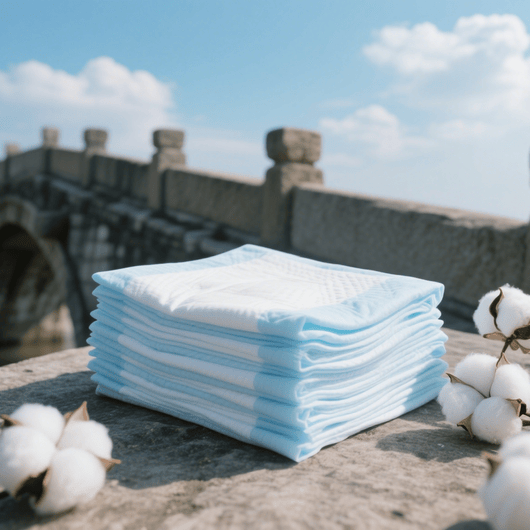
Grease Lifting Kitchen Cleaning Fabric: This fabric uses wood pulp’s exceptional oil and water absorption to tackle tough kitchen grease. Unlike synthetic sponges that spread grease, the wood pulp fibers trap oil, while a reinforcing layer (like PP) ensures the fabric doesn’t fall apart when wet. It’s biodegradable, too—so when you’re done with it, it breaks down, unlike plastic scrubbers.
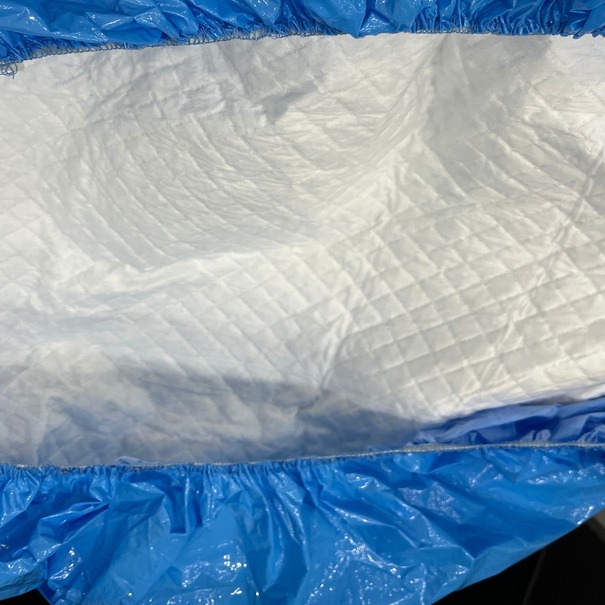
Wood Pulp PP Blend Double Layer Spunlace Nonwoven: The “spunlace” process (using high-pressure water jets to bond fibers) combines a wood pulp layer (for absorption) with a PP layer (for strength) in a double-layer design. This material is used in everything from baby wipes to industrial cleaners, as it balances softness (from pulp) and durability (from PP)—a direct result of pulp wood’s adaptability.
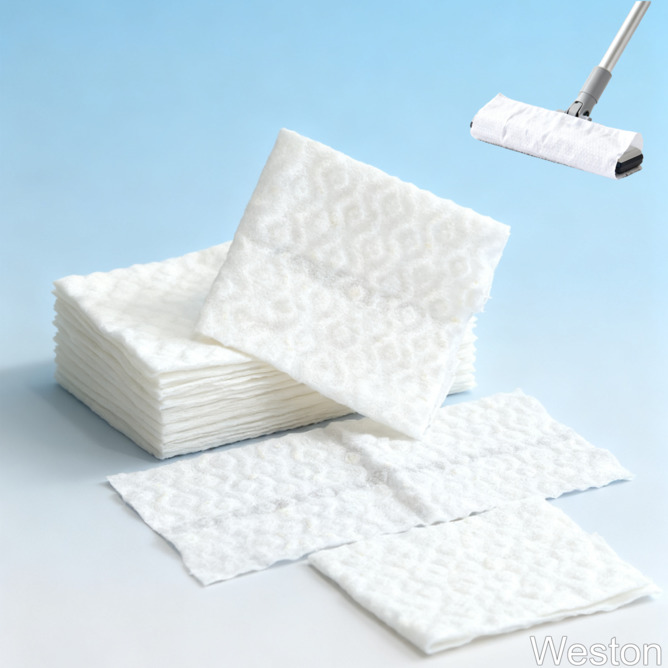
Cellulose Based Spunlace Printer Cleaning Wipes: Cellulose (the main component of pulp wood) is naturally soft and lint-free—perfect for cleaning delicate printer parts. These wipes use refined hardwood pulp to gently remove ink and dust without scratching sensitive surfaces, proving that pulp wood’s fine fibers are as valuable as its strong ones.
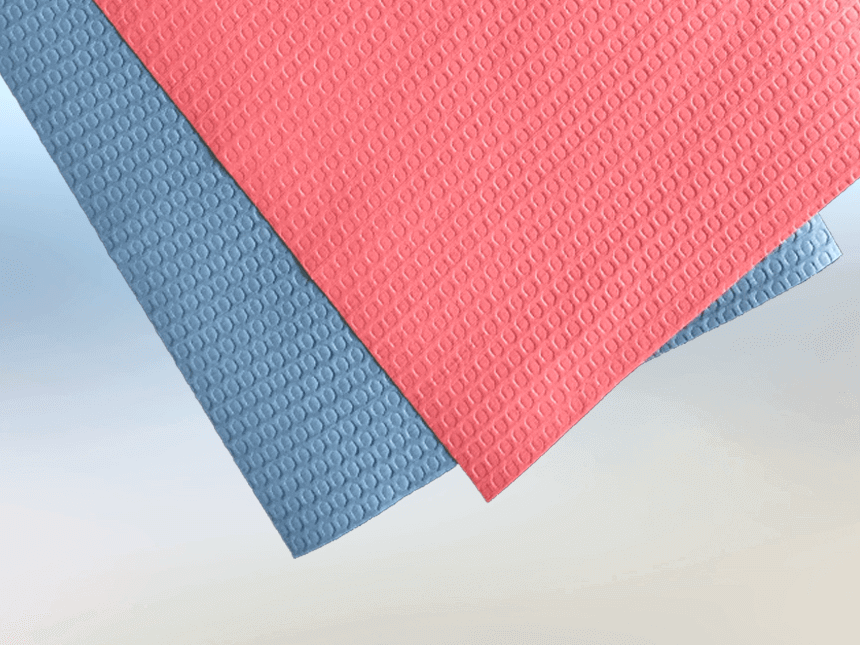
Hexagonal Honeycomb Patterned Spunlace Industrial Cleaning Fabric: The hexagonal honeycomb pattern adds structural strength, but the real star is the wood pulp fiber. It absorbs large volumes of oil or coolant in factories, while the pattern ensures the fabric retains its shape even under heavy use. This product shows how pulp wood can be paired with design innovation to solve industrial problems.
These products are not just “Weston’s offerings”—they are examples of how pulp wood’s meaning has evolved. It is no longer just a raw material for paper; it is a key ingredient in sustainable, high-performance products that make daily life and industry more efficient.
Sustainability in Pulp Wood Sourcing: Balancing Demand and Ecology
The future of pulp wood depends on sustainability—and this is central to its modern meaning. As demand for pulp-based products grows (from nonwovens to biodegradable packaging), the industry must ensure pulp wood is sourced without destroying ecosystems. Here’s how this balance is achieved:
Sustainable forestry: Responsible mills source pulp wood from forests where trees are replanted at the same rate they are harvested. Some plantations use fast-growing species (like eucalyptus) that mature in 7–10 years, reducing pressure on old-growth forests.
Waste reduction: Almost every part of the tree is used: logs become pulp, bark is turned into biomass fuel, and sawdust is used in composite materials. This “zero-waste” approach makes pulp wood production more efficient.
Eco-friendly processing: Modern pulping uses less water and energy than ever before. For example, some mills use biogas (from wood waste) to power machinery, cutting carbon emissions by up to 30%.
Circularity: Products made from pulp wood (like Weston’s cleaning wipes) can be composted, turning back into soil. Even paper products can be recycled into new pulp, reducing the need for fresh pulp wood.
Weston Manufacturing aligns with this sustainability vision by using pulp from responsibly sourced forests in its nonwoven products. This ensures that when you use a Grease Lifting Kitchen Cleaning Fabric or Cellulose Based Spunlace Printer Cleaning Wipes, you’re not just using an effective product—you’re supporting a system that respects the planet.
Pulp wood’s meaning is more than a definition: it is a story of transformation—from tree to fiber, from paper to innovative nonwovens, from resource to sustainable solution. It is the quiet force behind products that make our lives cleaner, safer, and more eco-friendly. If you want to experience the power of high-quality pulp wood firsthand—whether for kitchen cleaning, industrial use, or precision tasks—reach out for a free sample via [email protected]. Discover how a simple resource like pulp wood can redefine what’s possible in everyday and industrial products.