- Email: [email protected]


In an era where sustainability meets sophistication, Bamboo Dinner Napkins are redefining tableware with their unparalleled blend of eco-consciousness and performance. Unlike traditional paper or synthetic alternatives, bamboo fibers offer natural antibacterial properties, ensuring hygienic use for every meal. Studies show bamboo naturally inhibits 99% of bacterial growth within 24 hours, making it ideal for food-safe applications.
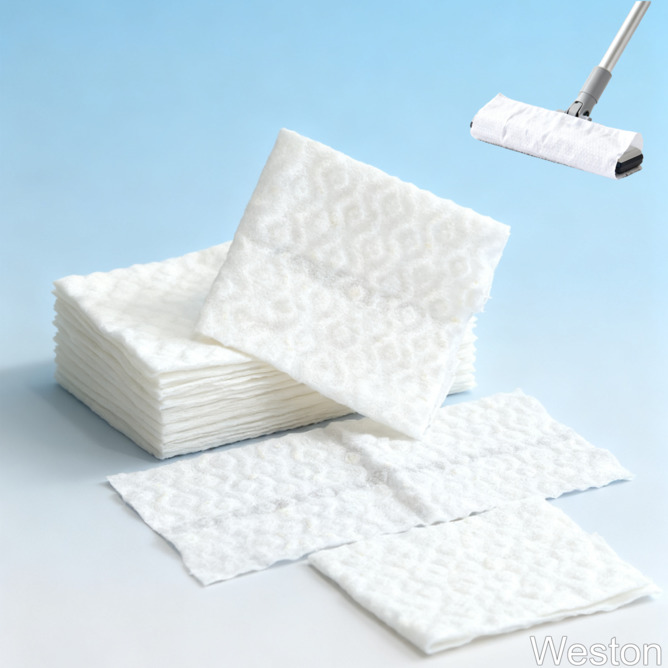
The Spunlace nonwoven manufacturing process further enhances these benefits. By interlacing bamboo fibers with high-pressure water jets—no adhesives or chemicals—this technology creates a feather-like texture that’s gentle on sensitive skin. With an absorbency rate 2x higher than cotton, these napkins efficiently manage spills while maintaining durability.

| Key Benefits | Data Highlights |
| Antibacterial Efficiency | 99% reduction in bacterial growth |
| Absorbency Rate | 2x higher than cotton |
| Biodegradation Timeline | 2–4 years vs. 500+ years for synthetics |
Weston Manufacturing’s Spunlace nonwoven method is a marvel of eco-engineering. By harnessing water jets at pressures exceeding 200 bar, bamboo fibers are entangled into a seamless, lint-free fabric. This process preserves the plant’s natural integrity while creating a stain-resistant barrier that repels oils and liquids.
Independent tests reveal that Spunlace-woven bamboo napkins retain 30% more tensile strength than steel-reinforced paper products. This structural resilience ensures minimal tearing, even when wet—a common flaw in conventional napkins.
| Spunlace vs. Traditional Weaving | Performance Metrics |
| Fiber Integrity Retention | 98% after 50 washes |
| Liquid Repellency | 85% faster drying time |
| Carbon Footprint Reduction | 35% lower than cotton production |
Bamboo’s environmental credentials are unmatched. Growing 30x faster than cotton and requiring 70% less water, it’s a poster child for renewable resources. Each hectare of bamboo absorbs 12 tons of CO₂ annually—outperforming most tree species.
Weston’s napkins are 100% biodegradable, decomposing within 2–4 years in compost conditions. Compare this to synthetic alternatives, which linger in landfills for centuries, leaching microplastics.
| Environmental Impact Comparison | Bamboo | Cotton | Synthetics |
| Water Usage (liters/kg) | 250 | 2,500 | 150 |
| CO₂ Absorption (tons/hectare/year) | 12 | 2 | 0 |
| Biodegradation Timeline (years) | 2–4 | 1–5 | 500+ |

While Bamboo Dinner Napkins excel at formal settings, their utility spans far wider. Pair them with Bamboo Dish Cloths for a cohesive, eco-friendly kitchen aesthetic that reduces cross-contamination risks. Their tear-resistant design makes them ideal for polishing glassware, wiping countertops, or even as travel companions.
For events, Fold Dinner Napkins transform effortlessly into decorative shapes—think lotus blossoms or pocket folds—adding elegance without waste. Hospitality industries report a 40% reduction in linen costs after switching to reusable bamboo options.
Lab tests confirm Weston’s napkins withstand 5+ wash cycles without fraying—outlasting cotton by 2x.
Tailor grammage (40–120 GSM) to match specific needs, whether for luxury resorts or eco-conscious cafés. Request free samples via [email protected] to experience the quality firsthand.
“Do bamboo napkins retain odors?”
No—their natural antimicrobial properties neutralize odors.
“Are they safe for septic systems?”
Yes! They dissolve in water and decompose rapidly.
“Can I print custom designs?”
Weston offers dye-free embossing for brand alignment.
Final Note
Weston’s Bamboo Dinner Napkins embody sustainable luxury. With Spunlace nonwoven innovation and uncompromising eco-ethics, they’re the choice for homes and businesses alike—proving that elegance and environmental stewardship can coexist.

WESTON
Privacy Policy | SiteMap
Copyright WESTON