- Email: [email protected]


Wood pulp, the cornerstone of countless everyday products, is a deceptively simple yet profoundly versatile material. At its core, wood pulp is composed predominantly of cellulose fibers derived from trees. These fibers form the structural skeleton of plant cell walls, giving wood its tensile strength and rigidity. When extracted and processed, cellulose becomes an indispensable raw ingredient in industries ranging from paper and textiles to advanced nonwoven fabrics. Understanding the chemistry, production methods, and applications of wood pulp illuminates the vital role it plays in sustainable manufacturing and high-performance materials.

Wood is primarily made up of three major polymers: cellulose, hemicellulose, and lignin.
Cellulose is a linear polysaccharide consisting of D-glucose units linked by β(1→4) glycosidic bonds. Its high molecular weight and crystalline regions contribute to fiber strength and resistance to chemical attack. Hemicellulose, a heterogeneous group of short-chain polysaccharides, surrounds cellulose fibrils and imparts flexibility, while lignin—a complex aromatic polymer—binds fibers together, providing rigidity and hydrophobicity.
The goal of pulping is to separate cellulose fibers from lignin and hemicellulose. Two primary methods accomplish this:
Mechanical Pulping
In this energy-intensive process, logs are ground against stones or refiners under heat and pressure. Mechanical pulp retains most lignin, resulting in high yield but lower brightness and reduced durability. Typical applications include newsprint and lower-grade paper products.
Chemical Pulping
Chemical pulping uses chemical solutions (e.g., kraft or sulfite processes) to dissolve lignin and hemicellulose, leaving nearly pure cellulose. The kraft process—employing sodium hydroxide and sodium sulfide—yields strong fibers ideal for high-quality paper and specialty papers. Chemical pulps boast superior strength, brightness, and longevity.
Variations and hybrid approaches (e.g., thermo-mechanical pulping) strike a balance between yield, energy use, and fiber quality.
Once produced, wood pulp undergoes bleaching, refining, and forming steps:
This sequence yields paper grades from ultra-thin tissue to heavy board. However, the potential of wood pulp extends far beyond traditional paper.
Nonwoven technologies harness wood pulp in innovative ways. Spunlace and airlaid processes meld cellulose fibers with synthetics or natural polymers to create fabrics tailored for hygiene, medical, and industrial applications.
Hydroentanglement jets high-pressure water through a web of fibers, interlacing them into a cohesive fabric without binders. When spunlace combines wood pulp with biopolymers such as polylactic acid (PLA), the result is a Flushable Plant Based Spunlace Nonwoven Fabric boasting softness, strength, and biodegradability. Such fabrics serve as flushable wipes and disposable hygiene products, offering a greener alternative to synthetic-laden options.
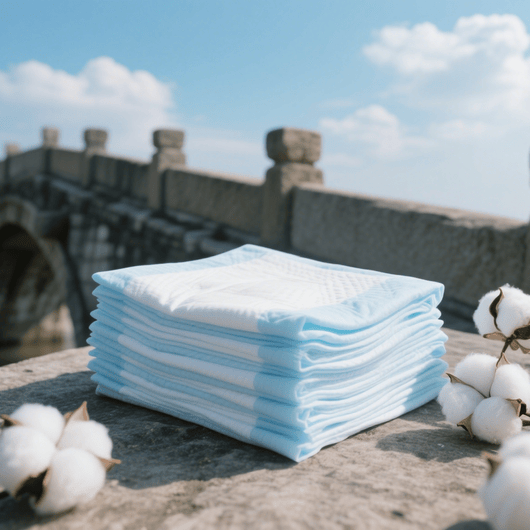
Airlaid processes disperse cellulose fibers in an air stream before forming a web; wetlaid mimics papermaking but integrates staple fibers like polyester for reinforcement. A standout example is the Lightweight Wood Pulp PP Core Sheet for Sanitary Products, where wood pulp fibers form the absorbent core, while polypropylene fibers impart structural integrity. This composite delivers high absorbency, comfort, and reliable performance in sanitary napkins and incontinence pads.

The rise of wood pulp–based materials is driven by several compelling advantages:
Despite its virtues, wood pulp presents challenges:
Wood pulp–derived materials fulfill critical roles across industries:
The wood pulp sector continually evolves, driven by environmental imperatives and technological advances:

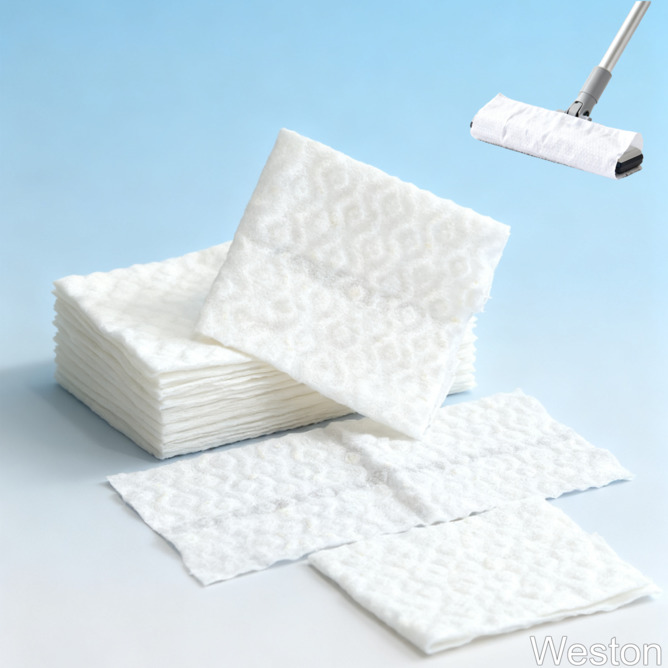
Weston Manufacturing’s expertise in nonwoven production harnesses these technological trends. Combining high-quality wood pulp with advanced manufacturing, the company offers customizable solutions such as High Performance Industrial Degreaser Wipes, featuring robust pulp-based substrates engineered for maximal cleaning efficiency. Their Lightweight Wood Pulp PP Core Sheet for Sanitary Products demonstrates superior absorption and comfort, while Flushable Plant Based Spunlace Nonwoven Fabric provides an eco-friendly flushable wipe solution with uncompromised strength.
For professionals seeking free samples, reach out to [email protected] to explore these innovations firsthand.
As global demand for sustainable materials intensifies, wood pulp remains at the forefront of eco-innovations. Enhanced pulping chemistries, greener bleaching techniques, and modular nonwoven lines will continue to expand the capabilities of cellulose-based products. From high-performance industrial wipes to flushable hygiene fabrics, the marriage of wood pulp’s inherent properties and cutting-edge manufacturing ensures a vibrant future in which renewable, biodegradable materials deliver both functionality and environmental stewardship.
The journey of wood pulp—from towering forests to advanced nonwoven fabrics—embodies the synergy of nature, chemistry, and engineering. By understanding its fundamental ingredient, industries worldwide can leverage this timeless resource to craft materials that excel in performance while treading lightly on the planet.

WESTON
Privacy Policy | SiteMap
Copyright WESTON